
Poverty in Bali Rises Slightly; Cigarettes Remain Second-Largest Expenditure
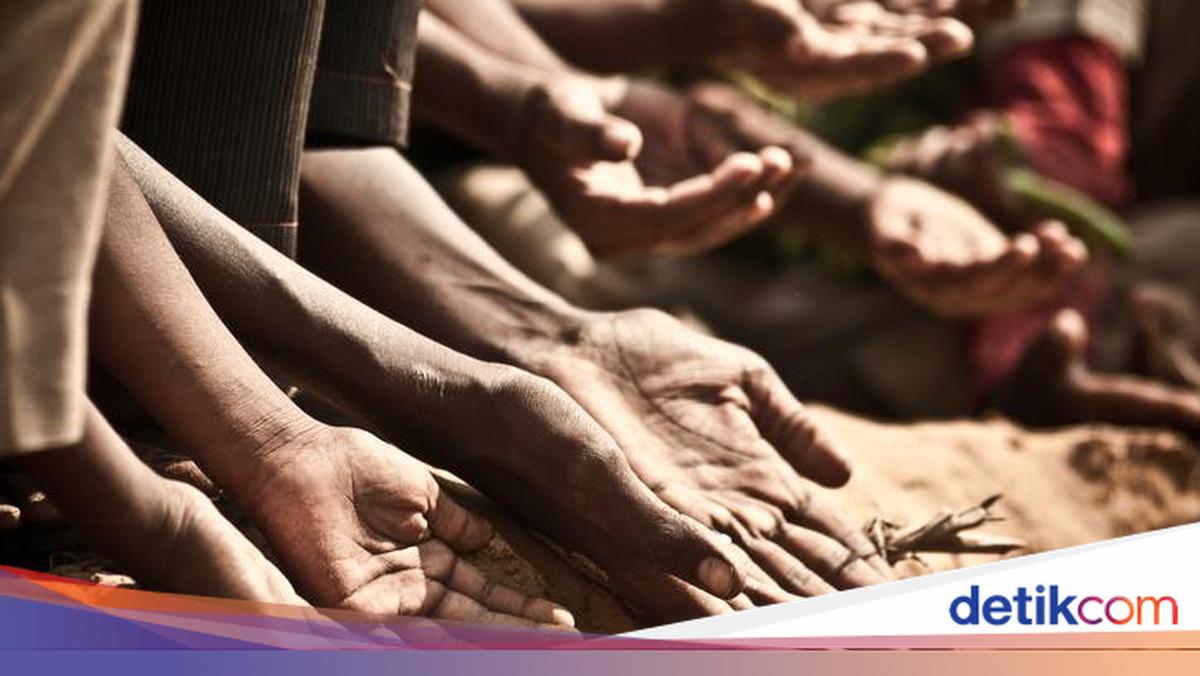
Poverty in Bali increased in March 2026. At the same time, cigarettes remain the second-largest commodity contributing to the poverty line after rice, indicating the significant portion of spending by the poor on tobacco.
Statistics Indonesia (BPS) for Bali Province recorded that the percentage of poor people in March 2026 reached 3.44%, an increase of 0.02 points compared to September 2025, which was 3.42%. The number of poor people in Bali reached 162,010 in March 2026. This figure increased by approximately 1,920 people compared to September 2025, which totalled 160,090 people.
Head of BPS Bali, Agus Gede Hendrayana Hermawan, explained that the rise in the poverty rate was influenced by differing economic conditions compared to September 2025. “Tourism conditions in September are indeed at their peak, while in March they decline slightly because the beginning of the year is usually low season. Furthermore, rice production in September is also much higher compared to the first quarter, along with several other factors,” he stated on Wednesday (5/8/2026).
Nevertheless, Agus emphasised that Bali remains the province with the lowest poverty rate in Indonesia. Bali’s poverty rate is also significantly lower than the national poverty rate, which reached 8.07%. “When compared to other provinces in Indonesia, Bali is still the province with the lowest poverty rate. It is far below the national poverty rate,” he said.
BPS noted that food commodities are still the largest contributor to the poverty line in Bali, accounting for 69.17%. Meanwhile, non-food commodities contributed 30.83%. Agus said that cigarettes remain one of the commodities with the largest share of expenditure among the poor in Bali. “Cigarettes are an item consumed by many poor people,” he added.
In urban areas, rice is the largest contributor to the poverty line with a share of 21.74%, followed by filtered clove cigarettes at 7.09%. In rural areas, rice contributes 26.80%, while filtered clove cigarettes are in second place with a share of 5.95%. “According to the survey results, one of their major expenses is actually buying cigarettes. Cigarettes are more expensive than rice, costing Rp 20,000, Rp 30,000, or Rp 40,000,” he added. Agus hopes that cigarette consumption among the poor can be reduced as it burdens household spending.