
Potato Leaves Can Detect Hidden Pollution Missed by Soil Tests
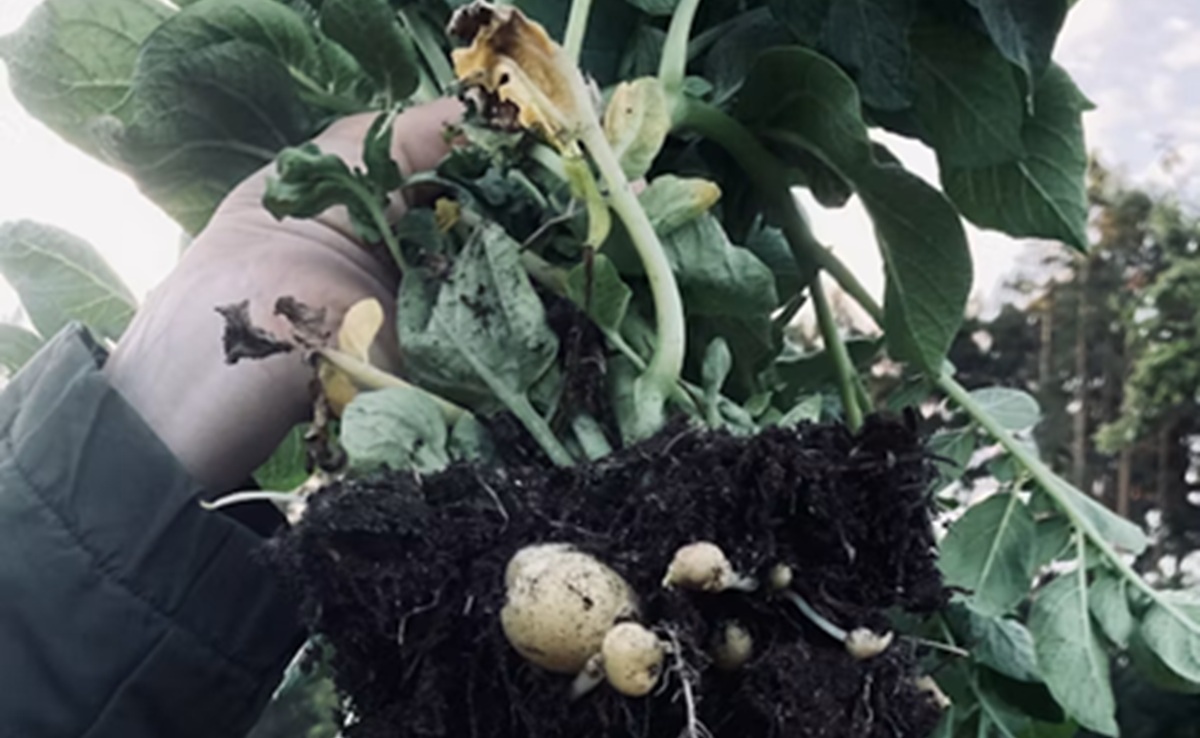
For a long time, scientists have relied on soil samples to measure environmental pollution levels in agricultural areas. However, a recent study has revealed a surprising method. Recent air pollution from ‘forever chemicals’ (PFAS) is actually more accurately detected through potato plant leaves, rather than the soil in which they grow.
The study, published in the Journal of Hazardous Materials, was conducted by researchers from the Hebrew University of Jerusalem, the Volcani Institute, and several Israeli research institutions. They took samples from farmlands in southern Israel located near active conflict zones. The researchers aimed to determine whether chemicals from modern ammunition could contaminate surrounding food crops.
The results showed a stark contrast between what is stored in the soil and what is absorbed by the plants. Soil samples generally only recorded traces of long-term pollution, such as residues from the past use of treated wastewater or compost fertilisers.
In contrast, the potato leaves contained an entirely different chemical fingerprint. The leaves detected concentrations of short-chain PFAS compounds, specifically a compound known as perfluorobutanoic acid (PFBA). This light compound is known to be highly mobile and capable of spreading through the Earth’s atmosphere.
At several locations, the concentration of PFBA in potato leaves was recorded to be hundreds of times higher than the levels measured in the soil beneath them. This significant discrepancy proves that the pollution adheres directly from the air to the leaf surface, rather than being absorbed through the roots in the soil. Consequently, conventional soil testing often misses fresh atmospheric pollution that has recently occurred.
While this may sound concerning, the researchers shared good news for consumers. The ‘forever chemicals’ accumulating in the leaves appear to hardly reach the potato tubers growing in the ground. The concentration of chemicals in the part of the potato we typically eat remains well within very low and safe limits.
This research recommends a change in how scientists monitor environmental pollution, particularly in vulnerable regions such as war zones or industrial areas. Combining soil sample testing with vegetation monitoring is seen as the best solution.
“Our findings show that vegetation can provide unique information regarding ongoing environmental processes and can serve as an effective indicator for recent air contamination,” the researchers stated in their study report. Through this unique capability of potato leaves, researchers can now capture recent pollution events before the chemicals are absorbed and masked by the soil over time.
Source: jawawa.id (https://jawawa.id/newsitem/potato-leaves-can-detect-hidden-pollution-missed-by-soil-tests-1781664664)
Originally published by Media Indonesia (https://mediaindonesia.com/humaniora/901243/daun-kentang-mampu-deteksi-polusi-tersembunyi-yang-luput-dari-uji-tanah), translated from Indonesian