
Post-Eid WFH Policy to Boost Efficiency and New Work Culture
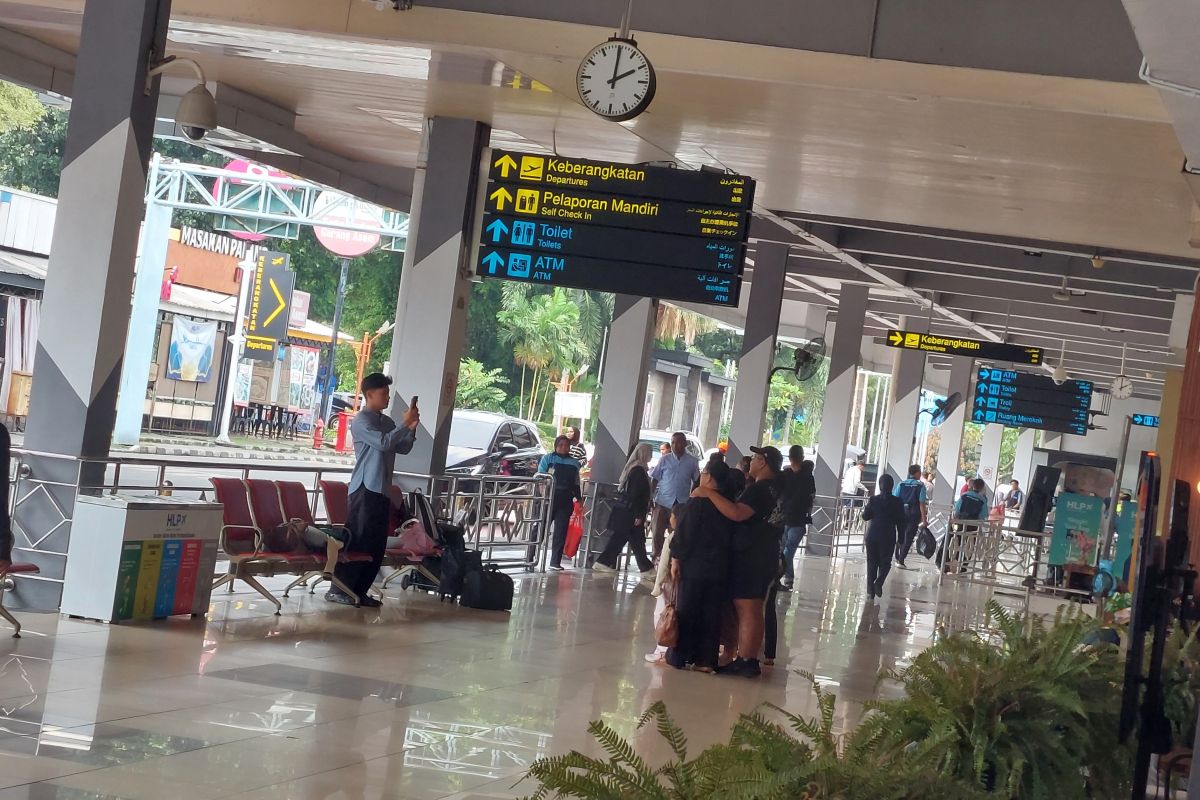
Jakarta (ANTARA) - Several passengers arriving at Halim High-Speed Rail Station and Halim Perdanakusuma Airport in Jakarta have positively welcomed the government’s plan to implement a work-from-home (WFH) policy after Eid al-Fitr 2026.
The policy, which is planned to apply to civil servants (ASN) and is recommended for the private sector, is seen not only as reducing fuel consumption but also as driving a transformation in work culture towards a more efficient digital-based approach.
At Halim High-Speed Rail Station on Friday, a returnee from Bandung, Dimas Pratama (29), said he supports the policy because it is relevant to modern work patterns.
“After returning from the holidays and back to Jakarta, if there is WFH one day a week, I think it would be very helpful. We can remain productive without always having to go to the office, especially now that everything is digital,” Dimas told ANTARA.
A similar view was expressed by Nur Aisyah (35), a private sector employee from Surabaya, who was met at Halim Perdanakusuma Airport.
She believes WFH can reduce fatigue after the long return journey.
“Just arrived from Surabaya, it will definitely need adjustment again. If there is a WFH policy, it can serve as a transition period before returning to the normal work rhythm,” said Aisyah.
Aisyah hopes companies can adopt a flexible work system on an ongoing basis, not just in certain conditions, so that a balance between work and personal life can be maintained.
“If calculated, daily worker mobility does contribute significantly to fuel consumption. So this policy makes sense. Besides saving energy, it can also reduce congestion,” said Andi.
He hopes the implementation of WFH can be carried out in a measured manner while still maintaining the quality of public services, especially for agencies that deal directly with the public.
As is known, the government has assured that the WFH policy will be implemented after Eid, as an effort to save energy amid the rise in world oil prices.
Coordinating Minister for the Economy Airlangga Hartarto stated that this policy applies to ASN and is also recommended for the private sector.
“(The WFH) rules will be detailed. But after Eid, we will implement it. For ASN as well as recommendations for the private sector. But not for those working in public service sectors,” said Airlangga after Eid al-Fitr prayers in Jakarta on Saturday.