
Port Sterilisation Programme Begins Today in Gilimanuk to Kayangan
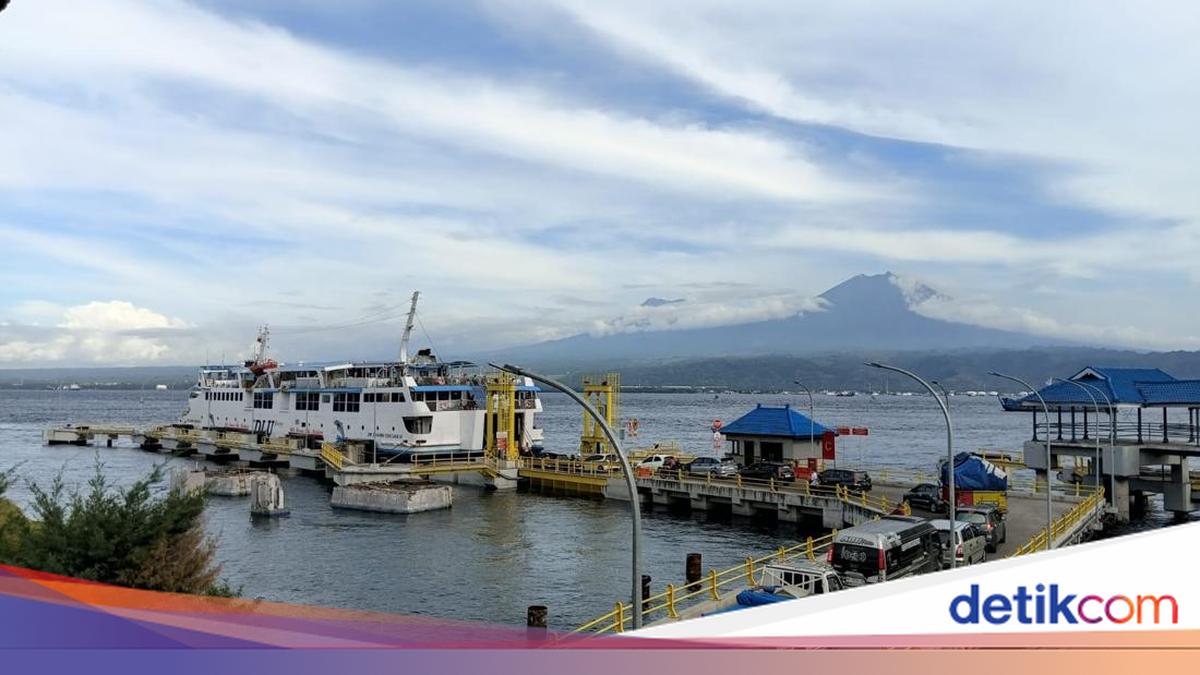
PT ASDP Indonesia Ferry (Persero) began implementing a sterilisation programme at six major ferry ports on Monday (20/7/2026). This policy is part of an effort to create safer, more orderly, and modern ports that meet international security standards. The port sterilisation is carried out as an implementation of Law Number 17 of 2008 on Shipping, Minister of Transportation Regulation Number 91 of 2021 on Ferry Port Area Zoning, and the International Ship and Port Facility Security (ISPS) Code. Director of Operations and Transformation at PT ASDP Indonesia Ferry (Persero), Rio Lasse, stated that the programme is part of a comprehensive transformation in port operational governance. Through this policy, every person, vehicle, and activity within the port area is expected to be identified, verified, and monitored optimally. ‘The support of Face Recognition (FR) technology, a digital registration system, a One Gate System, and zoning-based access control will strengthen the security of vital objects while increasing operational reliability and service quality,’ Rio said in an official statement on Sunday (19/7/2026). Prior to the policy’s implementation, ASDP, together with regulators, security forces, ship operators, local governments, and stakeholders, conducted socialisation and infrastructure improvements over the past two weeks as the final preparation stage. In its implementation, the port area is divided into three zones based on access and security levels. Zone 3 is a vital area (restricted area) that can only be entered by authorised personnel. Zone 2 is designated for passengers and vehicles that already have tickets, while Zone 1 is an open area that includes public facilities and commercial areas. This zoning arrangement aims to minimise the risk of accidents, crime, smuggling, and security disturbances while ensuring the accuracy of passenger manifest data. As part of the sterilisation implementation, a number of parties are not permitted to enter Zone 2 or Zone 3. These include service users who do not yet have a ticket, touts, unlicensed hawkers, parties carrying dangerous goods without permission, officers outside their authority, and vendors or contractors who have not used personal protective equipment (PPE) or reported their work activities to the port manager. At Merak and Bakauheni, ASDP and stakeholders have strengthened joint patrols, area arrangement, installation of signs and socialisation media, vehicle lane management, FR-based access data collection, and strengthening of the surveillance system through CCTV and digital technology to ensure effective implementation from day one. Corporate Secretary of PT ASDP Indonesia Ferry (Persero), Windy Andale, affirmed that this transformation prioritises a collaborative and humanist approach. Area arrangement is carried out with local governments so that communities who have been active in the port still have organised business spaces in Zone 1. ‘Sterilisation is not to limit community activities, but to build a new culture that prioritises safety, security, discipline, and excellent service,’ Windy said. The six ports implementing the policy include Merak Port (Banten), Bakauheni Port (Lampung), Ketapang Port (Banyuwangi), Gilimanuk Port (Bali), Kayangan Port (East Lombok), and Lembar Port (West Lombok).