
Porsche produces EV battery cells using recycled cathode materials
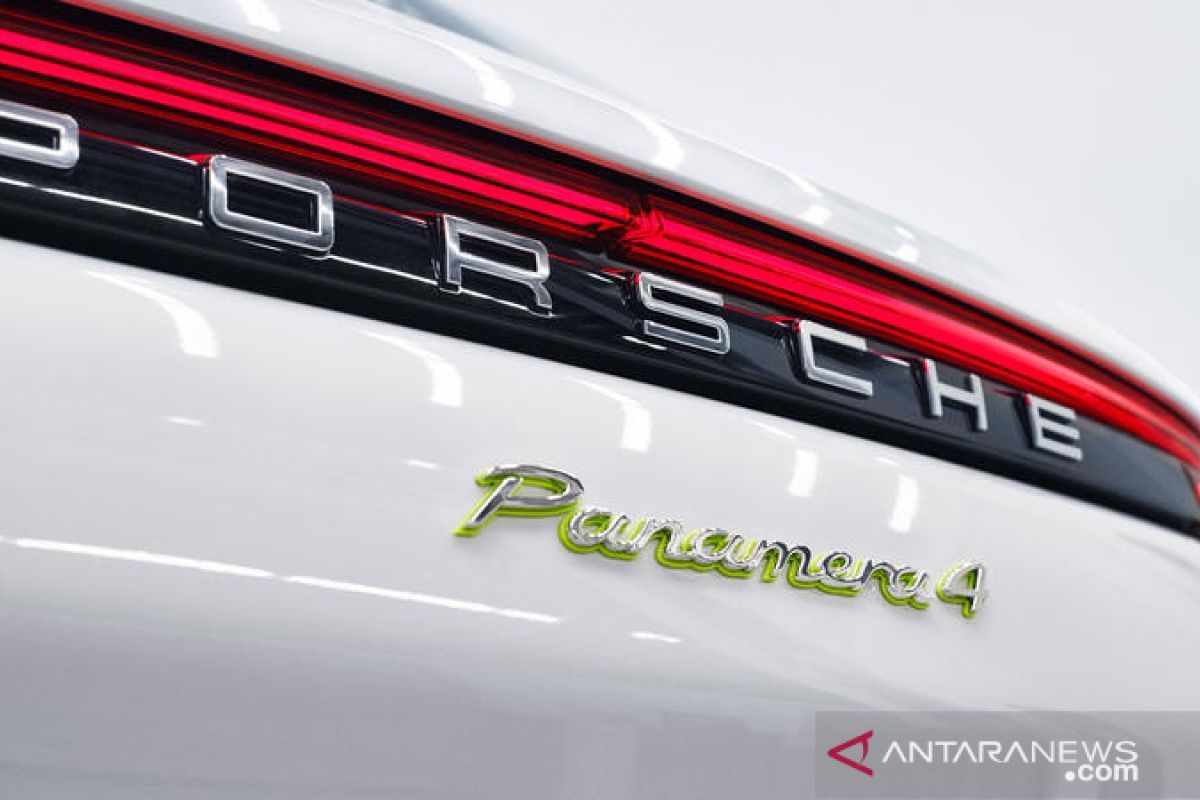
Porsche is producing electric vehicle (EV) battery cells with cathode materials sourced entirely from recycled lithium, nickel, cobalt, and manganese.
As reported by Motor1 on Thursday (17/9) local time, these battery cells are produced through a pilot line operated in collaboration with Cylib, a German recycling specialist, and are currently undergoing operational testing.
Porsche has described the production of these battery cells as a technological milestone, as the use of recycled materials becomes increasingly vital to the company’s battery development plans.
The pilot project for recycling Porsche’s high-voltage batteries, conducted with Cylib, was launched in 2025 and has progressed beyond the laboratory experimentation stage.
These batteries are no longer merely stored or shipped to recover basic materials.
“With battery cells made entirely from recycled raw materials such as lithium and cobalt, we have achieved an important technological milestone,” said Joachim Scharnagl, Porsche Executive Board Member responsible for Procurement.
Every gram of recovered material is recorded through a system the company refers to as a dedicated material account. This system is used to track recycled lithium, nickel, cobalt, and manganese separately.
Cylib Co-CEO Dr. Lilian Schwich stated that the partnership encompasses the entire recycling process, from batteries that have reached the end of their lifespan to the recovered raw materials.
The challenge in this process lies not only in extracting the metals but also in producing materials pure enough to be reused in cathode production.
Porsche has stated that the recovered raw materials will be used to support the production of new battery cells starting from 2028.