
Pork Demand Surges 45% Ahead of Galungan, Prices Hit Rp 40,000 per kg
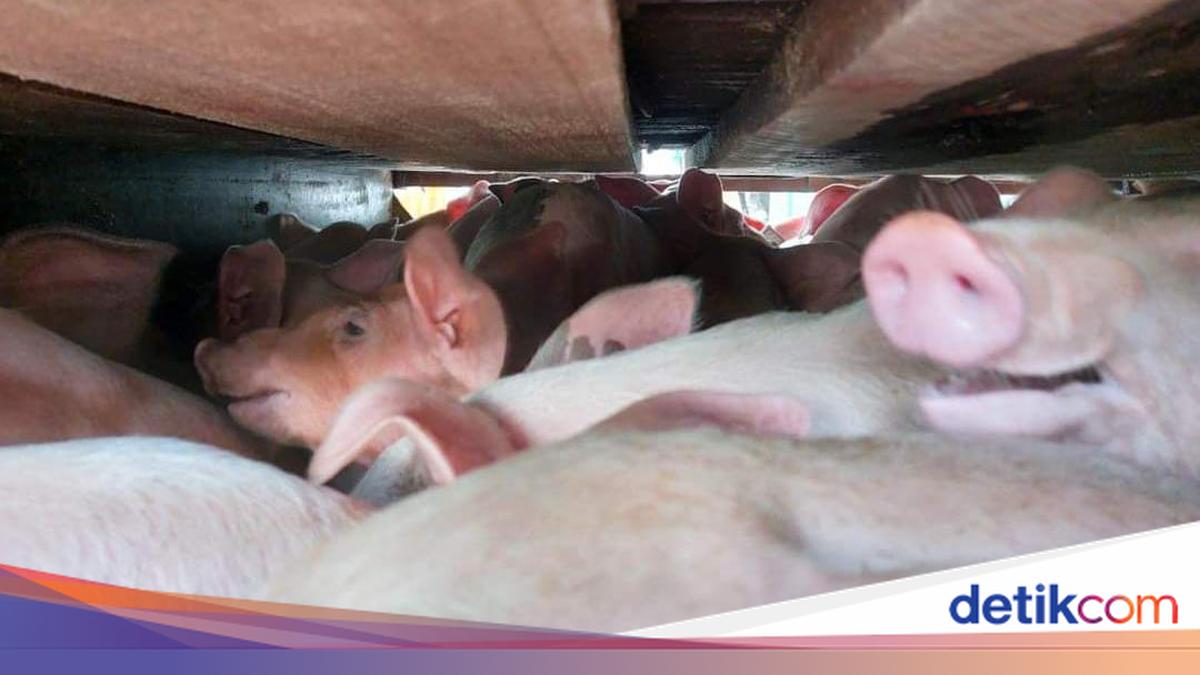
Demand for pork at several farms in Badung, Bali, has surged significantly by 45 percent ahead of the Galungan religious holiday. Despite the sharp increase in demand, the supply of pigs is confirmed to be sufficient to meet the community’s needs. “The demand is quite high, around 45 percent so far,” said pig farmer I Wayan Subandra at his farm in Ayunan Village, Abiansemal District, on Friday.
The surge in market demand has also driven up the price of live pigs at the local farm level. Currently, the price for good quality pigs has reached Rp 40,000 per kilogram. “Regarding the price, it is quite good now, sir. Live pigs are between Rp 38,000, Rp 39,000, up to Rp 40,000, depending on the class. Good quality ones are now Rp 40,000 for those weighing over 100 kilograms,” Subandra said.
This price increase is quite significant compared to the previous period. “Previously, it was around Rp 35,000 to Rp 37,000. Now it’s Rp 40,000 for good quality pigs weighing 100 kilograms or more,” he added. Subandra explained that his farm in Banjar Geria routinely supplies pork to long-standing customers in areas such as Pecatu, Kedonganan, Kerobokan, and even outside the regency to Buleleng and Tabanan.
Although current supply is secure, pig farmers across Bali remain haunted by the impact of population devastation caused by the African Swine Fever (ASF) virus. Many large and small-scale farmers have gone out of business because they are too afraid to restock pigs. Another farmer, Kadek Sulendra in Darmasaba, Badung, expressed concern over the potential re-emergence of ASF amidst the rising demand ahead of Galungan. He noted that farmers fear losses from having to slaughter infected pigs early, especially when adequate cold storage facilities for the meat are not guaranteed.
“Many farmers are not brave enough to raise pigs anymore, whether it’s 2, 10, 50, or even 100 pigs. Large farms have been destroyed. Fortunately, we have managed to survive,” Sulendra stated. To withstand the ASF virus, the farmer, who has been in business since the 1990s, has implemented modern farming technology and strict standard operating procedures for health. These biosecurity measures include using nutritious feed, genetically superior piglets, and regular spraying of disinfectant.
“We now have to raise pigs using nutritious feed and superior genetics, with housing that meets requirements. The health SOP must be very strict. We don’t allow just anyone to enter the pens because that could trigger the spread of the ASF virus,” he emphasised. Beyond the disease issue, Sulendra noted that pig farmers in Bali are also currently facing a rise in feed prices of up to 10 percent, triggered by soaring market prices for raw materials such as corn, soybeans, bran, and concentrate.