
Population Minister Designates 15 Regions as Demographic Bonus Capitalisation Models
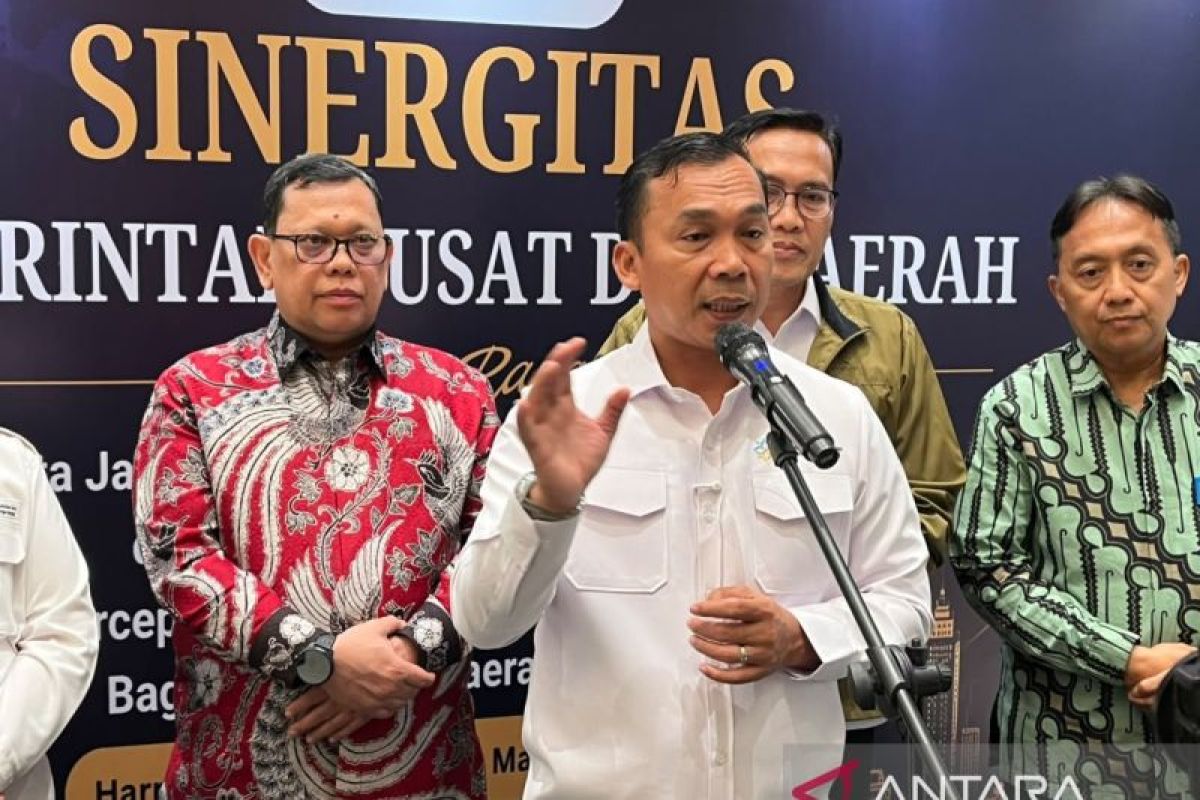
Bogor Regency (ANTARA) - Minister of Population and Family Development (Mendukbangga) and head of the BKKBN, Wihaji, has designated 15 regencies and cities as model areas for implementing the Population Development Roadmap (PJPK) to optimise the demographic bonus.
“Today we have invited 15 regencies and cities to foster synergy between the central government and regional governments on the PJPK programme, namely the Population Development Roadmap, which is part of the central government’s effort to ensure that each regency and city is better organised going forward,” said Wihaji in Cibinong, Bogor Regency, West Java, on Monday.
He explained that the 15 regions were selected as examples in implementing around 30 priority population development indicators that could later serve as references for other regions across Indonesia.
The regions comprise Balikpapan City, Padang City, Lima Puluh Kota Regency, South Tangerang City, Pandeglang Regency, Bandung City, Indramayu Regency, Sumedang Regency, Sragen Regency, Pekalongan City, Surabaya City, Kediri City, Lumajang Regency, Sidoarjo Regency, and Makassar City.
In addition to these 15 regencies and cities, the Nusantara Capital City (IKN) is also taking part in the five-day Central and Regional Government Synergy event on the PJPK, capitalising on the demographic bonus, and accelerating the prevention and reduction of stunting, held in Cibinong.
Wihaji said the PJPK is designed so that each regional government has a population development direction that matches the characteristics and conditions of the population in its respective area.
“For instance, if the population is a certain number, then the tasks to be carried out are A, B, C. That way, each regency and city can design its approach ever more effectively,” he said.
According to him, the implementation of these population development indicators is expected to raise the Human Development Index (HDI), reflected among other things in longer average years of schooling, higher life expectancy, and greater per capita income.
“If they work on those 30 indicators, then automatically their HDI will rise, life expectancy will rise, average years of schooling will rise, and the Family Development Index will also rise,” said Wihaji.
He emphasised that population development carries its own challenges because its results cannot be seen as directly as physical infrastructure development.
“What we are building, in inverted commas, is people, so that they become higher quality, healthier, and better educated. So one of the challenges is that we need to explain this comprehensively,” he said.
Beyond building understanding of the importance of population development over the medium and long term, Wihaji cited financing support as another challenge that must be addressed.
To that end, the Ministry of Population and Family Development is working with the Ministry of Finance and the Ministry of Home Affairs to support the implementation of the PJPK in the regions.
“We are also cooperating with the Ministry of Home Affairs to provide incentives to regional governments when they deliver the indicators we have submitted to them,” said Wihaji.
Source: jawawa.id (https://jawawa.id/newsitem/population-minister-designates-15-regions-as-demographic-bonus-capitalisation-models-1783950850)
Originally published by Antara (Indonesian) (https://www.antaranews.com/berita/5647744/mendukbangga-jadikan-15-daerah-model-kapitalisasi-bonus-demografi), translated from Indonesian