
Popular Apps Used by Indonesians Linked to Israeli Intelligence, Here's the List
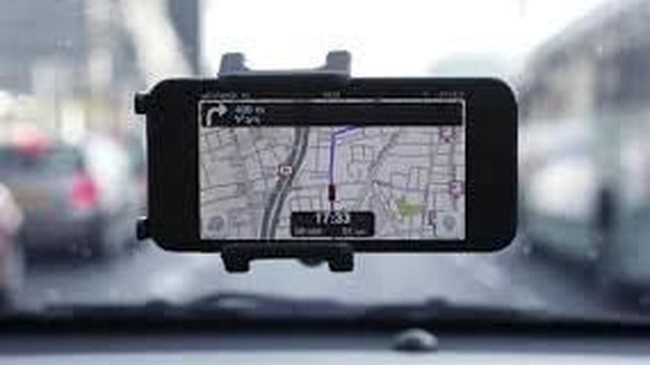
A number of popular applications installed on Android and iPhone devices in Indonesia have undisclosed ties to Israeli intelligence and cyber military networks. According to a TechTrends report, these apps have formed a multi-billion dollar industry, spanning categories from digital maps and photo editors to gaming and public transport reminder services. Some, like Waze and Moovit, are used extensively in daily activities by Indonesians.
However, the spotlight is not solely on their geographical origins but on motives and privacy concerns. Several of these applications are accused of secretly embedding adware, trackers, and engaging in aggressive, non-transparent collection of personal data.
Based on compiled data, the following is a list of popular, widely downloaded apps with close ties to former agents and military units of Israel:
Waze: Founded by a former engineer from Unit 8200, Israel’s elite cyber intelligence unit.
Moovit: Built by a former member of the Mamram military cyber unit.
Supersonic: The platform’s CEO previously led operations for the Israeli Army.
ZipoApps: Founded by a former intelligence agent from Unit 8200.
Bazaart: Created by a former intelligence official of the Israel Defense Forces (IDF).
Lightricks: One of its co-founders is reportedly still active in Unit 8200.
Playtika: A gaming company founded by the son of a former IDF chief of staff.
Crazy Labs: Its entire founding team is known to still be working for the IDF.
CallApp: The founder of this number-tracking platform served three years in Unit 8200.
Gett: A transportation service created by a former Unit 8200 official.
Fooducate: Founded by a former Israeli Air Force pilot.
Cybersecurity experts have observed a phenomenon where some applications unilaterally change their privacy policies after being acquired by Israeli tech companies, raising red flags about the digital security ecosystem. Companies like ZipoApps and Supersonic, for instance, frequently face harsh criticism for implementing predatory data collection practices and vague tracking models. Despite negative sentiment and security issues, downloads of these apps continue to skyrocket, driven by massive advertising spending and strategic partnerships with global platforms like Google and Facebook.
To anticipate potential data misuse, users are advised to take several mitigation steps: always verify the developer’s name on official stores like Google Play or Apple App Store before downloading; use professional platforms like LinkedIn or Crunchbase to research the company’s profile and track record; and prioritise applications developed by parties with a transparent commitment and ethical track record in managing user data.