
Pope Leo XIV Criticises AI for War and Profit, Silicon Valley Reacts
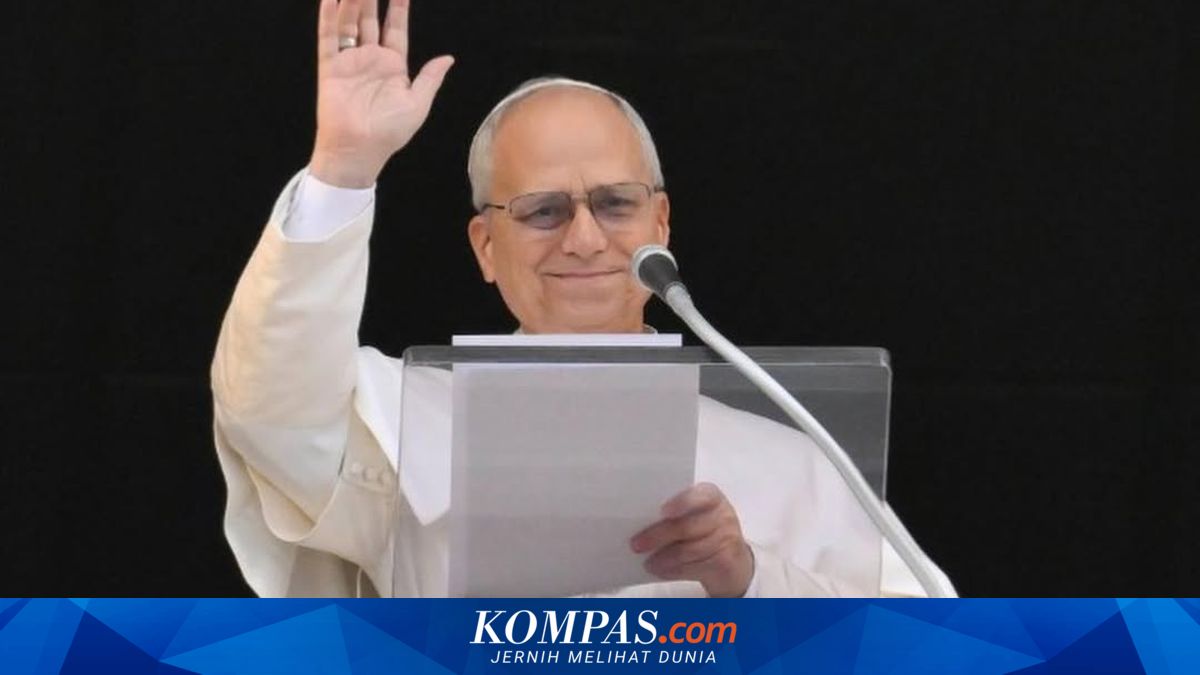
Pope Leo XIV has stated that artificial intelligence (AI) is the greatest challenge facing humanity today. The highest leader of the Catholic Church also called for strict regulation of AI and urged developers to prioritise human welfare over mere business profits. This was communicated through the Vatican’s official document titled “Magnifica Humanitas” or “Magnificent Humanity”, released on Monday (25 May 2026) local time. This marks Pope Leo XIV’s first encyclical since his election as leader of the Catholic Church. Unlike ordinary papal speeches or statements, an encyclical is one of the most important and highest-ranking official documents in the Catholic Church. The contents of an encyclical typically convey the Church’s official views, teachings, or stance on major global issues. Given that it is written directly by the Catholic Church’s leader, who oversees approximately 1.4 billion followers worldwide, encyclicals typically carry significant influence beyond the religious sphere, extending into politics, society, economy, and technology. In the “Magnificent Humanity” document, Pope Leo XIV identified AI as one of humanity’s greatest current challenges. He argued that AI development must not be solely controlled by business interests or technological corporate power struggles. Pope Leo XIV explicitly called for independent oversight, robust legal frameworks, and more active political involvement in regulating AI development. “Abstract ethical discussions are not enough. There is a need for strong legal frameworks, independent oversight, educated users, and a political system that does not shirk its responsibilities,” Pope Leo XIV wrote in the document. “AI must now be stripped of the logic that makes it a tool of domination, exclusion, and death,” the Pope stated during the document’s launch at the Vatican. Notably, amid the strong criticism of AI, several major tech companies have been actively approaching the Vatican in recent months. Politico reported that representatives from Meta, Google, Amazon, and OpenAI have been engaging in dialogue with Catholic Church officials ahead of the encyclical’s release.