
Pope Leo urges Europe and US to address migration with solidarity
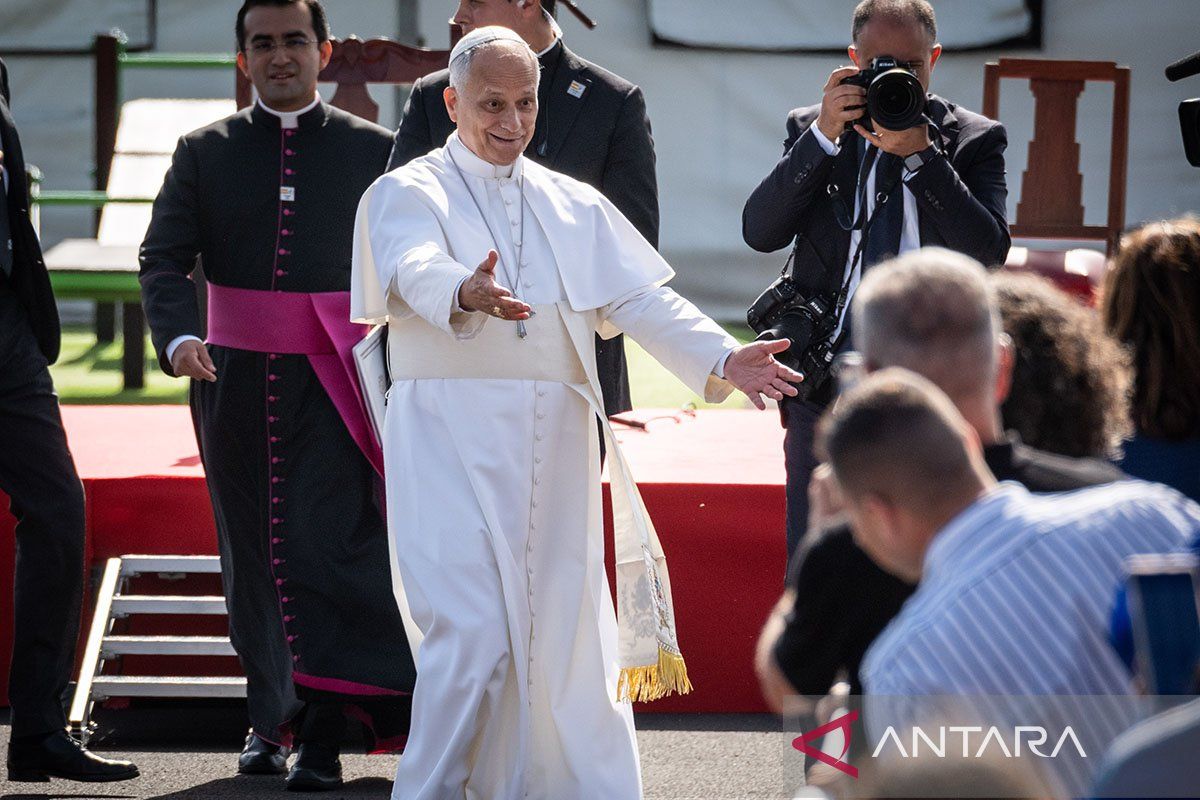
Pope Leo XIV visited the Mediterranean island of Lampedusa on Saturday, 4 July, to urge European and US leaders to respond to migration with solidarity rather than prevention. The first American Pope chose to visit on the 250th anniversary of US independence, travelling to an island synonymous with migrants risking their lives to reach Europe’s ‘gateway’. The symbolic visit reinforced a message he has repeated since becoming Pope: that migrants must be treated as people in need of protection, not primarily as a security challenge. The visit came less than a fortnight after the European Union approved new migration rules that expand detention powers and allow for deportation centres outside the bloc. It also followed months of criticism by Pope Leo of hardline immigration policies, including measures pursued by the administration of US President Donald Trump. By choosing to visit Europe’s migration frontier on American Independence Day, the Pope delivered one of the clearest political messages of his papacy, urging Western leaders to place compassion and shared responsibility at the heart of migration policy. ‘From this remote corner of Europe in the Mediterranean Sea, we can more clearly understand the great challenges that the phenomenon of migration poses for European societies,’ he told residents and pilgrims gathered on the island. He insisted, however, that Europe is capable of addressing the issue through policies that ‘welcome, protect, support and integrate migrants’ while also helping countries of origin ‘so that no one is forced to emigrate’. The day-long visit also marked a significant moment in the papacy of Leo’s predecessor, Pope Francis. In 2013, Francis chose Lampedusa for his first trip outside Rome, drawing global attention to migrants crossing the Mediterranean. By retracing much of that journey, Leo underscored the continuity between the two Popes’ stances on migration. Leo began by praying at the tomb of migrants who died attempting to cross from North Africa. He then stood facing the sea that separates Africa and Europe, one of the world’s deadliest migration routes, before visiting the ‘Gateway to Europe’ monument and meeting a migrant family. During an outdoor Mass, the head of the worldwide Catholic Church compared migrants to the wounded traveller in the Gospel parable of the Good Samaritan. ‘Here, you have seen not just one, but thousands of human beings fall into the hands of robbers who have taken everything from them, beaten them brutally and simply left, abandoning them half dead,’ he said. Pope Leo then paid tribute to those who died at sea, saying their presence challenges Europe’s conscience no less than those who survive the journey. Lampedusa, about 145 kilometres from Tunisia, has long been a focal point of Europe’s migration debate. More than 14,000 migrants arrived in Italy during the first half of this year, according to the UN refugee agency, with nearly 60 per cent landing on the island. Most depart from Libya. Leo repeatedly thanked the people of Lampedusa for welcoming migrants and supporting rescue efforts, hailing their actions as a ‘miracle of mercy’. The timing and location of the visit amplified his political message. As governments across Europe and the US increasingly focus on border control, deportation and deterrence, Leo used one of the world’s most famous migration frontiers to champion a more humane approach.