
Pope Leo Condemns 'Tyranny' of War, Alludes to Exploitation in the Name of Religion
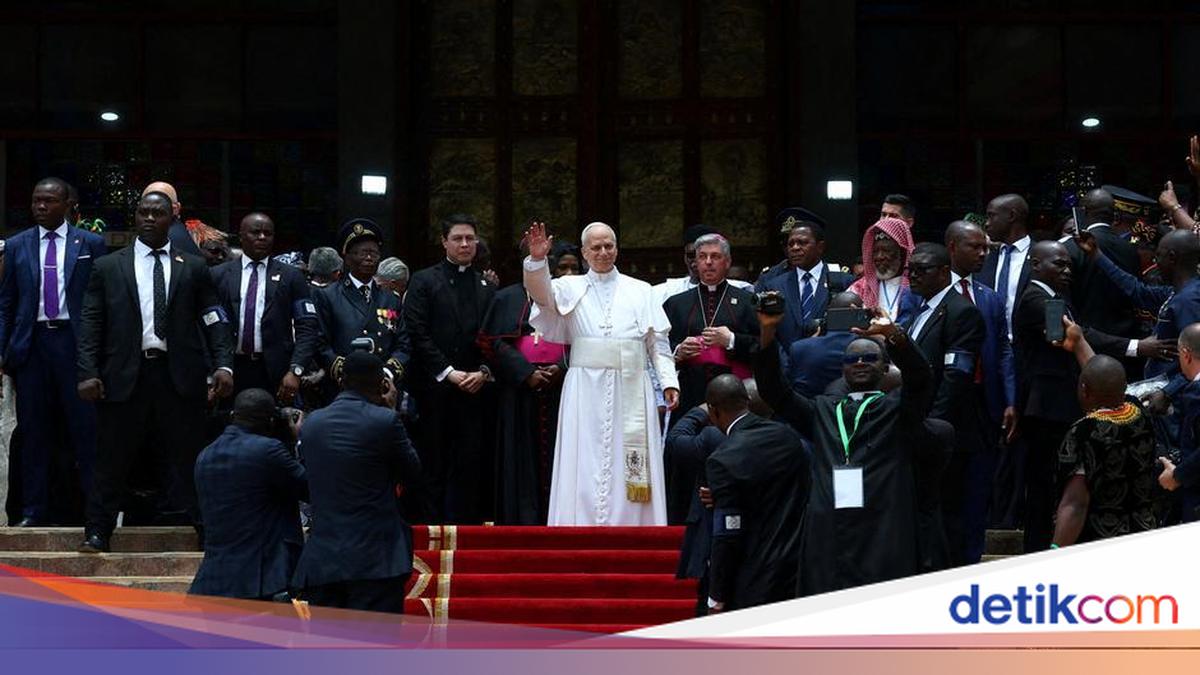
Amid his series of visits to Africa, Pope Leo XIV continues to demonstrate a firm stance against war. While in Cameroon on Thursday (16/04), the leader of the Roman Catholic Church reiterated his message of peace. He led an interfaith meeting aimed at dialogue in a region that has been plagued by conflict for nearly a decade. At Saint Joseph Cathedral in Bamenda, Leo launched a sharp critique against a “handful of tyrants” who spend billions of dollars to “destroy” the world through exploitation and war. That statement becomes even more relevant in light of US President Donald Trump, who has recently openly attacked the Pope over his criticisms of war, including US policy towards Iran. “Blessed are the peacemakers.” In the forum, which was also attended by the Mankon traditional leader, representatives from Protestant churches, Muslim imams, and Catholic nuns, Leo emphasised that the current world is being ruined by certain individuals, though it is still supported by the solidarity of many people. “Blessed are the peacemakers,” he said. “But woe to those who manipulate religion and the name of God for military, economic, and political interests. Dragging the sacred into darkness.” “This world is in chaos when God’s creation is exploited instead. This must be condemned and rejected by anyone with a conscience,” he stated. “Those who plunder natural resources invest most of their profits in weapons, thereby prolonging the cycle of violence and instability,” said Leo in Bamenda, the centre of conflict between the Cameroonian government and English-speaking separatist groups. That message is also seen as jabbing at narratives in the US, especially after Defence Secretary Pete Hegseth described operations in Iran as a “holy war.” Roots of the conflict in Cameroon The roots of the conflict in Cameroon can be traced back to the division of the territory between France and Britain after World War I. The country has large reserves of oil, natural gas, bauxite, cobalt, iron ore, gold, and diamonds. In 1961, English-speaking residents chose to join the French-dominated Cameroon. Since then, they have voiced dissatisfaction over political and economic marginalisation in the country. In recent years, the two Anglophone regions of the country have been gripped by violence due to secessionist efforts. The conflict peaked when President Paul Biya—who has been in power since 1982—cracked down harshly on peaceful demonstrations by English-speaking residents in 2016. More than 6,000 civilians have been reported killed, and over 600,000 people have been displaced. Kidnappings and extortion have also become part of daily life in the region. The Archbishop of Bamenda, Andrew Nkea Fuanya, told Pope Leo that the local community is suffering from a situation they did not create. “Today, you are stepping on the soil of Bamenda that has absorbed the blood of many of our children,” he said.