
Poor Air Quality Increases Lung Cancer Risk, Doctors Explain
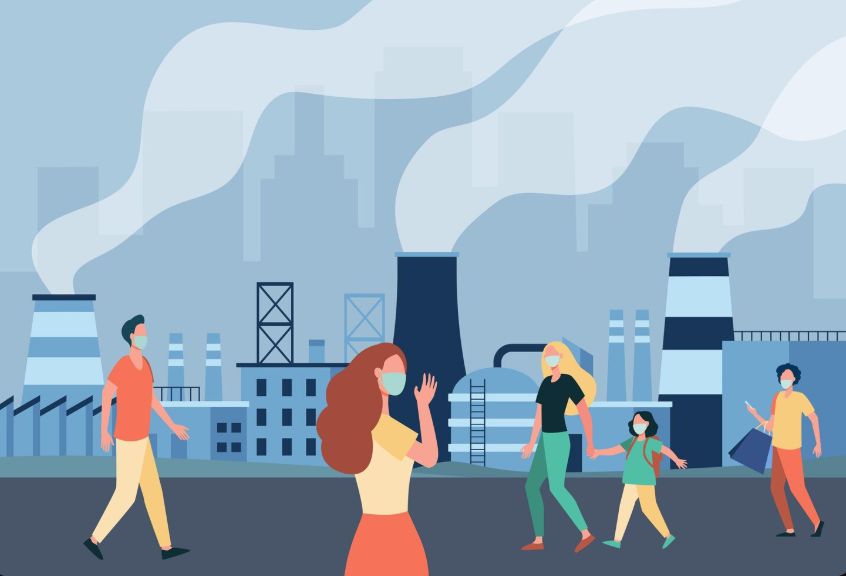
Poor air quality resulting from environmental pollution has become a serious threat to public health. Medical experts warn that long-term exposure to polluted air does not only cause mild respiratory disturbances but also significantly increases the risk of fatal diseases, including lung cancer.
Dr Linda Masniari, a Pulmonologist and Thoracic Oncology Subspecialist at MRCCC Siloam Semanggi, emphasised that fine particles contained in dirty air, such as PM2.5, have the ability to penetrate deep into the respiratory system. These particles can trigger chronic inflammation and DNA damage in lung cells, which serves as the precursor to the growth of cancer cells.
Although smoking remains the primary risk factor, individuals who do not smoke but live in areas with high pollution levels still face significant vulnerability. This makes air quality an environmental risk factor that must be monitored collectively.
Continuous exposure to air pollution can lead to various health problems. To minimise risk, the public is advised to monitor the air quality index regularly. The use of medical masks or N95 standard masks when outdoors, the use of air purifiers indoors, and maintaining a healthy lifestyle can help reduce the adverse impacts of pollution on the lungs.
To date, specific data regarding the latest statistics related to this issue is still being updated by health authorities. The public is urged to continue following official guidelines from relevant medical institutions to obtain accurate health protection information.