
Polyworking Trend on the Rise: Youth Lifestyle or Sign of Insufficient Primary Income?
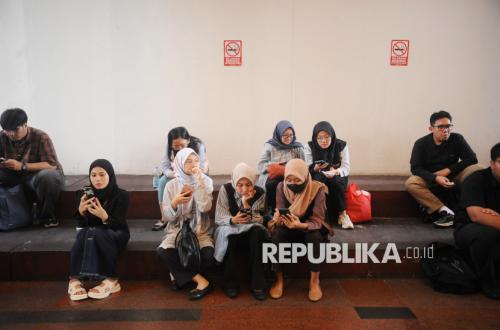
The phenomenon of polyworking is becoming increasingly common in Indonesia, particularly among the younger generation. A polyworker is someone who holds more than one job simultaneously. The growth of the digital economy, freelance platforms, and social media has opened opportunities for people to earn income from various sources. However, behind this trend, experts assess that the polyworker phenomenon is not merely a lifestyle change, but rather a reflection of a transformation in the labour market structure.
Economic and business expert and lecturer at Muhammadiyah University of Yogyakarta, Khalifany Ash Shidiqi, stated that the polyworker phenomenon can be understood through the perspective of labour economics. In economic literature, this practice is known as multiple jobholding, dual jobholding, or moonlighting. “In labour economic theory, this practice is actually nothing new. In literature, it is known as multiple jobholding, dual jobholding, or moonlighting. So, polyworking cannot only be seen as a youth trend, but is also related to income needs, career choices, and changes in the way people work,” Khalifany said in a written statement.
According to him, an individual’s decision to become a polyworker is influenced by various factors. Economic necessity remains the main reason, but many young workers also use additional jobs to broaden their experience, build a portfolio, develop skills, and open up new career opportunities. “Some people take a second job because their income from their primary job is not enough to meet living expenses. However, there are also those who make additional work an investment in experience, expanding their professional network, and opening career opportunities that are more in line with their interests,” he said.
Khalifany assessed that the increasing number of polyworkers shows that the structure of the labour market is continuously changing. The work model is no longer identical to permanent employment and conventional working hours. The presence of the digital economy allows people to work more easily as freelancers, content creators, online sellers, and digital platform-based workers. On the other hand, this phenomenon can also be an indicator that the quality of primary jobs is still not fully adequate. If someone has to seek additional work just to meet basic needs, this condition indicates that income from the primary job is not yet able to provide a decent living.
Based on processed results from the August 2024 National Labour Force Survey (Sakernas), around 19.29 million workers, or 13.34 per cent of the total workforce in Indonesia, have additional jobs. Interestingly, the largest proportion actually comes from the age group of 35 years and above, so this phenomenon does not only occur among Generation Z. “This data shows that polyworking is not just a young generation trend, but is also a household economic strategy across various age groups,” he said. He mentioned that 2025 data from the Central Statistics Agency (BPS) also shows that the quality of jobs in Indonesia still faces challenges. With an average labourer wage of around Rp3.33 million per month and millions of workers working more than 49 hours each week, some people choose to seek additional sources of income to maintain family economic stability.
Source: jawawa.id (https://jawawa.id/newsitem/polyworking-trend-on-the-rise-youth-lifestyle-or-sign-of-insufficient-primary-income-1783997528)
Originally published by Republika (https://ameera.republika.co.id/berita/ti5791425/tren-polyworking-meningkat-gaya-hidup-anak-muda-atau-tanda-gaji-utama-nggak-cukup), translated from Indonesian