
Polystyrene remains difficult to replace in industry
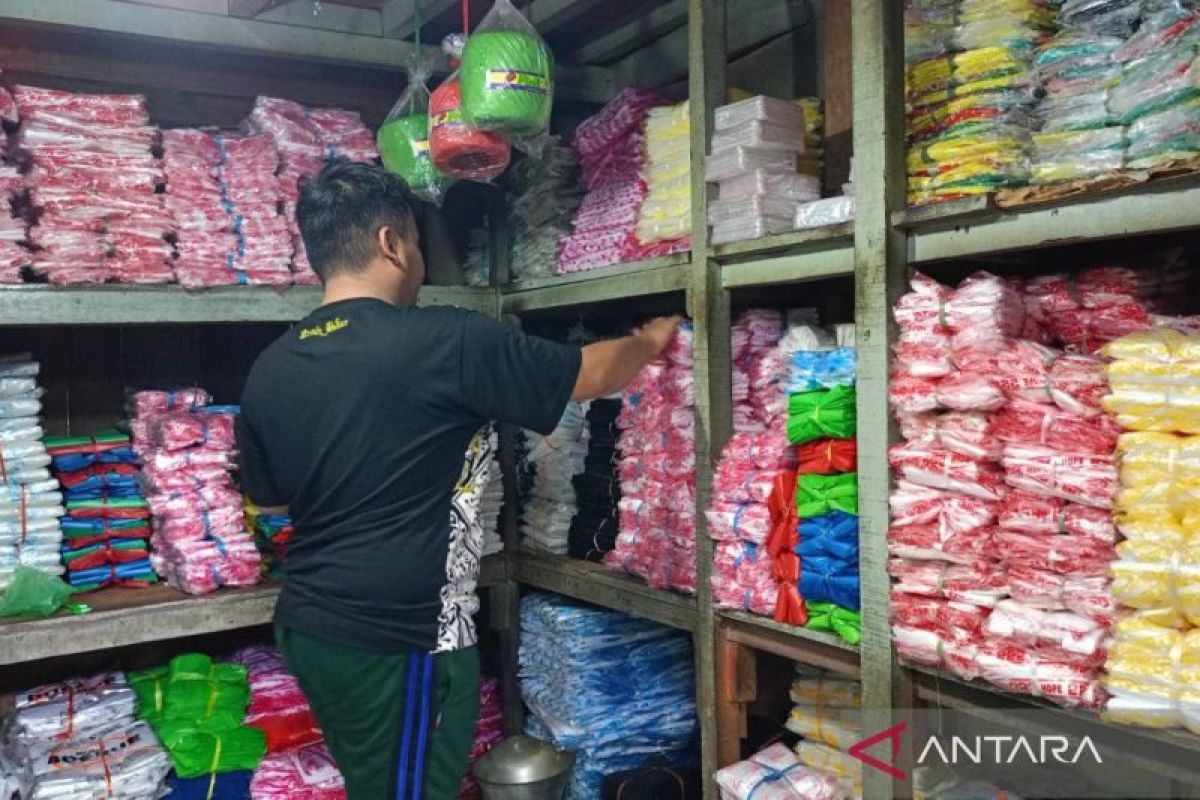
Jakarta (ANTARA) - President Director of PT Trinseo Materials Indonesia and Responsible Care Indonesia (RCI) Environment and Sustainability Director Hanggara Sukandar said recent price increases of plastics and polystyrene of over 50% in recent weeks demonstrate high societal and industrial dependence on the material across various sectors.
‘What’s notable is that when plastic and polystyrene prices rise, it immediately draws attention from many parties. This shows the material is still widely used and plays a vital role in daily life and industrial activities,’ Sukandar stated in Jakarta on Thursday.
He explained that the price hikes are influenced by a combination of global and domestic factors, including disruptions to oil and naphtha distribution from the Middle East due to geopolitical conflicts and a weakening rupiah nearing Rp18,000 per US dollar.
According to him, supply chain disruptions have forced petrochemical companies to source raw materials from other regions such as the United States at higher costs and longer delivery times.
‘Such conditions have contributed to plastic raw material price increases, which in some sectors have risen by over 50%,’ he said.
He noted that the significant attention on price hikes underscores plastics and polystyrene’s continued importance in food and beverage, packaging, logistics, electronics, automotive, and household sectors.
Specifically for polystyrene, Sukandar said the material remains difficult to replace entirely due to its characteristics as a thermal insulator, lightweight, water-resistant, cost-effective, and strong performance in cold conditions.
However, he argued that discussions on plastics and sustainability must be conducted more objectively and scientifically.
‘The issue is not as simple as blaming specific materials, but also how usage behaviour and management systems are handled,’ he said.
According to Sukandar, approaches such as Material Flow Analysis and Life Cycle Analysis are needed to assess the potential for materials to re-enter recycling chains to create a circular economy.
‘We must examine how materials can be recycled to foster a circular economy, including energy consumption, carbon footprint, and the material’s ability to be sustainably recycled,’ he added.
He added that recycling technology is already available, but the biggest challenge remains collecting and sorting waste to prevent it all ending up in landfills.
Sukandar also urged education on responsible plastic use, reducing unnecessary consumption, and strengthening community culture of waste sorting and recycling.