
Poltracking Reveals 51.9 Percent of Public Wants Free Nutritious Meals Programme to Continue
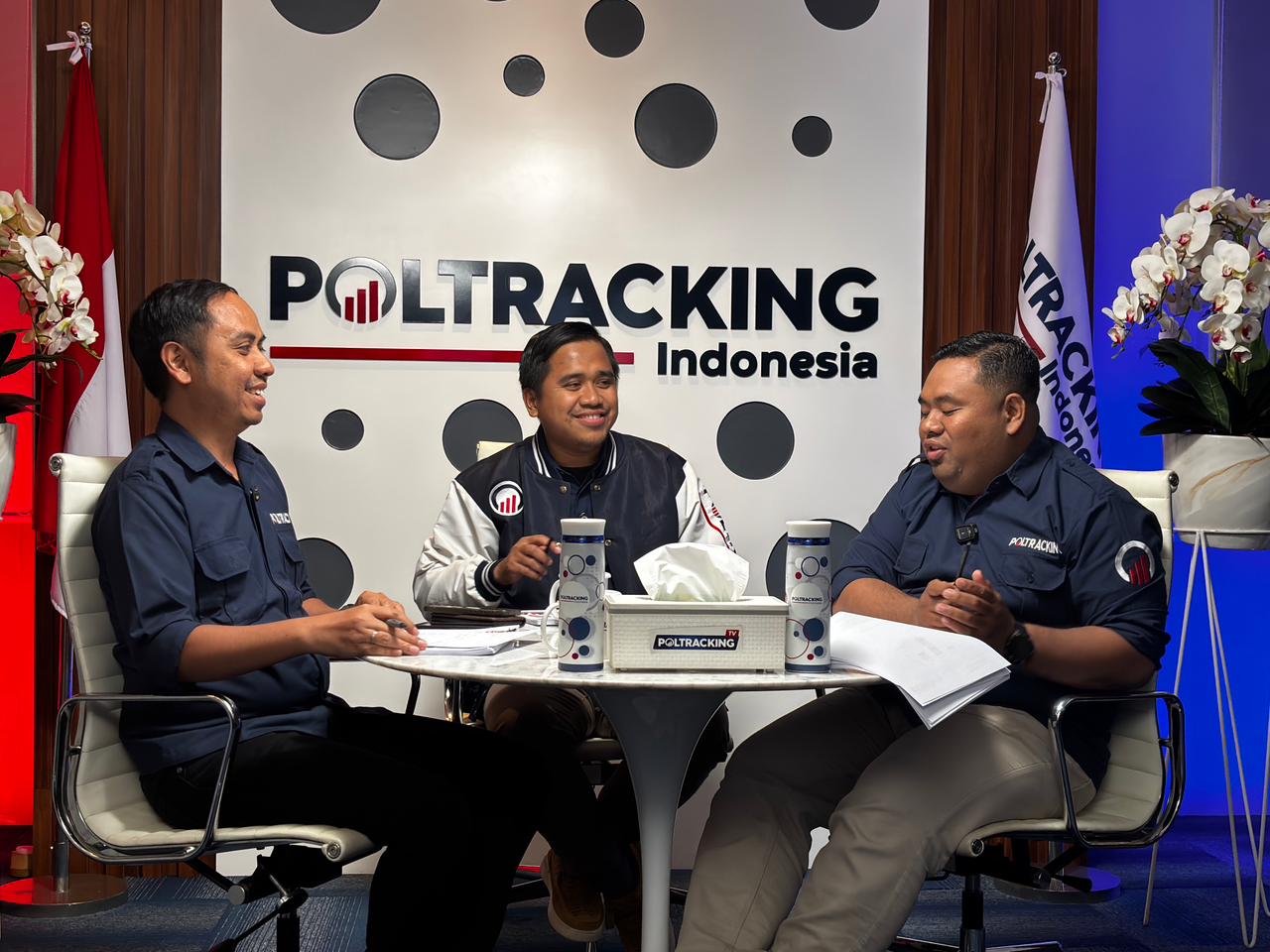
Polling institute Poltracking Indonesia has revealed that 51.9 percent of the public want President Prabowo Subianto and Vice President Gibran Rakabuming Raka’s Free Nutritious Meals (MBG) programme to continue. This is based on the institute’s latest survey conducted between 11 and 17 May 2026.
“MBG has co-opted everything; this needs attention because of those who are aware of it, only half know they have received it and claim to have benefited. Yet 51.9 percent want this programme to continue,” said Poltracking Indonesia researcher Ahmad Zia Fitrahudin during the release of the National Survey Findings: Evaluation of Government Performance & Strategic Current Issues on the Poltracking TV YouTube channel on Thursday, 4 June 2026.
He continued that this programme will always be the main narrative throughout the Prabowo-Gibran administration. However, he stressed that the majority of the public who agree the MBG should continue want improvements to the quality of the populist programme.
“MBG is always at the forefront as a flagship programme. Any programme that receives high broadcasting prominence will see its narrative lock in public expectations regarding quality,” he added.
According to the Poltracking survey, 92.1 percent of the public are aware of the MBG programme. Public satisfaction with MBG stands at 55.6 percent, with a breakdown of 7.7 percent very satisfied and 47.9 percent quite satisfied.
Meanwhile, the public also stated that family members had received the MBG programme. From the same survey, 57.9 percent of the public said there were family members who received MBG.
Nevertheless, Ahmad Zia emphasised that this MBG programme will continue to receive oversight and evaluation, including from the public. Moreover, the public wants transparency from the programme, which is currently undergoing a leadership change.
“This is a note for the government. What needs to be evaluated is its procurement, implementation, and transparency to the public,” he concluded.
The survey was conducted through direct face-to-face interviews. The sample size was 1,220 respondents with a margin of error of 2.9 percent at a 95 percent confidence level. The survey sampling method used multistage random sampling.