
Polri Education Pushed Towards Research-Based Model with Cross-Sectoral Collaboration via Social Science Lab
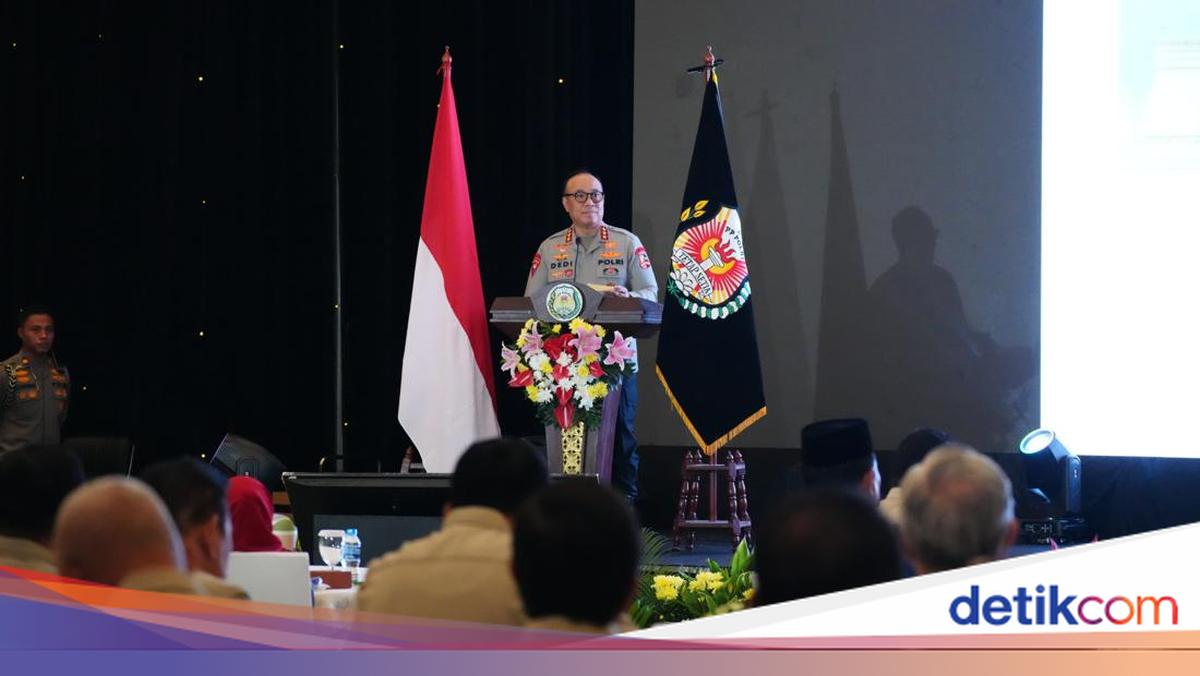
The Indonesian National Police (Polri) is encouraging its Education and Training Institutions (Lemdiklat Polri) to transform by focusing the education of future members on research and cross-sectoral collaboration. It is emphasised that Polri’s civil service education is no longer solely about memorisation and procedures. “The education process is no longer conventional, but based on experience, research, and real field problem-solving,” stated Deputy Chief of Police Komjen Dedi Prasetyo, quoted by detikcom from the book Police Social Science Laboratory, on Saturday (30/3/2026). To support the transformation of police education, Komjen Dedi said that the social science laboratory serves as its instrument. He conveyed that police must possess social sensitivity and emotional maturity before acting, so that society understands and responds positively to efforts to maintain security and public order (harkamtibmas). “Strategically, strengthening educational culture through this laboratory is expected to encourage the emergence of Polri members with social sensitivity, intellectual intelligence, and emotional maturity,” explained the former Head of Polri’s Public Relations Division. “This is crucial in facing the increasingly complex dynamics of police duties, from law enforcement, maintaining security and public order, to humane and just public services,” he added. Komjen Dedi also emphasised that the social science laboratory positions cross-sectoral collaboration as something important for police to undertake. He stated that collaboration with various elements will enrich perspectives, allowing police members to analyse holistically. “The importance of collaboration between police education institutions and other stakeholders, both from academia, practitioners, and society. This collaborative approach becomes the foundation in building an open, inclusive education system based on the real needs of the organisation and society,” he said. It is known that this facility will be located in the Police Academy (Akpol) complex, Lemdiklat Polri, Semarang, Central Java (Jateng). The maximum utilisation of this police social science laboratory facility also helps police develop a more progressive framework in responding to various contemporary challenges. “This laboratory also prepares progressive thinking related to emergency and contingency policing, covering disaster, social, and digital fields. Every dynamic requires a measured approach based on scientific knowledge,” said Komjen Dedi. In the disaster field, added Komjen Dedi, the police approach is directed towards increasing preparedness to face natural disasters. Meanwhile, in the social field, the focus is on handling conflicts and various social issues in society. In the digital field, attention is focused on phenomena such as misinformation, disinformation, the spread of fake news, and AI-based information disruption. “Therefore, scientific steps are needed, through multidisciplinary and interdisciplinary approaches in making comprehensive, data-based strategic decisions,” Komjen Dedi emphasised.