
Politics Never Knows Retirement
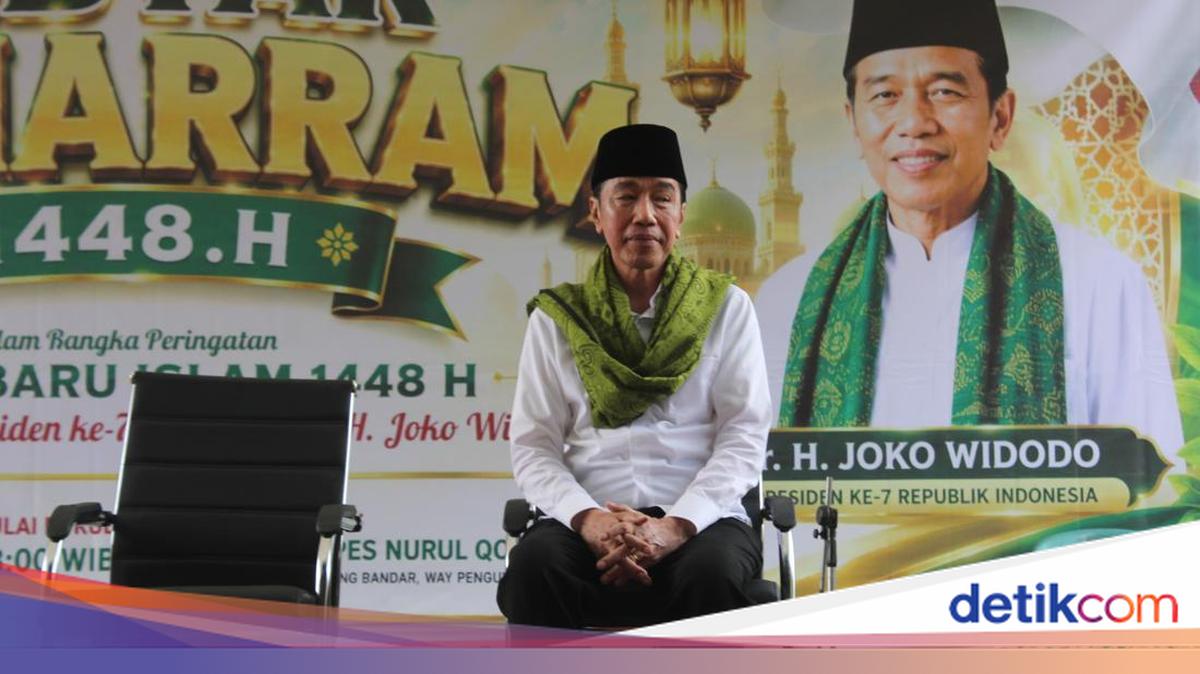
Former President Joko Widodo’s recent statement, ‘I am still the same as before, still a village person,’ delivered to Indonesian Solidarity Party (PSI) cadres in Lampung, marked the beginning of a political safari across several regions. The choice of locations, including Lampung, East Nusa Tenggara, and West Java, was not random; all have significant traces of development from his two terms in office. PSI’s Head of Politics, Bestari Barus, acknowledged that the government’s development track record was a key consideration in selecting these locations, revealing how infrastructure can be transformed from a policy outcome into a sustained political asset.
However, the relationship between development and electoral support is not straightforward. Jokowi’s own experience demonstrates this paradox. Despite building toll roads, dams, and ports in provinces like West Java, West Sumatra, and Aceh, he lost in all three during the 2014 presidential election and only managed to reverse the result in West Java five years later. This suggests that while development is important, factors such as identity, local elite networks, and social sentiment often speak louder to voters than concrete and asphalt. The safari, therefore, appears less about collecting a debt and more about cultivating public memory, reminding voters who was present and who delivered.
Political safaris are not a new phenomenon in Indonesia, echoing the New Order era’s ‘Safari Ramadan’ used for Golkar consolidation. Post-Reformasi, figures like Susilo Bambang Yudhoyono remained active through party activities after leaving office, proving that politics has no retirement, only a change of stage. For Jokowi, whose formal authority has ended, his greatest political capital now lies in his popularity, volunteer networks, and development legacy. His stated goal of working tirelessly to ensure PSI secures seats in the House of Representatives (DPR) by 2029 is a strategic move to maintain political influence, as a parliamentary faction would significantly alter the party’s bargaining power in national politics.
This extensive cross-province operation, however, incurs substantial costs for travel, logistics, and mobilisation. As Jokowi is no longer a state official and PSI remains a minor party, the public has a right to transparency regarding the funding of these activities, not out of suspicion, but to keep the public sphere free from unnecessary speculation.