
Political Analyst Says Pertamina Collaboration Strengthens Energy Governance
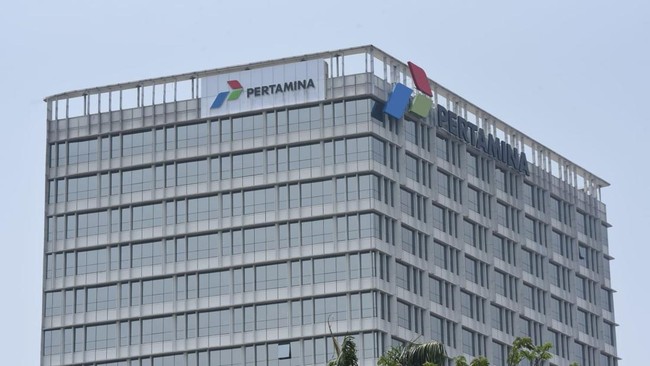
Jakarta, CNBC Indonesia — The smooth distribution of fuel oil (BBM) is an important part of managing strategic resources in support of people’s daily activities and the economy. PT Pertamina (Persero)’s collaboration with regional governments and relevant stakeholders is a significant step towards aligning the needs of each area, resolving obstacles more quickly and maintaining public access to energy.
Political analyst and University of Indonesia lecturer Cecep Hidayat said Pertamina was right to work with regional governments and other stakeholders to ensure the smooth distribution of fuel. The approach reflects the governance of strategic resources, which requires coordination across institutions to meet public needs.
He said fuel plays an important role in supporting people’s mobility, economic activity and public services. Its management therefore requires integration between government policy, companies’ operational capabilities and an understanding of the needs of each region.
“Pertamina, as a state-owned energy company, is right to strengthen its collaboration with regional governments and relevant parties. This is an example of governance for strategic resources, because smooth fuel distribution requires the roles and responsibilities of various parties to be aligned,” Cecep said, as quoted on Sunday (1 November 2026).
From a political science perspective, he said, the approach reflects collaborative governance. The government, businesses and stakeholders exercise their respective powers to achieve a shared goal: ensuring energy services reach the public.
Regional governments understand the characteristics of their areas, economic activity and residents’ needs. This information can help Pertamina map distribution requirements and determine operational responses suited to conditions on the ground.
“Collaboration creates scope for information-sharing and more focused resolution of problems. Pertamina can adjust distribution measures to local conditions, while regional governments support coordination so that services to the public run smoothly,” he said.
He said the involvement of regulators and relevant authorities was also important in helping to ensure that fuel distribution was monitored and supplies used for their intended purposes. A clear division of responsibilities can strengthen accountability and speed up follow-up when problems arise.
He added that this collaborative approach was increasingly relevant amid public demands for responsive services. The ability of state-owned energy companies to coordinate is an important part of fulfilling their public-service mandate and sustaining economic activity.
“Pertamina has taken the right approach by involving parties with the authority and understanding of local conditions. This kind of synergy deserves support because it strengthens the collective ability to maintain public access to energy,” he said.
He added that operational collaboration should be accompanied by clear and consistent public communication. In the digital era, people need information about service conditions, remedial measures and developments in distribution in their areas.
According to Cecep, maintaining energy distribution means more than managing operations. In the context of public policy, smooth fuel distribution is an important factor in maintaining economic and social stability, particularly when people face various domestic and global economic pressures.
Energy distribution governance should therefore be treated as part of efforts to strengthen national energy resilience. When supply and distribution run well, people can rely on services, helping to minimise panic, speculation and misinformation.
“When it comes to energy, people fundamentally need certainty. The most important things are to ensure distribution runs smoothly, stocks are available and information is communicated transparently. That way, people can see that the state is present and that all stakeholders are working in coordination to provide energy services.”
The holder of a Governance, Risk and Compliance (GRC) certification explained that managing fuel distribution is also part of risk management in a strategic sector. Any potential disruption requires risk identification, coordination across institutions and clear mitigation mechanisms to keep public services running properly.
He said collaboration between Pertamina, regional governments, regulators and relevant authorities demonstrated an adaptive governance approach, as it enabled faster decision-making based on conditions on the ground.
Cecep said the success of energy governance should be measured not only by whether fuel reaches the public, but also by the ability of all parties to build public trust through transparency, coordination and accountability.
Amid the energy sector’s evolving challenges, synergy between Pertamina and stakeholders should continue to be strengthened so that the public can rely on services and national economic stability can be maintained.
Ultimately, energy resilience is not just about the availability of supply; it also depends on the ability of state institutions and all stakeholders to work together effectively in the public interest.
Source: jawawa.id (https://jawawa.id/newsitem/political-analyst-says-pertamina-collaboration-strengthens-energy-governance-1793508679)
Originally published by CNBC Indonesia (https://www.cnbcindonesia.com/news/20261101103900-4-781232/pengamat-politik-sebut-kolaborasi-pertamina-perkuat-tata-kelola-energi), translated from Indonesian