
Police to draft implementing regulations after President signs revised Police Law
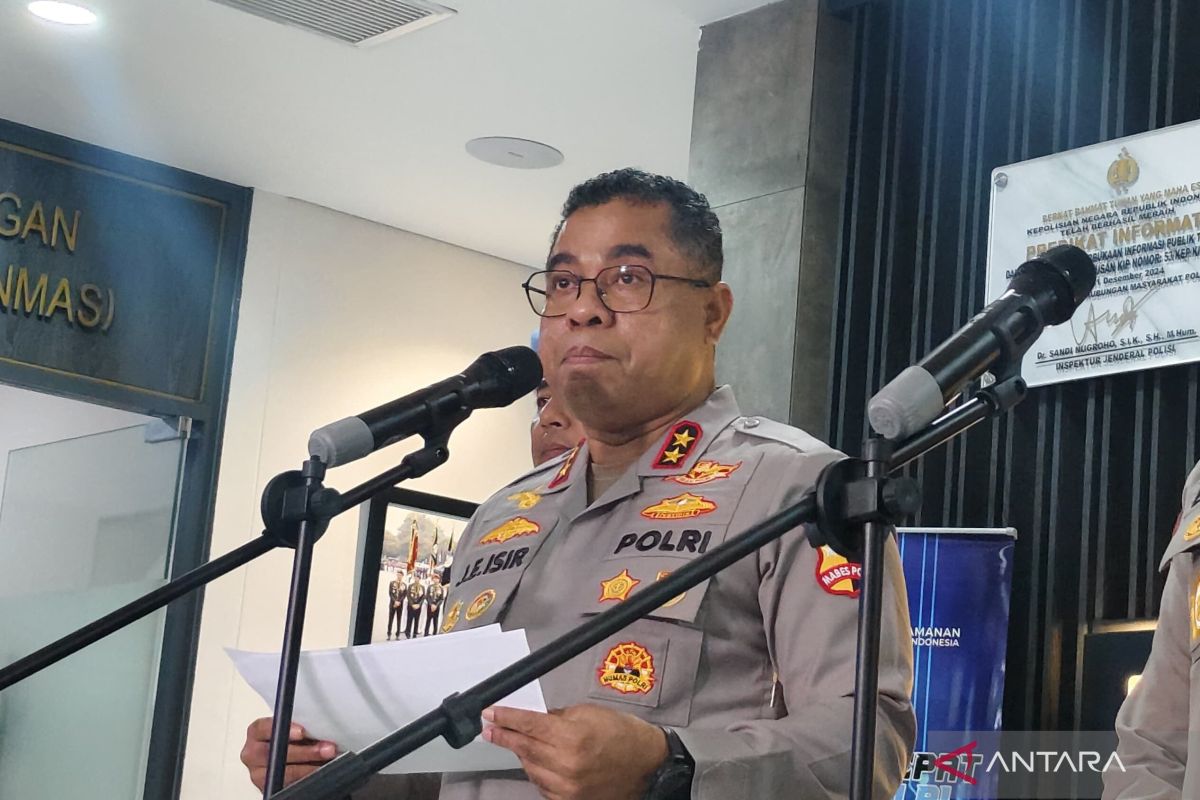
The Indonesian National Police (Polri) will draft implementing regulations after President Prabowo Subianto ratified Law Number 5 of 2026 concerning the Third Amendment to Law Number 2 of 2002 on the Indonesian National Police. “(Polri) is drafting and adjusting the implementing regulations delegated by Law Number 5 of 2026,” said Head of the Public Relations Division of Polri, Inspector General Johnny Eddizon Isir, in Jakarta on Tuesday. He added that Polri will also conduct socialisation and internalisation to align views and ensure uniformity in the execution of duties and authorities as normed in Law Number 5 of 2026. “Both focus activities are oriented towards improving the quality of protection, sheltering and public service, maintaining public order and security, and law enforcement as part of efforts to realise a Precise Polri,” he stated. Law Number 5 of 2026, ratified by President Prabowo Subianto on 17 June 2026, contains several crucial provisions. Based on the copy, one important change is in Article 28A paragraph 1, which stipulates that Polri members may hold positions outside the Polri organisation as long as they are related to police functions. This provision is detailed in paragraph 2, which states that such positions may be in ministries or institutions that administer affairs of maintaining public security and order, public protection and service, and law enforcement. Meanwhile, paragraph 3 opens the possibility of assigning Polri members outside the organisation based on a Presidential assignment. The law also adds Article 19A, which regulates the principles of police duty execution. Paragraph 1 emphasises that Polri members, in carrying out their duties and authorities, must adhere to the principles of professionalism, proportionality, transparency, and accountability. Paragraph 2 regulates the implementation of a supervisory system through the inspectorate function, investigation supervision, and profession and security, while paragraph 3 opens the utilisation of technology and science within that supervisory system. The law’s elucidation states that the use of such technology includes body-worn cameras, CCTV, artificial intelligence technology, public complaint systems, and other technologies supporting modern policing.