
Police Support Legal Process After Brigadier General Named Suspect in Free Nutritious Meal Programme Corruption
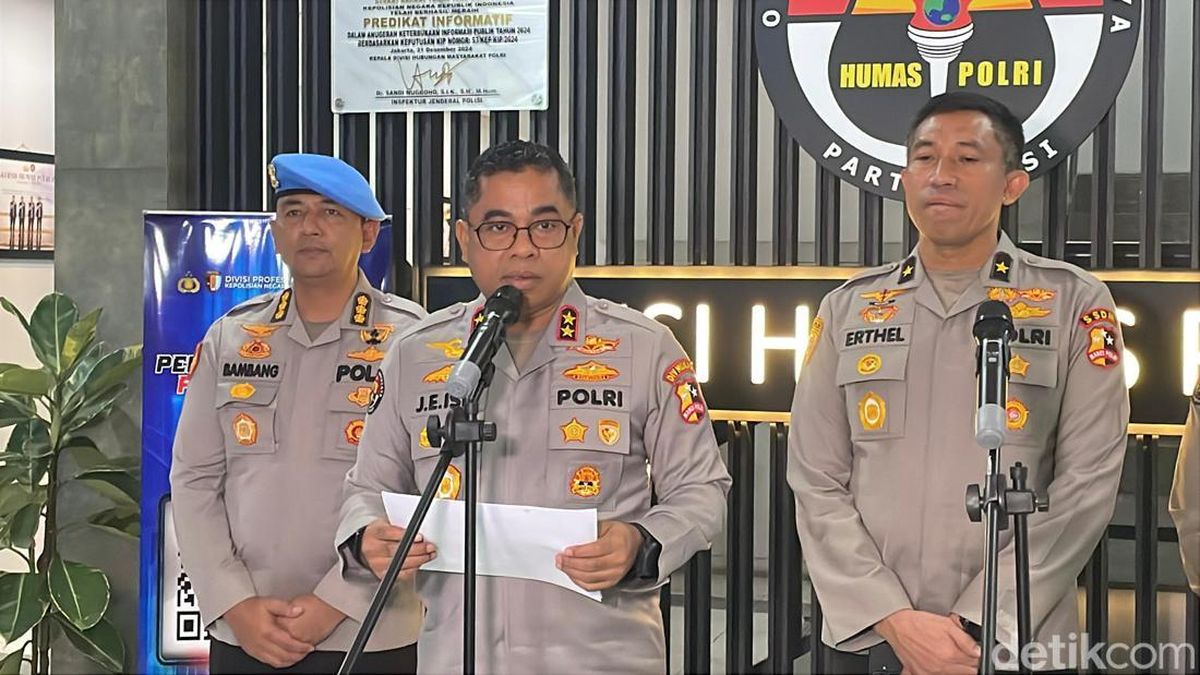
The Indonesian National Police Headquarters has spoken out following the designation of Brigadier General Lalu Muhammad Iwan Mahardan (LMI) as a suspect in the corruption case involving the management of the Free Nutritious Meal (MBG) programme by the Attorney General’s Office (Kejagung).
The Head of Public Relations for Polri, Inspector General Johnny Eddizon Isir, emphasised that the force fully supports and respects the ongoing legal process being conducted by the Attorney General’s Office.
“Polri supports and respects the law enforcement process in the MBG corruption case being carried out by the Attorney General’s Office,” he told reporters on Thursday (2/7).
He explained that Lalu will also face internal disciplinary proceedings regarding his conduct within the police force. Isir asserted that every member of the Indonesian National Police who commits a criminal act will be subject to both legal and ethical prosecution.
“Polri is taking a firm stance in accordance with applicable service regulations and is committed to ensuring there is no impunity for any individual personnel of the Indonesian National Police who commit criminal acts,” he added.
Previously, the Attorney General’s Office named a total of seven suspects in the corruption case concerning the management of the Free Nutritious Meal (MBG) programme for the 2025-2026 period. The seven individuals include the former Head of the National Nutrition Agency (BGN) Dadan Hindayana; former Deputy Heads of BGN Sony Sonjaya and Lodewyk Pusung; Sony’s associate Asep Yusuf Somantri (AYS); and the Commissioner of PT Yasa Artha Trimanunggal (YAT), Andri Mulyono. Additionally, the suspects include the Chairman of the Indonesia Food Security Review Foundation, Glory Harimas Sihombing, and the Secretary of the Deputy for Promotion and Cooperation of BGN, Brigadier General Lalu Muhammad Iwan Mahardan.
In this case, the Attorney General’s Office explained that the MBG programme should have been managed by Service Units for Nutrition Fulfilment (SPPG) foundations affiliated with recipient schools. However, in practice, many SPPGs were appointed due to their affiliations with high-ranking BGN officials. Furthermore, many foundations did not actually meet the requirements to become SPPG partners.
Additionally, there were price mark-ups in the procurement of goods, resulting in losses that undermined the operational implementation of the MBG. These procurements included 21,801 electric motorcycles valued at IDR 1.03 trillion, 32,000 pairs of shoes, 31,994 tablets, and 5,400 units of 75-inch televisions.