
Police Law Revision: Retirement Age Extension Must Not Block Career Progression
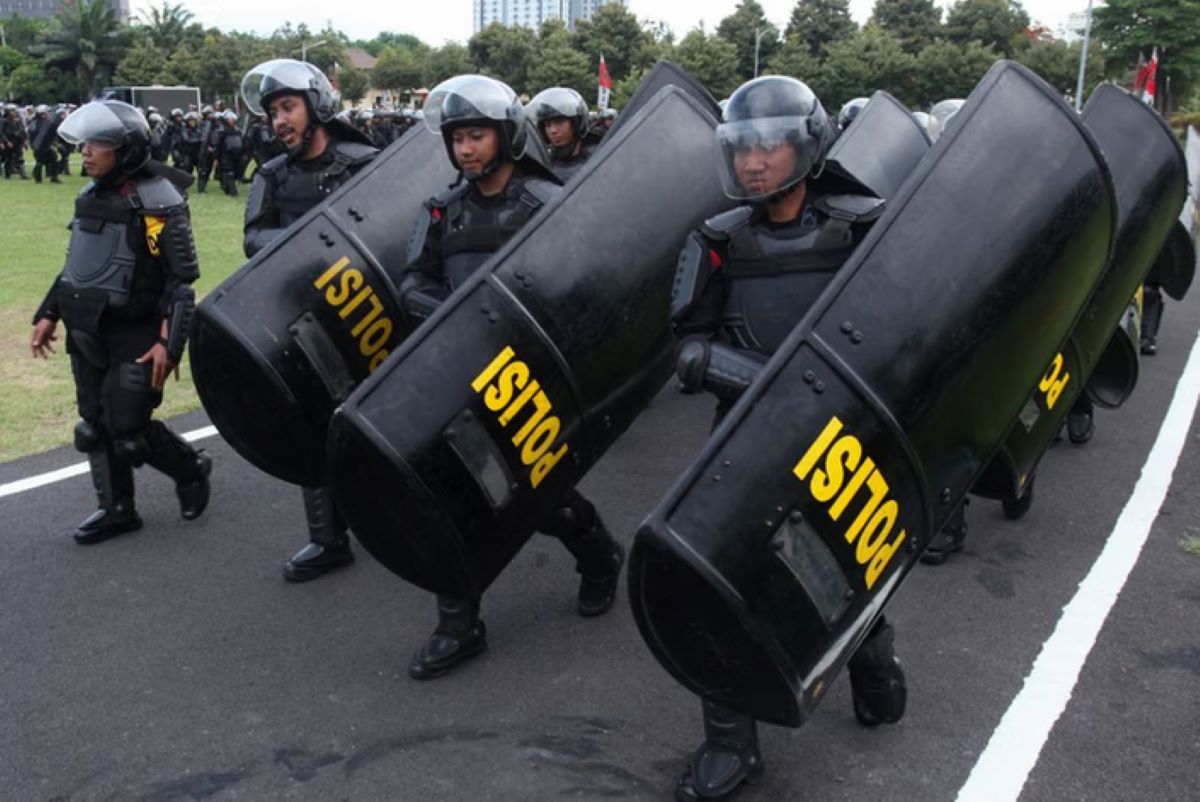
Plans to increase the retirement age for members of the Indonesian National Police (Polri) within the revision of the Police Law have drawn critical remarks. There are warnings that this new policy must not create obstacles or career bottlenecks within the force.
This warning was delivered by Tedi Sudrajat, Professor of Administrative Law of Personnel at the Faculty of Law, Jenderal Soedirman University, during a Public Hearing (RDPU) regarding the Police Law Bill alongside Commission III of the House of Representatives (DPR RI) in Jakarta on Tuesday.
According to Tedi, any increase in the retirement age for police officers must continue to consider proper governance and clear career progression. “We must ensure that the extension of the retirement age maintains healthy regeneration across the three levels and 21 ranks within the police force. We must consider the career path to prevent career bottlenecks,” Tedi stated.
Tedi explained that the increase in retirement age must be carefully considered from both quantitative and qualitative aspects. Quantitatively, data from the Indonesian Central Statistics Agency (BPS) shows that life expectancy in Indonesia is projected to reach 74.47 years by 2025. Conversely, the ratio of police officers to the total Indonesian population of approximately 287 million remains at 1:606, a figure deemed insufficient by United Nations standards, necessitating internal human resource efficiency.
From a qualitative perspective, Tedi emphasised that the new regulation must not disrupt the internal regeneration of the institution. He highlighted that the discourse on increasing the retirement age must consider ‘zero growth’ policies in the recruitment system. Furthermore, strict regulations regarding tenure in specific ranks and measurable regeneration schemes are required to prevent leadership stagnation.
In related legislative developments, the Deputy Speaker of the House, Adies Kadir, noted that the Asset Forfeiture Bill and the Police Law Revision will be discussed once the Criminal Procedure Code (KUHAP) Bill is finalised. Meanwhile, the regulation is viewed as crucial for maintaining political neutrality and preventing the expansion of coercive power in the public sphere.