
Police Corruption Unit Explains Why Suspects in Pertamina Fuel Sales Case Have Not Been Detained
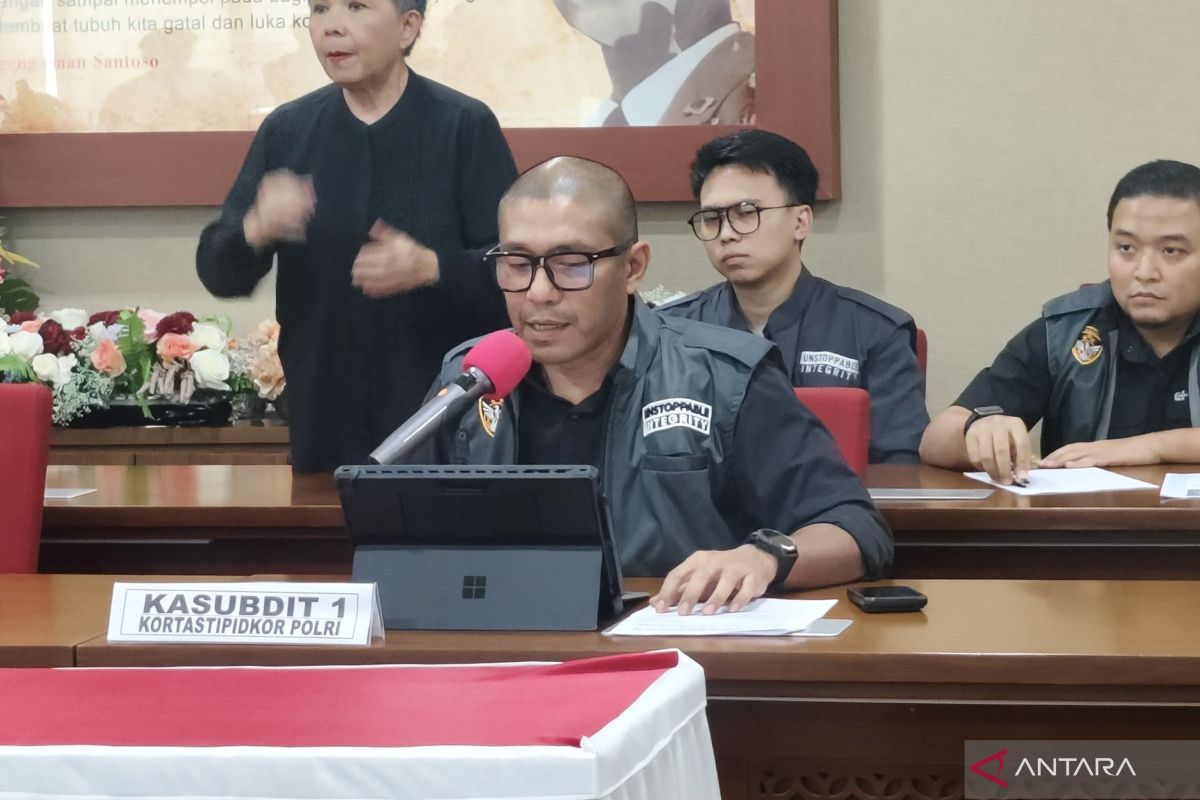
The Corruption Eradication Corps (Kortastipidkor) of the Indonesian National Police has not detained four suspects in a case of alleged corruption related to a non-cash fuel sales cooperation agreement between PT Pertamina Patra Niaga (PPN) and PT Asmin Koalindo Tuhup (AKT) for the 2009-2012 period, as all are still considered cooperative.
Head of Sub-Directorate I of Kortastipidkor, Police Commissioner Danny H. Ardiantara B. Sianipar, stated that investigators have not encountered any obstacles in completing the investigation process to date.
“After the suspects were named, until now we have not found any obstacles in completing our investigation. To date, we have not detained these four suspects,” Danny said during a press conference at the Bareskrim Polri building in Jakarta on Tuesday.
Danny added that investigators have also not requested a travel ban against the suspects because they have all remained cooperative.
“Because all the suspects are still cooperative and there are no hindrances to our investigation, we have not detained or prevented the suspects from travelling,” he said.
The case originated from a cooperation agreement for the sale of high-speed diesel (HSD) fuel between PT PPN and PT AKT using a payment mechanism via a Letter of Credit (LC) or Domestic Documentary Credit (SKBDN).
During its implementation, PT AKT was late in making payments on several occasions and fell into arrears on its obligations. However, authorised officials at PT PPN allegedly did not stop the fuel distribution or implement risk mitigation measures as required by prevailing regulations.
As a result, fuel distribution continued even though payment obligations had not been met. PT AKT obtained financing facilities for large-volume fuel sales without adequate guarantees, while the risk of loss was borne by PT PPN.
From the distribution of approximately 191.37 million litres of fuel valued at USD 137.29 million, there were unmet payment obligations. Based on an audit by the Supreme Audit Agency (BPK), the case resulted in state financial losses of USD 30,370,958.61, or approximately IDR 486 billion.