
Police Acknowledge Obstacles in Handling Cases Involving Women and Children
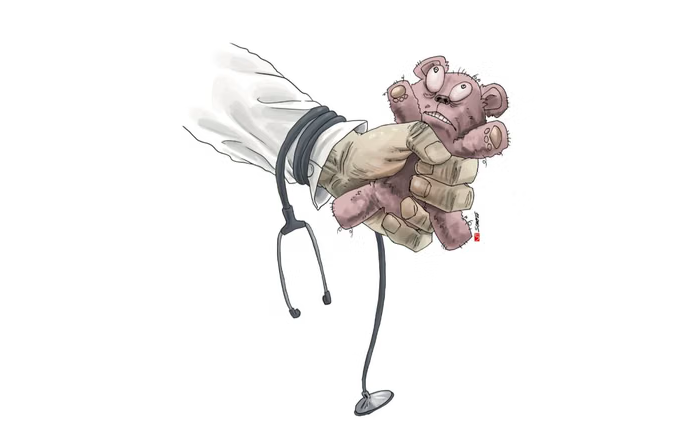
The Head of the Operational Administration Sub-Section for the Director of Women and Children and Human Trafficking Crimes at the National Police Criminal Investigation Agency, Ema Rahmawati, has acknowledged that the handling of violence cases against women and children within the police force still faces obstacles. “Indeed, in the process of handling cases within the police, there are still obstacles that we encounter, ranging from human resources, budgeting, regulations, to infrastructure,” Ema said during the Denpasar 12 Discussion Forum online on Wednesday (8/7). Each Regional Police and Resort Police has a unit specifically handling cases of violence against women and children. However, the obstacles experienced include a lack of personnel. Furthermore, the quality of competence is also uneven due to limited training or understanding of child psychology, interview techniques, handling of disabilities, and handling of digital evidence. Ema added that formal requirements are also still limited because they depend on the training conducted. Currently, to handle violence against women and children, the police prioritise the role of policewomen as they are considered to have higher sensitivity than male officers. From the budget side, there are still limitations for investigations, inquiries, scientific evidence, the diversion process and decision-making, as well as temporary protection and special budgets for experts and others. Meanwhile, regarding regulations, they are currently still completing internal regulations for the process of handling cases involving children, such as standard operating procedures. “The complexity of evidence is also a major obstacle because sometimes there is no shared understanding of perspective in implementing the law between the police, prosecutors, and judges,” Ema said. In addition to internal obstacles, there are also external obstacles, namely victims reporting late, witness constraints, expensive scientific evidence, limited child experts, human trafficking experts, psychologists, psychiatrists, and forensic experts, which also become obstacles in the case handling process. “Furthermore, cross-sector coordination is not yet optimal because the financing for fulfilling infrastructure depends on the local government; this needs to optimise the participation of local governments,” she concluded.