
PNM Promotes Strengthening Family Roles to Safeguard Children's Mental Health
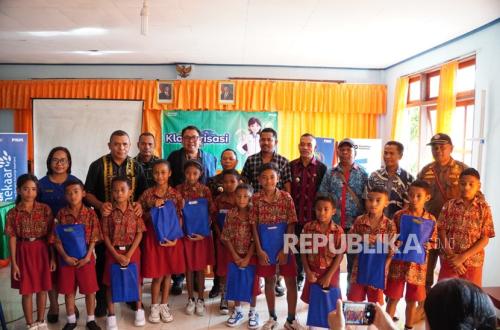
Children’s mental health is an increasingly critical concern amidst the various challenges facing the younger generation today. Family support, warm parenting, and a safe environment are considered vital factors in helping children grow and develop optimally. Data from the Indonesian Child Protection Commission (KPAI) recorded 116 cases of suicide among children aged 10 to 18 years between 2023 and 2025. The highest number of cases occurred in the 13 to 17 age group, typically undergoing the transition to adolescence. Responding to this situation, PT Permodalan Nasional Madani (PNM), together with the Ministry of Women’s Empowerment and Child Protection (KPPPA), organised a family empowerment event in Bajawa, Ngada Regency, East Nusa Tenggara (NTT). PNM President Director Kindaris stated that the activity serves as an educational space for families, particularly mothers, to understand the importance of children’s mental health and the parental role in providing support during their developmental years. According to him, children need a safe space to be heard, understood, and accompanied, especially when facing changes during crucial phases of their lives. “Through this activity, we aim to create a shared learning space for families to better understand the importance of children’s mental health and how parents can provide appropriate support throughout their growth process,” Kindaris said in a statement on Thursday (11/6/2026). In addition to parenting education, the event also featured free health check services and informal learning activities for children. The programme is expected to deliver direct benefits to families and the local community. Kindaris explained that family empowerment is not solely a social matter but also an economic one. Therefore, PNM is also encouraging the development of local business potential through the coaching of a nutmeg business cluster in the Bajawa area. Through mentoring, financing, and business training, underprivileged women are expected to have greater opportunities to develop ultra-micro enterprises while improving family welfare. According to Kindaris, women with access to knowledge and economic opportunities will have a better capacity to support their children’s growth and development. He considers women’s empowerment and strengthening the family role as two interconnected elements in creating a healthy environment for children. “PNM believes that empowered women can bring positive change both at home and in their surrounding environment. Through this collaboration, we want to support mothers to become more independent, while also better understanding the importance of attentive parenting,” he said. Kindaris added that children’s mental health is a shared responsibility requiring the involvement of families, communities, and various relevant parties. “Children’s mental health is a shared responsibility, and every child has the right to grow up in a safe, healthy, and empathetic space,” he stated.