
PNM Commemorates National Batik Day, Using Momentum to Strengthen Nusantara Batik Heritage
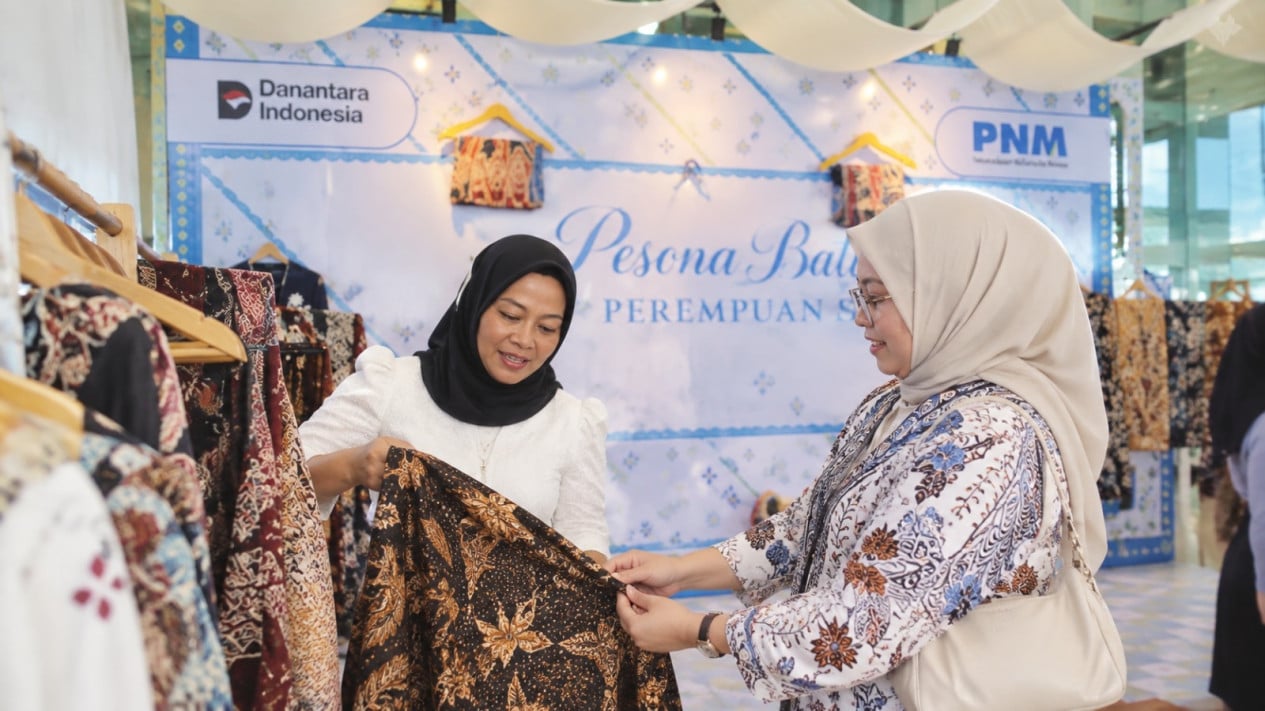
Every piece of batik holds a story of the hands that preserve cultural heritage, including the batik makers in various corners of the country. On National Batik Day, PT Permodeler Nasional Madani (Persero) continues its efforts to support the preservation of this cultural legacy by empowering resilient women who depend on batik enterprises for their livelihoods.
To date, PNM has facilitated batik clustering in various locations across Indonesia, including Jambi, Madiun, Magelang, and Lamongan. Clustering is a series of training programmes implemented by PNM in groups, bringing together similar batik entrepreneurs within a single region. Through this method, training can be more targeted, ensuring participants do not work in isolation.
The President Director of PNM, Kindaris, stated that this activity serves as PNM’s way of contributing to the preservation of batik during the National Batik Day momentum.
“We want to help preserve batik through its makers. Through financing and empowerment programmes via clustering, we bring batik makers together so they can learn, create, and grow together, ensuring that batik remains sustainable and their businesses become stronger,” said Kindaris.
In the Danau Teluk sub-district of Jambi City, for example, clustering provides batik training, mentoring, and market access for local artisans. Participants’ skills are further expanded in Uteran Village, Geger District, Madiun Regency, through ecoprint batik training, which encourages creativity and introduces new knowledge.
This skill development is supported by facilities in Gandusari Village, Magelang. PNM has established a batik-focused assisted village, complete with batik training centres and colour-fixing equipment.
Clients are trained by instructors to expand their skills from traditional batik to ecoprint. This is followed by dyeing training to ensure product quality is maintained. These facilities are also available for use by the local community members who are not PNM clients.
“Through clusters, batik makers no longer work individually. They learn together, use shared facilities, and help one another during difficulties. This spirit of ‘gotong royong’ (mutual cooperation) is what we apply in the group-based coaching of PNM clients, as we believe businesses run together will find it easier to develop,” Kindaris added.
This clustering serves as a form of PNM’s support for the National Batik Day commemoration every 2nd October, marking when Indonesian batik was recognised by UNESCO as an intangible cultural heritage. For PNM, nurturing batik means ensuring its makers continue to be empowered.