
Pneumonia and Bronchitis: How Do Their Symptoms and Causes Differ?
Jakarta (ANTARA) – A persistent cough, chest discomfort and shortness of breath can be signs of a respiratory problem. Pneumonia and bronchitis are two conditions that share several symptoms.
Although both affect the respiratory system, they differ fundamentally in the parts affected by inflammation and in their causes. Understanding these differences can help people make sense of their symptoms and know when to seek medical attention.
So, how do pneumonia and bronchitis differ in terms of symptoms and causes?
Differences between pneumonia and bronchitis
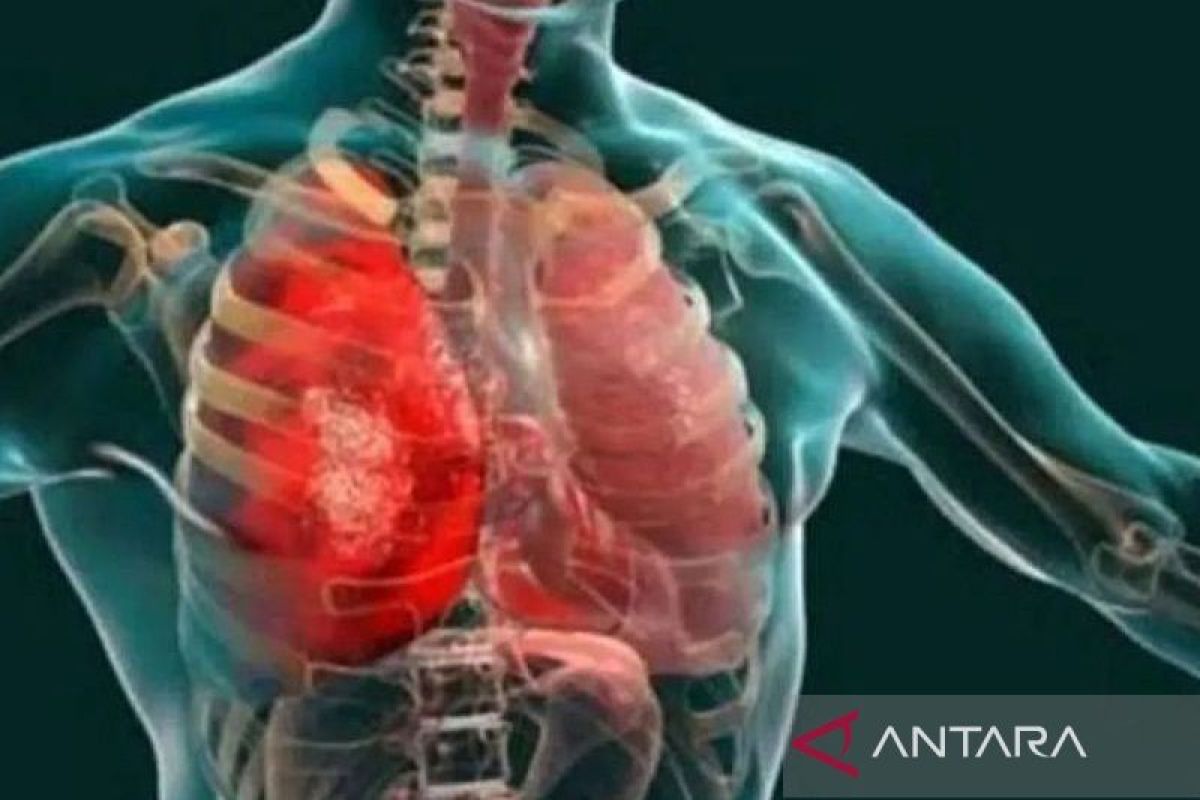
Pneumonia is an infection that causes inflammation in lung tissue, particularly the alveoli, or air sacs where oxygen exchange takes place. When infection occurs, the air sacs can fill with fluid or pus, disrupting breathing.
Bronchitis, meanwhile, is inflammation of the bronchi, the airways that carry air to and from the lungs. The inflammation can increase mucus production, triggering a productive cough.
There are two types of bronchitis: acute and chronic. Acute bronchitis usually lasts for a relatively short time, while chronic bronchitis involves long-term inflammation, often caused by exposure to cigarette smoke or other irritants.
Pneumonia and bronchitis can both cause coughing, fatigue and shortness of breath. However, some symptoms can help distinguish between them.
Common symptoms of pneumonia include:
A dry or productive cough.
Fever and chills.
Shortness of breath or difficulty breathing.
Chest pain, particularly when coughing or taking a deep breath.
Weakness and fatigue.
In some people, pneumonia may also cause nausea, vomiting or confusion, particularly among older people.
Bronchitis is generally characterised by:
A cough that can last for several weeks.
Increased mucus or phlegm production.
Chest discomfort.
A sore throat.
Fatigue, a mild fever or chills.
Wheezing or shortness of breath.
In acute bronchitis, the cough can persist even after other symptoms have improved. Chronic bronchitis is characterised by a long-term, recurring productive cough.
Symptoms alone are not enough to determine whether someone has pneumonia or bronchitis. A medical examination is needed to establish an accurate diagnosis.
Pneumonia is generally caused by infection with microorganisms such as bacteria, viruses and fungi. The infection triggers inflammation in lung tissue and can interfere with oxygen absorption.
The risk of severe pneumonia is higher among babies, young children, older people, smokers, and those with chronic illnesses or weakened immune systems.
Unlike pneumonia, acute bronchitis is most often caused by viruses that also trigger colds or influenza. Antibiotics are therefore unnecessary in most cases of acute bronchitis caused by viruses.
Chronic bronchitis is generally associated with long-term exposure to cigarette smoke. Air pollution, dust and certain chemicals can also irritate and inflame the bronchi.
When should you see a doctor?
A cough that does not improve should not be ignored, particularly if accompanied by a persistent fever or worsening weakness.
Seek medical attention promptly if you experience shortness of breath, chest pain, coughing up blood or a high fever. If breathing difficulties are severe or your lips appear bluish, seek emergency help immediately.
Pneumonia and bronchitis require treatment tailored to their causes and severity. Do not take antibiotics without an examination and advice from a healthcare professional.
Ultimately, the main difference between the two conditions is the part of the respiratory system affected by inflammation. Pneumonia affects lung tissue, while bronchitis affects the bronchi. Recognising the symptoms and obtaining an accurate diagnosis can help prevent either condition from becoming more serious, according to the Ministry of Health.