
PMI Engages Mosques and Churches to Distribute National Clean Water Aid
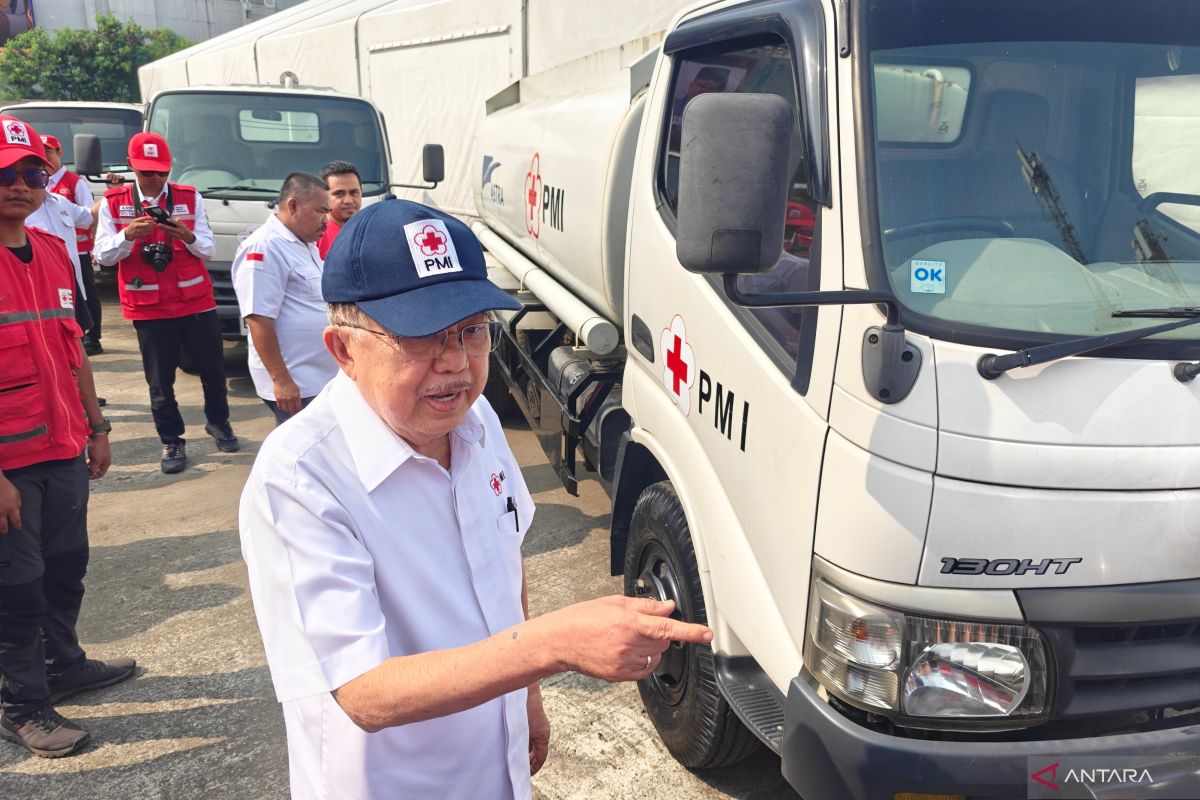
The Indonesian Red Cross (PMI) is involving religious institutions such as mosques and churches to optimise the distribution process of national clean water aid to communities affected by extreme drought disasters. PMI Chairman Jusuf Kalla, during the 2026 El Niño Extreme Drought Impact Operation Roll Call in Jakarta on Tuesday, stated that this cooperation with places of worship aims to ensure that logistics distribution in the field runs more quickly and fairly. “We will cooperate with local PMI branches and places of worship, mosques and churches. In NTT, for example, so that logistics run smoothly, the places of worship will manage the distribution further down,” he said. Jusuf Kalla explained that with this mechanism, PMI water tanker fleets only need to supply clean water to the points of worship, without having to visit residential areas one by one. This tactical measure was taken for the sake of time efficiency, where mosque and church administrators will later coordinate the direct distribution of clean water to their congregations and the surrounding community. PMI considers door-to-door distribution to be too time-consuming, while the need for clean water for cooking, drinking, washing, and bathing for affected residents is very urgent. To support the smooth running of this national-scale humanitarian operation, the organisation has deployed a total of 400 fleet units, consisting of 200 large tanker trucks (>5,000 litres) and 200 open-bed trucks with small tanks (5,000 litres). Jusuf Kalla explained that the hundreds of small tanker trucks were deliberately prepared specifically to reach urban areas experiencing a water crisis in the regions of Java, Bali, West Nusa Tenggara, and East Nusa Tenggara. The humanitarian operation, based on analysis from the Meteorology, Climatology and Geophysics Agency (BMKG), is planned to roll out in stages starting from June 2026 until May next year to minimise the social impact of the global El Niño climate phenomenon. “In the regions, operations have actually already begun, because this operational fleet has been prepared and on standby since last month to face the impact of this extreme drought,” he revealed.