
PM Keir Starmer Resigns Amid Internal Pressure and Plunging Popularity
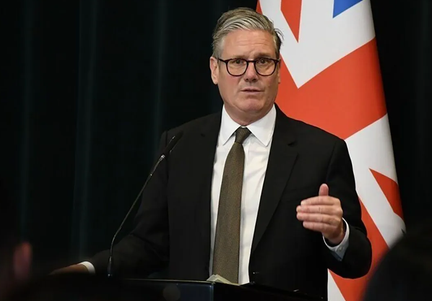
British politics has been rocked by major turmoil once again. Prime Minister Keir Starmer officially announced his resignation as leader of the Labour Party on Monday (22/6). This decision automatically ends his tenure in government, as the British political system requires the prime minister to be the leader of the majority party in parliament.
Starmer’s resignation makes him the fourth head of the UK government to step down in the last five years. The moment is all the more dramatic as it was announced just a day before the one-decade anniversary of Brexit, which falls on Tuesday (23/6).
In an emotional farewell speech outside Number 10 Downing Street, Starmer revealed that the move was taken after he absorbed the aspirations and views of his party colleagues. While proud of his achievement in returning the Labour Party to power after a decade, he acknowledged a shift in confidence within the party.
“The question now being asked by my party is whether I am still the right person to lead us into the next general election. I have heard the answer from my parliamentary party, and I accept that answer with grace,” Starmer said, as reported by CNN on Monday (22/6). Starmer confirmed he had communicated with His Majesty King Charles III to convey the strategic decision, which he claimed was in the national interest.
Starmer’s position has been increasingly undermined in recent months due to a collapse in public trust. The latest data from YouGov shows Starmer’s popularity rating has plummeted to 19%, placing him ninth on the list of the most popular Labour Party politicians.
Beyond electability concerns, pressure mounted following a controversy over official appointments earlier this year. Starmer’s name was dragged into the spotlight after the UK Ambassador to the US, Peter Mandelson—whom Starmer appointed in December 2024—was linked to documents from the Jeffrey Epstein legal case that resurfaced in February.
Calls for his resignation also came from senior figures such as Foreign Secretary Yvette Cooper, particularly after poor results for the Labour Party in a series of public opinion polls against their political rivals.
Amid the leadership vacuum, Greater Manchester Mayor Andy Burnham has emerged as the strongest candidate to succeed Starmer. Burnham, who has a track record as a minister in the Tony Blair and Gordon Brown eras, is considered capable of reuniting the party’s support base. Burnham’s reputation has been further bolstered after he secured a landslide victory in the latest by-election, defeating the candidate from Nigel Farage’s Reform UK. Burnham’s success in turning the tide in areas previously dominated by pro-Brexit groups makes him a new figure of hope for the Labour Party.
Britain now prepares for a leadership transition process amid economic challenges and the tenth anniversary of its separation from the European Union.