
PLTU Adipala Uses Sawdust and Cash-Handling Waste for Cofiring
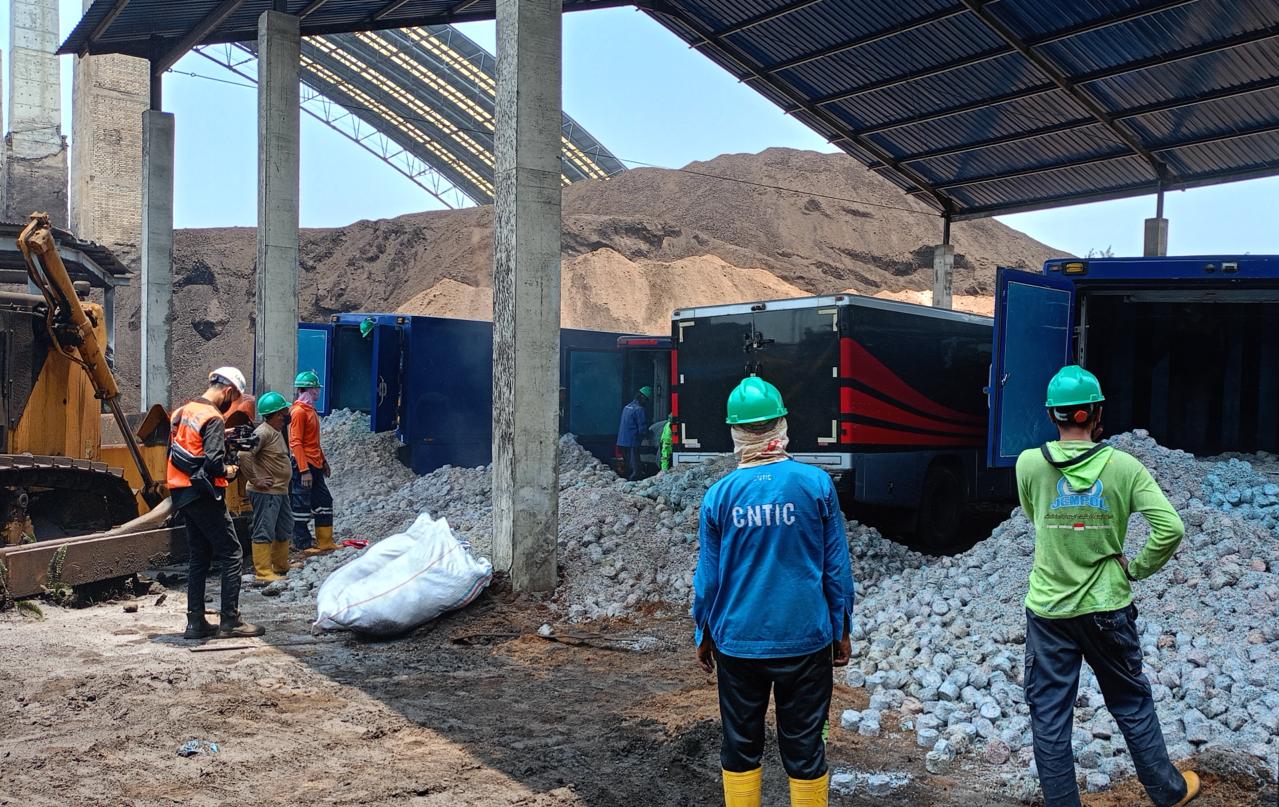
PLN Indonesia Power UBP Adipala, located in Cilacap, Central Java, continues to reinforce its energy transition steps by applying biomass cofiring, a technology that mixes coal with biomass-based fuels in electricity generation. This programme is one of the strategies to reduce carbon emissions while maintaining the plant’s operational sustainability.
PLN Indonesia Power UBP Adipala began commercial cofiring implementation in 2023 with limited capacity. In the initial stage, the biomass used came from sawdust and woodchip as well as Limbah Racik Uang Kertas (LRUK) — cash-handling waste.
Over time, biomass utilisation at PLTU Adipala has continued to rise. In fact, biomass usage exceeded 107.35 percent of the annual target. This achievement demonstrates that the cofiring system is becoming more stable and optimised operationally.
This success is supported by several innovations, from strengthening partnerships with biomass suppliers across regions to community empowerment through wood waste processing and the development of Energy Plantation Forests (HTE).
The types of biomass used have become more varied. In addition to sawdust and woodchip, PLTU Adipala now also uses agricultural waste and waste-based fuel (BBJP). Biomass supply has been strengthened through an expanding supply network across several areas of Central Java.
To support sustainability of supply, PLN Indonesia Power UBP Adipala is also developing an Energy Plantation Forest of more than 100 hectares. The area is projected to become a long-term source of biomass raw material while optimising underperforming land.
Technically, biomass quality is being enhanced through drying processes to reduce moisture content. This is done so that the biomass can produce heat more steadily and support plant efficiency.
Cofiring implementation also yields a reduction in carbon emissions. Additionally, the programme opens opportunities for UBP Adipala to participate in carbon trading schemes through verified emission reductions.
Senior Manager, PLN Indonesia Power UBP Adipala, I Wayan Arimbawa, said cofiring is a realistic energy transition solution because it uses existing power-plant infrastructure with a more environmentally friendly approach. ‘Cofiring is one of the realistic transition solutions because it utilizes the existing plant infrastructure, but with a more environmentally friendly approach. We continue to push for increased biomass utilisation while ensuring the benefits are felt by the community,’ he said.
Looking ahead, the cofiring development at PLTU Adipala will focus on increasing biomass utilisation, strengthening the supply chain, innovating alternative fuels, and contributing toward the national decarbonisation target. (H-2)