
PLN Watch: Blackouts Should Spur Strengthening of Electricity Reliability
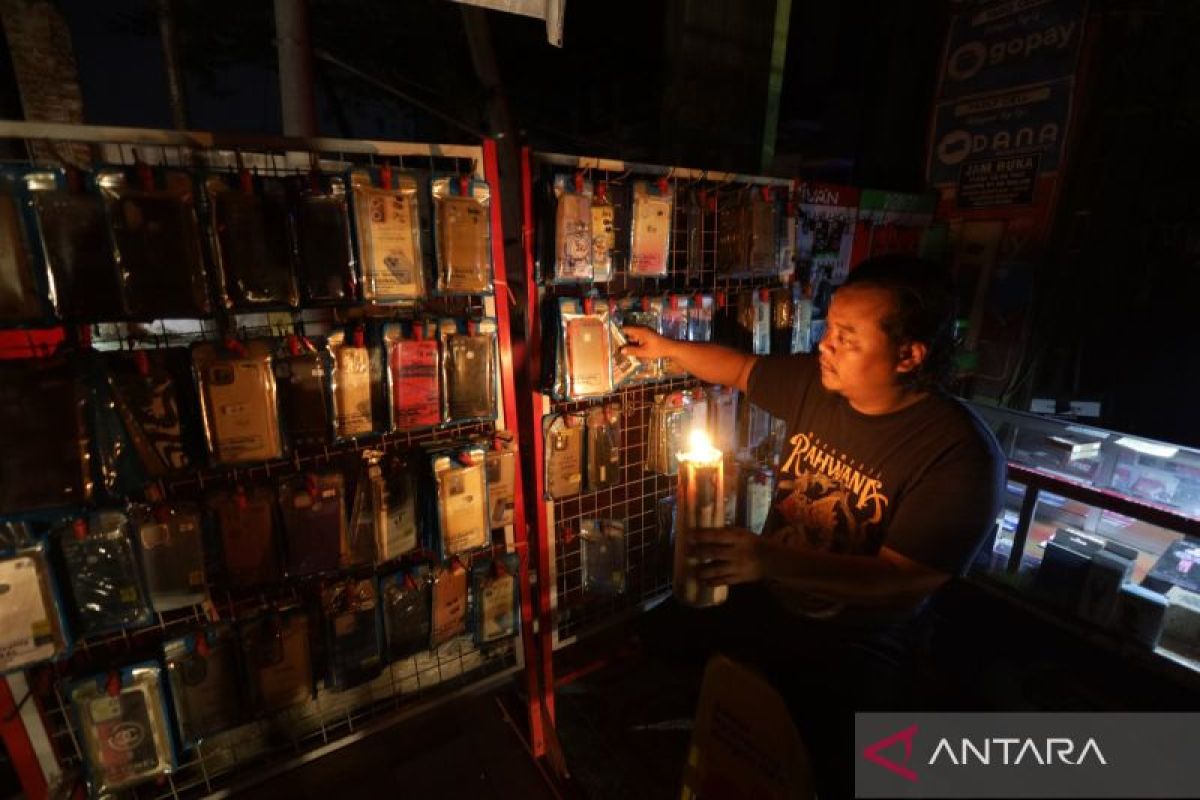
The chairman of PLN Watch, KRT Tohom Purba, has assessed that the blackouts occurring in several areas of Java should be a momentum to strengthen the reliability of the electricity system through an evaluation of the entire supply chain and electricity infrastructure.
In a statement in Jakarta on Wednesday, Tohom said this evaluation needs to cover the primary energy supply, plant readiness, transmission and distribution networks, backup systems, and crisis communication mechanisms to customers. This step is important to ensure the quality of electricity services to the public continues to improve.
He stressed that electricity disruptions need to be viewed as part of the process of strengthening a more robust system, considering that electricity is a basic infrastructure supporting various strategic activities, from the economy, education, health, industry, to public services.
“Blackouts must become a momentum for a thorough audit of the electricity system, so that the potential for similar disruptions can be minimised in the future,” Tohom said.
Tohom explained that the national electricity system is a complex network, as it involves primary energy supply, generation, transmission, distribution, protection systems, and the ever-increasing electricity load demand in line with economic growth and public activity. Therefore, according to him, every disruption needs to be evaluated comprehensively so that corrective measures are not only short-term but also capable of improving the system’s resilience in the long term.
He assessed that strengthening risk management, network modernisation, and increasing backup system capacity are important aspects in the future development of the national electricity sector.
In addition to technical improvements, Tohom also emphasised the importance of information transparency to customers to maintain public trust, especially when service disruptions occur. According to him, the public needs to receive fast and easy-to-understand information regarding affected areas, estimated recovery times, complaint services, and compensation mechanisms in accordance with applicable regulations.
“Good public communication can help the public understand the situation while supporting the service recovery process,” he said.
He also encouraged the optimisation of digital platforms to accelerate information delivery to customers and improve the quality of electricity services.
Furthermore, Tohom reminded that the electricity sector has a strategic role in supporting national resilience because it is the backbone of various economic and social activities of the community. According to him, the national electricity issue is not only related to company operations but also concerns the sustainability of industrial activities, health services, education, and the economic productivity of the community.
He invited all stakeholders to continue overseeing improvements in the electricity sector through constructive and data-based input to support the increased reliability of the national electricity supply. “What needs to be pushed is measurable improvement so that the electricity system becomes more reliable and capable of supporting the needs of the community and national development,” Tohom said.