
PLN UIP2B JAMALI’s Strategy for Managing the Renewable Energy Transition
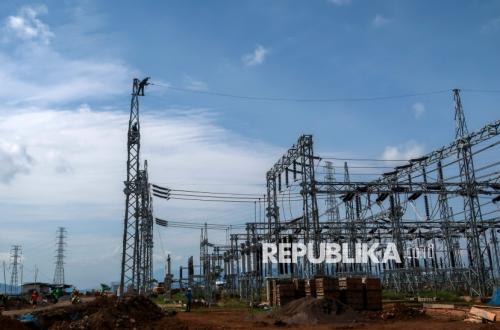
The development of solar power plants (PLTS) is now an important part of the national energy transformation strategy. President Prabowo Subianto has launched a programme to build solar power plants with a total capacity of 100 gigawatt-peak (GWp) across Indonesia.
Eleven of the 14 initial solar power projects are in Java and Bali. As the unit responsible for managing the electricity system in Java, Madura and Bali, PLN’s Java, Madura and Bali Load Dispatch Centre (UIP2B JAMALI), together with its subordinate operating units, is continuing to strengthen system readiness in anticipation of growth in new and renewable energy generation.
PLN UIP2B JAMALI General Manager Munawwar Furqan said the electricity system was becoming increasingly dynamic. Rising demand, changes in generation patterns, the digitalisation of operations and the growing share of new and renewable energy all require system management to keep adapting.
“Energy transformation is not just about adding new and renewable power plants; it is also about ensuring the system can manage the characteristics of an increasingly diverse generation mix. PLN is therefore continuing to prepare its technology, operating processes and workforce skills so the system is ready for greater penetration of new and renewable energy,” Munawwar said.
Unlike conventional power plants, solar power generation is affected by sunlight intensity and weather conditions, and can therefore vary over time. These dynamics must be taken into account in managing the electricity system, particularly to maintain a balance between generation supply and electricity demand.
To anticipate these changes, PLN UIP2B JAMALI is strengthening technology-based monitoring and control of the system. One of its main initiatives is the modernisation of its Supervisory Control and Data Acquisition–Energy Management System (SCADA-EMS).
The technology plays an important role in monitoring and controlling the power system, as well as supporting the real-time optimisation of its operations. The SCADA-EMS modernisation is being carried out in stages to ensure smooth operations in the field.
Migration from the old system to the new one was completed on 3 June 2026, and the system has now entered the parallel operation stage. Each phase is being conducted in an orderly manner, with various risk-mitigation measures in place to avoid disrupting the continuity of electricity supplies to customers.
Full implementation of the modern system is targeted for completion by the end of 2026. The initiative is part of efforts to prepare control technology capable of keeping pace with an increasingly complex and dynamic electricity system.
Readiness is being developed not only through technology, but also through the regular preparation and evaluation of operating plans. System controllers need to understand changes in generation, grid conditions and demand in order to determine appropriate operating plans.