
PLN Successfully Restores Flores Electricity System After Earthquake, All Customers Back Online
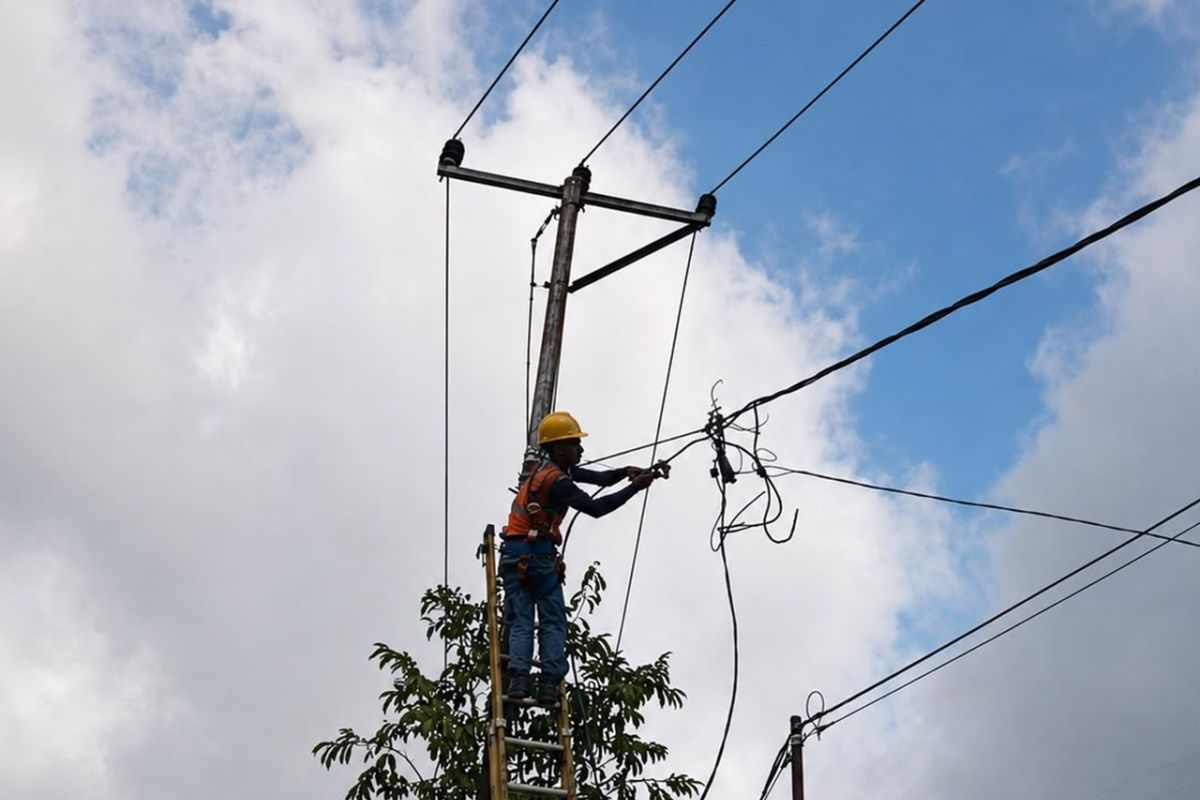
Labuan Bajo (ANTARA) – PT PLN (Persero) has successfully restored the electricity system in Flores, East Nusa Tenggara (NTT), following a magnitude 7.7 earthquake. On Tuesday (18/8) at 17.40 WITA, all customers previously affected had regained access to electricity supply.
Governor of East Nusa Tenggara, Emanuel Melkiades Laka Lena, expressed appreciation to PLN for its swift response in restoring the electricity system after the earthquake in the Flores Sea.
“On behalf of the government and people of East Nusa Tenggara Province, I would like to thank PLN, both the Board of Directors at the central level and the General Manager in NTT, particularly in the Flores region, along with all field teams who have worked exceptionally from the first day until now to restore electricity in Flores and the surrounding islands so that it can be used properly again by the community,” said Melki.
PLN President Director, Darmawan Prasodjo, said that the completion of the Flores electricity system restoration is part of PLN’s efforts to remain present for the community, especially in post-disaster situations.
“Alhamdulillah, we have been able to complete the restoration of the electricity system in Flores. Since the earthquake occurred, our PLN colleagues immediately moved, working day and night, visiting affected locations one by one. It was not easy, but the spirit was singular: how to get electricity back to normal and enable the community to resume their activities as soon as possible,” said Darmawan.
Darmawan noted that the restoration process was also inseparable from the support of various parties who helped PLN deal with the post-disaster conditions.
“We did not work alone. We would like to thank the Ministry of Energy and Mineral Resources (ESDM) for its support and coordination during this restoration process. We also express our appreciation to the regional government, the Regional Disaster Management Agency (BPBD), the Indonesian National Armed Forces (TNI), the Indonesian National Police (Polri), and the community who helped on the ground. Some helped open access, provided information about the condition of the area, and supported officers during the restoration. It is this spirit of mutual cooperation that enabled us to get through this difficult situation together,” said Darmawan.
Darmawan added that the full restoration of the electricity system also supports the recovery of community activities and the tourism sector in Labuan Bajo.
“The restoration of electricity in Labuan Bajo is part of PLN’s support for the continuity of economic and tourism activities in this Super Priority Tourism Destination (DPSP) area. We want to ensure that electricity continues to support Labuan Bajo as one of the main gateways for tourism in Eastern Indonesia,” Darmawan continued.
General Manager of PLN’s East Nusa Tenggara Regional Main Unit, F. Eko Sulistyono, explained that the restoration process was carried out in stages by deploying personnel, materials, and equipment to a number of affected locations.
“Since the earthquake occurred, we immediately conducted an assessment of the network conditions in all affected areas. We deployed 1,144 personnel to carry out security, repairs, and gradual normalisation,” said Eko.
He explained that the restoration process also faced a number of challenges in the field, such as access to several locations that experienced difficulties due to the impact of the earthquake.
“Officers had to inspect point by point before the network could be normalised again. In several locations, the condition of access and affected infrastructure posed particular challenges. We continued to mobilise personnel, materials, and equipment so that each point could be addressed quickly while prioritising safety,” he explained.
Eko added that after the entire Flores electricity system was 100 percent restored, PLN remains on standby with personnel to monitor network conditions and anticipate potential further disruptions.
Amid the restoration process, PLN also distributed aid to affected communities through its Social and Environmental Responsibility (TJSL) programme. The distribution of aid was carried out in coordination with BPBD, regional governments, social services, and security forces to reach communities according to their needs in each location.
“In situations like this, the most important thing is how we can help ease the burden on the community. In addition to field officers continuing to restore electricity, we also distributed aid in the form of emergency lighting facilities, food and logistics packages, health and medical packages, special packages for toddlers and children, as well as hygiene and sanitation packages,” concluded Eko.