
PLN Reports 12 Percent Drop in Power Outage Duration in Papua
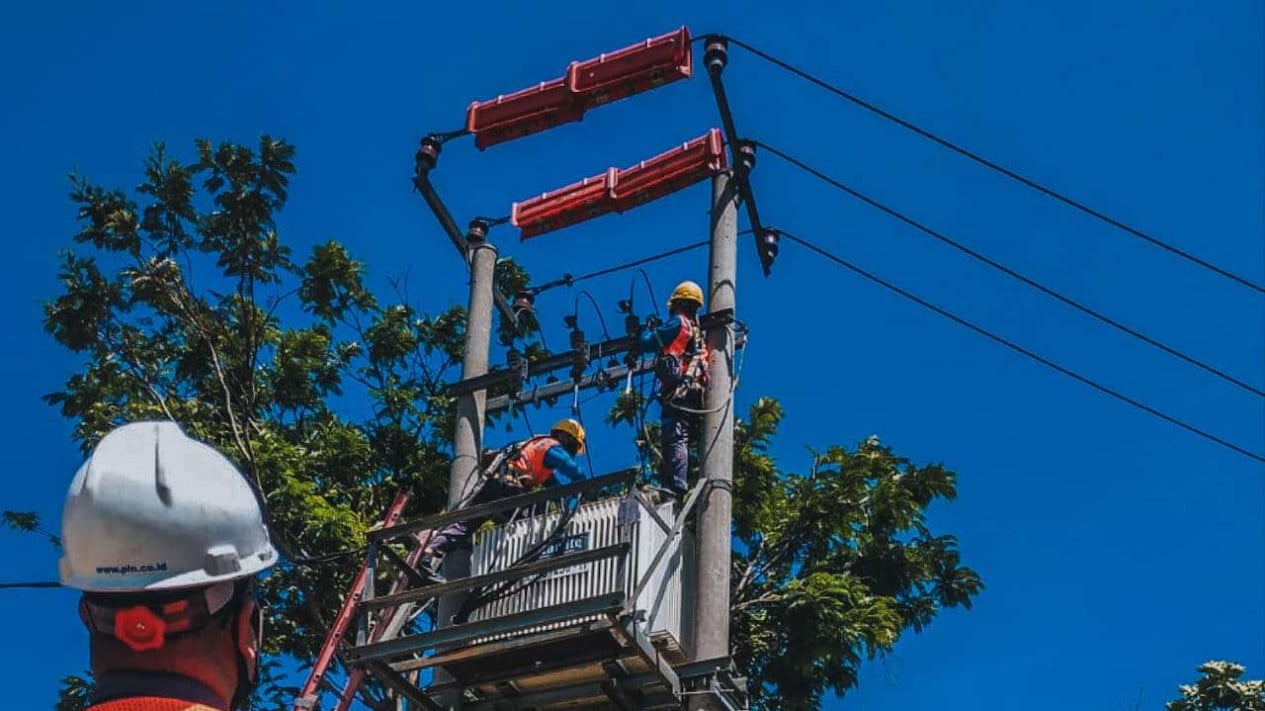
PT PLN has recorded a 12 percent decrease in the duration of power outages per customer in Papua during the first semester of 2026, a result of strengthening the electricity system and improving service reliability. General Manager of PT PLN (Persero) UIW Papua and West Papua, Roberth Rumsaur, stated in Jayapura that this achievement demonstrates the company’s efforts to enhance the quality of electricity supply to the public are yielding results. “This reduction in outage duration is the outcome of various strategic measures we have implemented, ranging from infrastructure reinforcement and regular network maintenance to improving the readiness of field officers,” Roberth said on Sunday, 26 June 2026. Roberth added that besides reducing outage duration, PLN also succeeded in suppressing the frequency of power outages per customer by up to 43 percent compared to the same period the previous year. “This achievement serves as an indicator of the increased reliability of the electricity system in our working areas, namely Papua and West Papua,” he said. He explained that the improvement in service quality is evidenced by the System Average Interruption Duration Index (SAIDI), which has been successfully reduced to 102.37 minutes per customer. “This figure dropped drastically by 12 percent compared to May last year, which reached 116.34 minutes, while also successfully surpassing the company’s reliability target of 122.4 minutes per customer,” he stated. He added that simultaneously, the System Average Interruption Frequency Index (SAIFI) was successfully reduced to 0.99 times per customer in the May 2026 period, against the company’s target of 1.76 times per customer. “The company managed to cut the intensity of disruptions by 43.10 percent compared to May last year, which reached 1.74 times per customer,” he said. He explained that the company will continue to strengthen the electricity system through preventive maintenance programmes, increasing equipment capacity, and developing infrastructure to meet the community’s growing electricity needs.