
PLN IP prepares 268 power generation projects totalling 30.2 GW to support energy transition
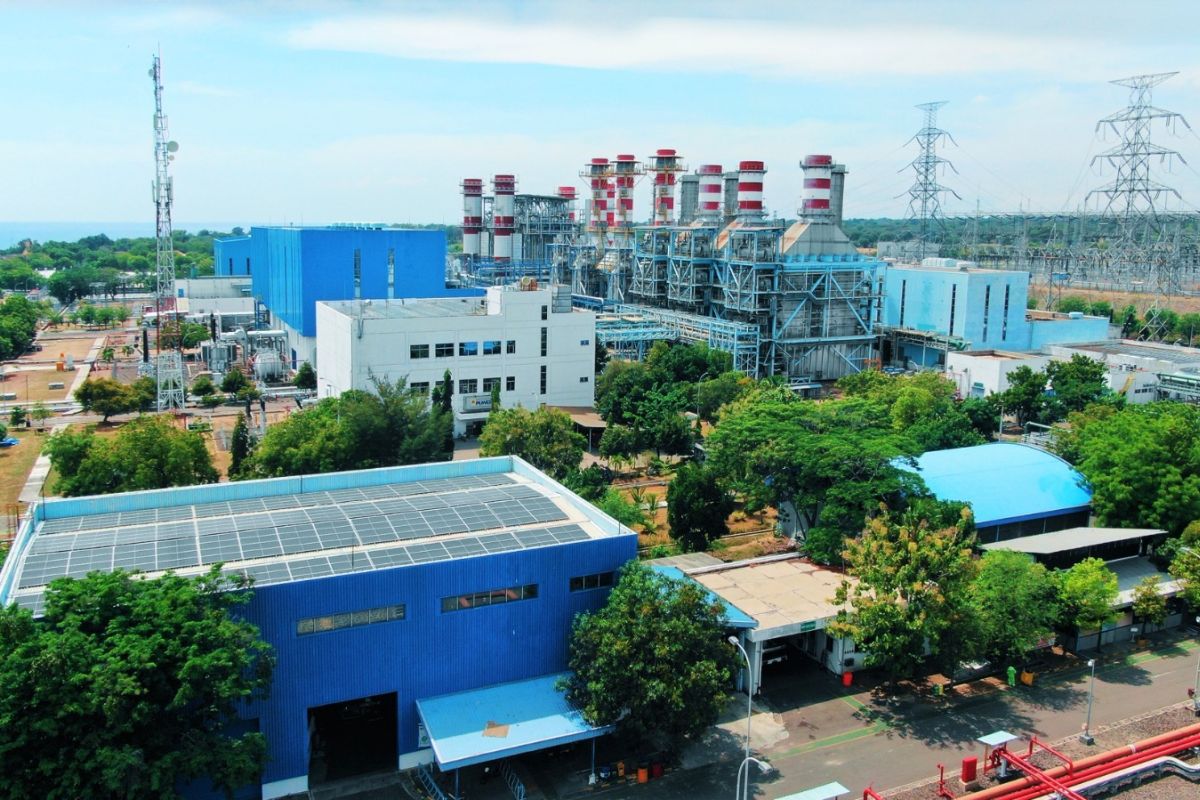
Jakarta — PT PLN Indonesia Power (PLN IP) is preparing 268 power generation projects with a total capacity of 30.2 GW to support national energy transition and energy security.
Chief Executive of PLN IP Bernadus Sudarmanta stated in Jakarta on Thursday that the company continues to strengthen its commitment to supporting national energy transition through the development of cleaner, more efficient and sustainable power generation facilities.
“Through the implementation of the 2025-2034 Electricity Supply Business Plan (RUPTL), the company is preparing the development of 268 power generation projects with a total additional capacity of 30,276.2 MW distributed across various regions of Indonesia,” he said.
According to him, the development of these generation projects is an important part of strengthening national energy resilience whilst supporting government efforts to achieve energy self-sufficiency and driving national economic growth towards Golden Indonesia 2045.
Bernadus said the power plant development plan represents part of PLN IP’s strategic transformation to deliver an increasingly environmentally friendly generation system.
“PLN Indonesia Power is committed to becoming one of the main drivers of national energy transition. Through the development of new generation facilities increasingly dominated by renewable energy as well as decarbonisation efforts on existing facilities, we are confident that we can support Indonesia’s net zero emissions target by 2060,” he said.
Of the total development plan, approximately 28 GW comes from the 2025 RUPTL allocation, whilst 2.2 GW represents projects that have previously received assignment.
Overall, the programme comprises 268 power generation projects, consisting of 255 projects in the 2025 RUPTL allocation and 13 projects that have previously received assignment.
In the roadmap towards net zero emissions (NZE) in 2060, PLN Indonesia Power is targeting a phased transformation of generation capacity from approximately 23 GW in 2025 to 107 GW in 2060.
“This transformation is undertaken through two main initiatives: the development of new generation facilities with low emissions to zero carbon and the optimisation of existing generation facilities to be more efficient and lower emissions,” he explained.
In addition to building new power plants, Bernadus added that the company is also undertaking various decarbonisation efforts on existing operating facilities.
These steps include biomass cofiring implementation, hydrogen utilisation and biofuel (BBN) or biofuel, as well as the development of carbon capture, utilisation and storage (CCUS) technology.
“With this approach, energy transition can be carried out gradually without reducing the reliability of the electrical system,” Bernadus said.
In the plan through 2034, new and renewable energy (EBT) becomes one of the main focuses of PLN IP’s generation portfolio development, including solar power plants, hydroelectric power plants, wind power plants and geothermal power plants, as well as strengthening energy storage technology through battery energy storage systems (BESS) to support the integration of renewable energy in the national electrical system.
The generation projects are distributed across all regions of Indonesia to support equitable energy infrastructure development whilst strengthening national energy resilience.
According to Bernadus, the success of this power generation development programme also depends heavily on collaboration from various stakeholders.
“We are open to extensive cooperation opportunities with various strategic partners, both domestic and foreign, to accelerate the realisation of these power generation projects. Collaboration is key to delivering a reliable, sustainable electrical system capable of supporting national economic growth,” he said.
Through these strategic steps, Bernadus continued, PLN Indonesia Power is confident it can strengthen its role as a generation company that is adaptive to the challenges of energy transition whilst contributing to the realisation of a cleaner and more sustainable energy system in Indonesia.