
PLN Installs New Technology, East Java Electricity Becomes More Resilient to Disruptions
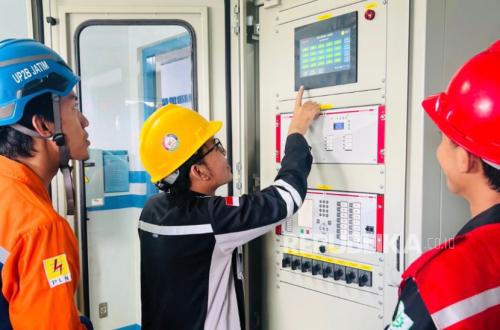
PLN is strengthening the reliability of electricity in East Java’s industrial areas by installing 50 data concentrator units. This new system has been fitted on the Krian-Gresik network to accelerate disruption detection and maintain stable supply.
This step is considered crucial because the Surabaya, Gresik, and Madura regions have high electricity demands and are sensitive to even the smallest disruptions.
PLN UIP2B Jamali, through PLN UP2B East Java, installed the devices on the Adaptive Defense Scheme (ADS) system. This system allows real-time network monitoring, enabling potential disruptions to be detected more quickly.
Data concentrators function as central hubs for collecting data from various network points. The information is immediately sent to the control system for automatic analysis and to ensure rapid responses to anomalies.
With this system, local disruptions can be prevented from developing into wider blackouts. The ADS technology serves as the primary defence layer in maintaining the stability of East Java’s power system.
General Manager of PLN UIP2B Jamali, Munawwar Furqan, stated that strengthening the system is a strategic step to meet energy needs in industrial areas. “This strengthening of the electricity system is a strategic step to ensure reliable power supply, especially in areas with high industrial growth. We want to ensure that the system we build can handle the dynamics of future energy needs,” said Munawwar on Friday (17/4/2026).
He added that this investment is part of PLN’s long-term efforts to support economic growth. “This is not just about today, but how we prepare a resilient system to support sustainable regional economic growth,” he said.
Manager of UP2B East Java, Ahmad Murdani, stated that this technology improves response speed to network disruptions. “With the data concentrators, we can monitor network conditions in real-time and respond more quickly to potential disruptions. This greatly helps in maintaining electricity system stability,” explained Ahmad.
According to Ahmad, this innovation is part of the transformation towards a more adaptive electricity system. “We continue to develop systems that are more adaptive to changes in electricity load. The goal is to provide reliable, efficient, and sustainable services to all customers,” he said.
All 50 units of the equipment are now installed and operating optimally in the field. Improved network visibility helps officers make faster decisions during disruptions.
PLN considers this modernisation important for reducing blackout risks, especially in dense industrial areas like Surabaya and Gresik. Electricity reliability is a key factor in keeping economic activities running.
In the future, PLN will continue to develop similar technologies in various strategic areas. This step is part of efforts to build a more resilient national electricity system.