
PLN Indonesia Power produces 1,101.59 GWh of biomass-based clean energy in 2025
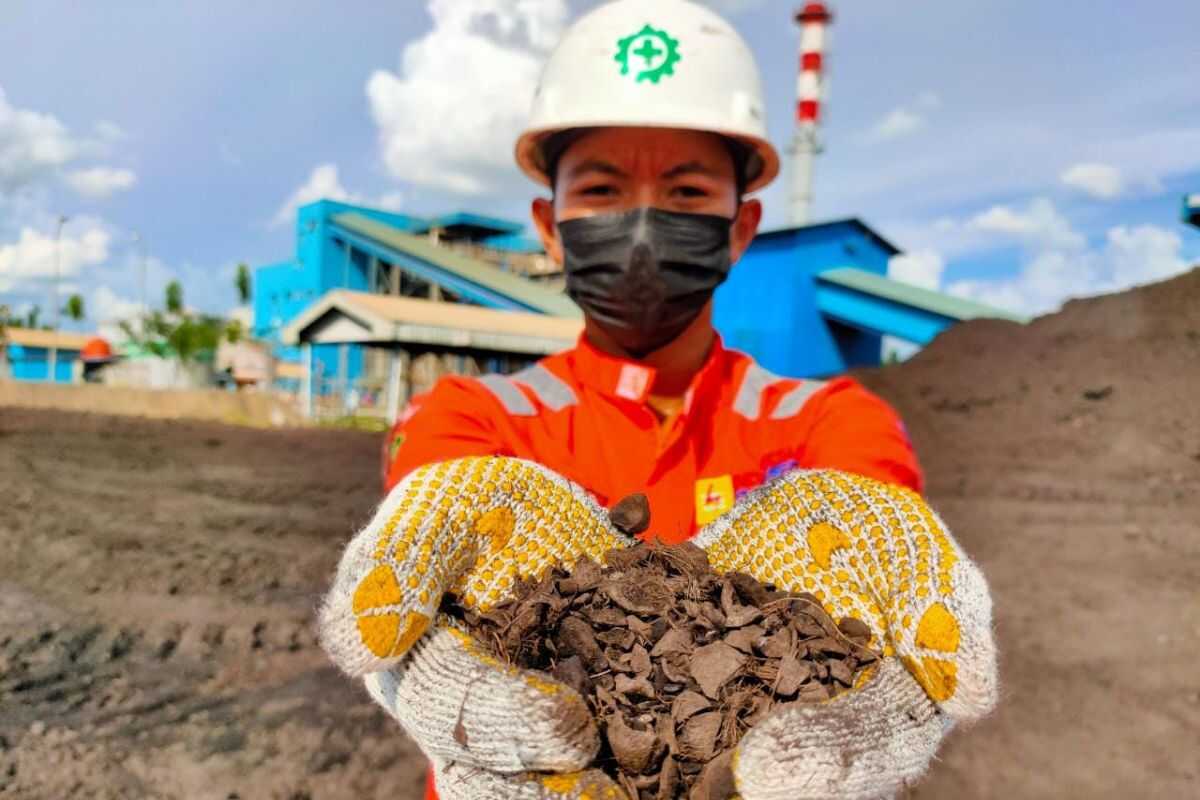
Jakarta — PT PLN Indonesia Power (PLN IP) registered biomass-based clean energy production of 1,101.59 GWh in 2025, up 16 percent from 2024. Chief Executive Bernadus Sudarmanta, in a statement in Jakarta on Friday, said this achievement resulted from optimising the implementation of the co-firing programme with biomass across all steam power plants (PLTU) managed by the company. “Clean energy production was generated through the utilisation of 1,140,253 tonnes of biomass,” he said. The biomass sources come from various agricultural and industrial wastes, including sawdust, palm kernel shell, empty fruit bunch pellets, rice husk, woodchip, wood pellet, corn cob, waste from used banknote processing, and solid briquette fuel. “The utilisation of biomass this also strengthens the implementation of the circular economy principle by converting waste into a more environmentally friendly alternative energy source,” he explained. Parallel to this, Bernadus continued, the co-firing implementation has significantly contributed to reductions in carbon emissions. By the end of 2025, PLN IP had achieved CO2 avoidance of 1,259,696 tonnes, an increase of 16 percent from 2024 as part of support for the national emissions reduction target and the expansion of the renewable energy mix (EBT). Bernadus also said this achievement reflects the company’s consistency in delivering measurable and sustainable energy transition solutions. “The biomass-based clean energy production of 1,101.59 GWh is evidence of PLN Indonesia Power’s commitment to accelerating the green energy mix, while ensuring the reliability of the power system remains safeguarded,” he said. The company’s co-firing implementation is conducted prudently, gradually, and on a risk-management basis, so that decarbonisation does not disrupt the stability of the national electricity supply, he added. Further, Bernadus emphasised that the biomass utilisation strategy not only impacts environmental aspects but also creates economic added value by strengthening the domestic supply chain and empowering the agricultural and waste-processing sectors. “Going forward, PLN Indonesia Power will continue to scale up and improve the quality of co-firing implementation as part of the corporation’s energy transition roadmap. We are committed to creating sustainable value for shareholders and all stakeholders, in line with national EBT targets and long-term decarbonisation aspirations,” he added. Through this achievement, Bernadus said, PLN IP underlines its role as a generation company that is adaptive and sustainability-oriented, integrating operational reliability and environmental responsibility into every business strategy.