
PLN guarantees full electricity absorption from waste-to-energy plants for 30 years
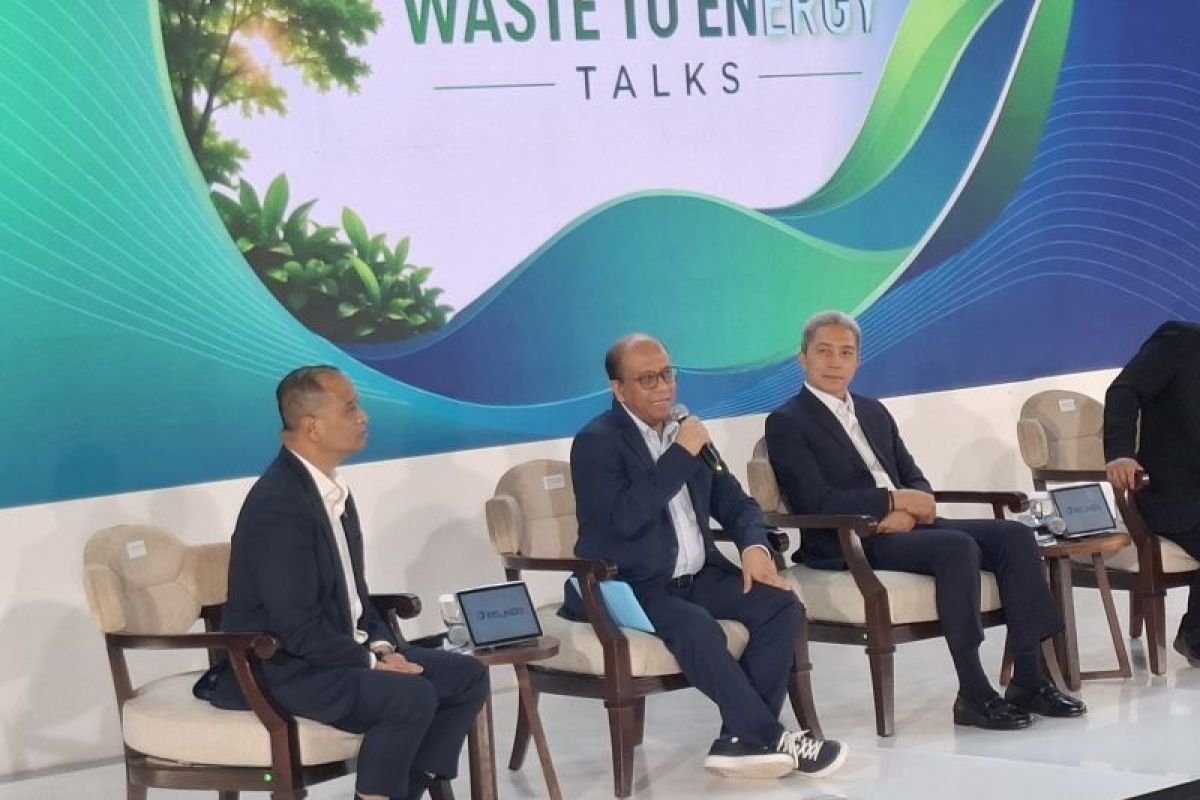
PT PLN (Persero) has guaranteed the absorption of all electricity produced by Waste-to-Energy (PSEL) projects throughout a 30-year agreement period, providing certainty for the implementation of waste processing projects in various regions. “PLN, as the offtaker, can guarantee partners that 100 per cent of the electricity will be purchased, regardless of the production volume,” said Suroso Isnandar, Director of Project Management and New Renewable Energy at PT PLN (Persero), during the Waste to Energy Talks: Reducing Waste, Powering the Future event in Jakarta on Thursday. Suroso stated that the purchase certainty is supported by Presidential Regulation No. 109 of 2025 concerning Urban Waste Management through Environmentally Friendly Technology-Based Waste-to-Renewable Energy Processing. According to him, the regulation sets the purchase price of electricity from PSEL facilities at 20 US cents (approximately Rp3,600) per kilowatt-hour for a 30-year term. “With this presidential regulation, business certainty can be guaranteed,” he said. Under the PSEL scheme, PLN acts as the offtaker purchasing electricity generated from waste processing through a Power Purchase Agreement (PPA). This role is part of the mechanism prepared by the government to support the development of PSEL projects. Suroso explained that PLN, together with the Daya Anagata Nusantara Investment Authority (Danantara) and prospective project partners, has identified various risks in PSEL construction, including the continuity and quality of waste supply as fuel for the power plants. He stressed that the facilities must use waste as the primary fuel and are not permitted to substitute it with other fuels. “One thing we ensure is that, because this power plant is primarily for waste processing, the fuel must genuinely be waste and cannot be substituted with other fuels,” he said. However, PLN has confirmed that variations in production will not disrupt the national electricity system, as network capacity has been calculated to accommodate the variable output of the plants. “Whatever amount is produced by these waste-to-energy plants, we will absorb it, so we are confident the electricity system will not be disturbed by fluctuations in output from these waste-fired power plants,” Suroso remarked. He added that PSEL will expand PLN’s energy source portfolio while supporting emergency waste management in several urban areas. The programme is also aligned with the company’s energy transition agenda towards a net-zero emissions target by 2060. Suroso further noted that long-term electricity purchase commitments are not new for PLN, as the company has previously entered into power purchase agreements for various types of power plants with contract durations exceeding 30 years. “Partners need not worry that PLN’s 30-year commitment will be well maintained,” he concluded.