
PLN EPI targets development of BioCNG from palm oil waste this year
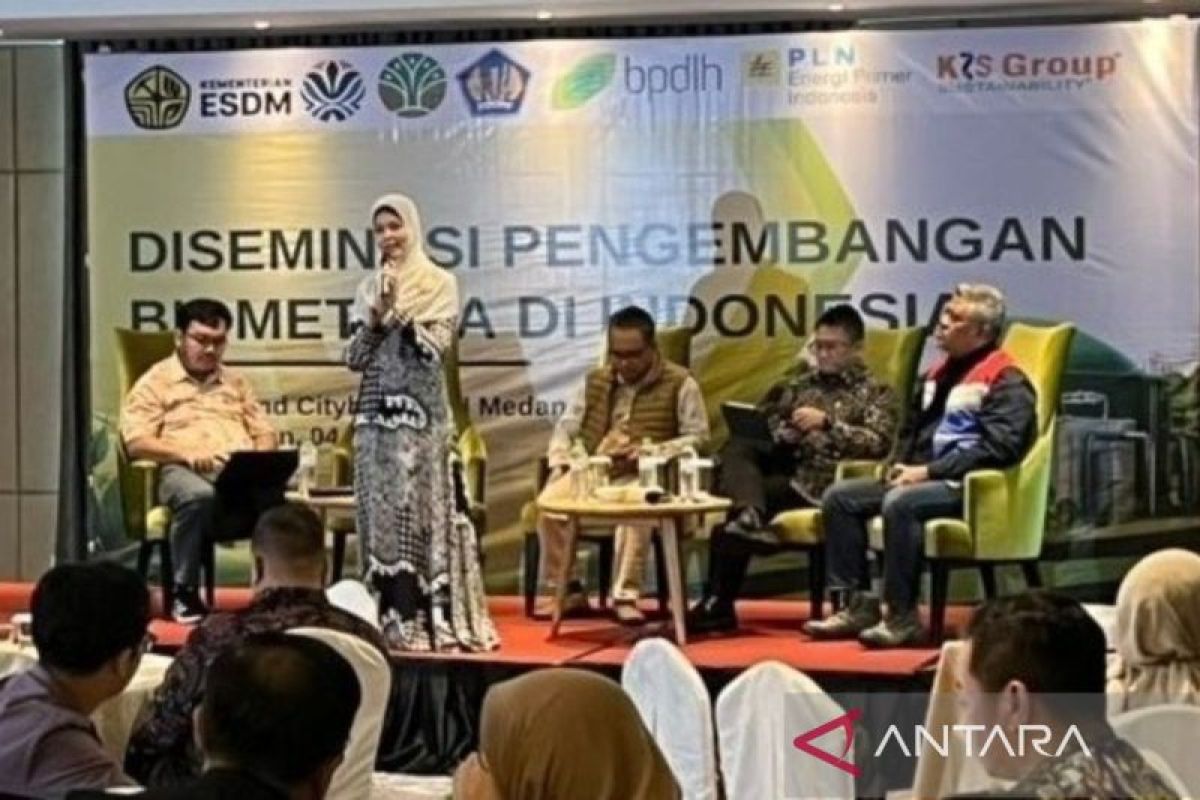
PT PLN Energi Primer Indonesia (PLN EPI) is targeting the development of Bio-Compressed Natural Gas (Bio-CNG) from palm oil waste this year through cooperation contracts as part of green energy diversification. PLN EPI Biomass Director Hokkop Situngkir stated after attending a dissemination event on biomethane development in Medan, North Sumatra, that the company is investing in partnerships with palm oil plantation concession holders. He explained that waste such as Palm Oil Mill Effluent (POME) would be processed jointly to produce biomethane, which can then be converted into Bio-CNG for power generation. Hokkop said the company is currently engaging hundreds of palm oil mills in North Sumatra, having already secured a technology partner and clean energy transition financing. He expressed hope for a positive reception from the numerous palm oil mill operators in the province. PLN EPI has already established cooperation with PT KIS Biofuels Indonesia, a pioneer developer of renewable energy technology that converts palm oil waste into Bio-CNG. The firm has been independently processing dark-coloured liquid palm oil waste containing organic compounds which, if left untreated, can turn into methane gas. Hokkop noted that this particular cooperation does not yet include the palm oil mills themselves, despite North Sumatra’s immense potential, and that partnerships with mills there are the expected outcome following the dissemination event. According to 2023 data from the national statistics agency BPS, there are 327 palm oil plantation companies operating in North Sumatra, including 237 palm oil mills with processing facilities. Meanwhile, the Indonesian government is pursuing national energy independence through renewable energy instruments in response to uncertain global geopolitical conditions. Special Presidential Envoy for Climate and Energy Hashim Djojohadikusumo stated in Samarinda, East Kalimantan, that the increasingly complicated geopolitical situation due to the war involving Iran, Israel and the United States is affecting the fulfilment of the country’s energy needs. He noted that the closure of the Strait of Hormuz is causing direct negative impacts worldwide. Despite this, Hashim said President Prabowo Subianto has successfully secured a supply commitment from Russia, with President Vladimir Putin agreeing to ship 150 million barrels of oil to Indonesia this year. Hashim described the strategic agreement as crucial for guaranteeing domestic energy supply security and ensuring that national fuel price stability is maintained.