
PLN EPI Targets Biomass Use of 10 Million Tonnes a Year
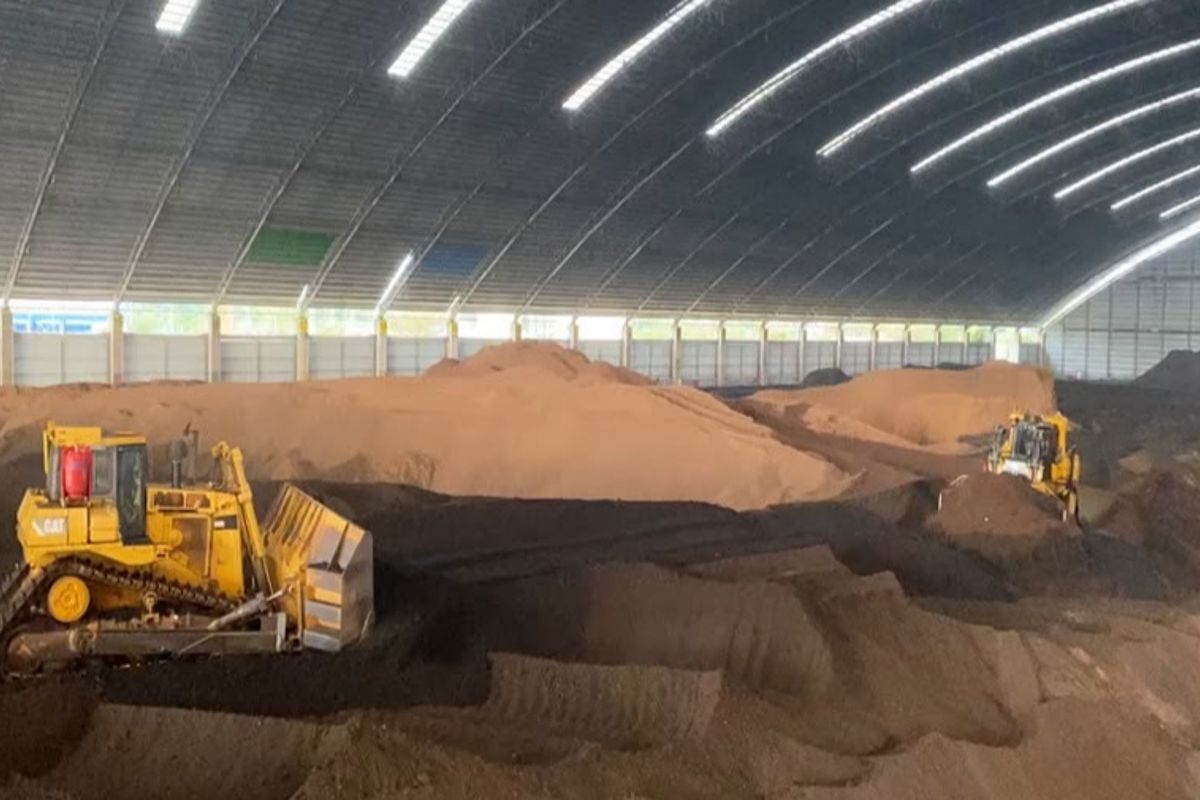
Jakarta (ANTARA) — PT PLN Energi Primer Indonesia (PLN EPI) is targeting the use of up to 10 million tonnes of biomass a year as fuel for power plants, while opening up the possibility of creating 150,000 green jobs.
“Based on power plant technology, we are promoting biomass use of up to 10 per cent for PC (pulverised coal) plants, more than 25 per cent for CFB (circulating fluidised bed) plants and more than 70 per cent for stoker plants. If all that potential is calculated, PLN’s biomass needs could reach around 8–10 million tonnes,” PLN EPI Biomass Director Hokkop Situngkir said in a statement received in Jakarta on Saturday.
Hokkop explained that increasing biomass use was part of PLN EPI’s strategy to accelerate the energy transition, reduce reliance on coal and create economic added value from agricultural, plantation and forestry waste.
Since it was first implemented in 2020, the co-firing programme has continued to expand. By 2025, it had been implemented at 52 coal-fired power plants, with total biomass use reaching 2.352 million tonnes.
To support the increase, PLN EPI is continuing to improve biomass quality, particularly its calorific value, moisture content and material characteristics. Processing biomass into products such as wood pellets and wood chips is also part of efforts to make the fuel more suitable for power plant technologies.
PLN’s biomass use has recorded significant growth over the past five years. Co-firing volumes rose from 9,728 tonnes in 2020 to 282,581 tonnes in 2021, then to 585,663 tonnes in 2022 and 1.006 million tonnes in 2023. The figure increased again to 1.624 million tonnes in 2024 and 2.352 million tonnes in 2025.
As of 26 October 2026, actual biomass use had reached 1.842 million tonnes. Alongside the programme’s development, the number of biomass types used on a sustained basis increased from three in 2020 to 18 in October 2026.
The average calorific value of biomass also rose from 2,520 kilocalories per kilogram to 3,440 kilocalories per kilogram, reflecting efforts to improve fuel quality and support the optimisation of power plants.
PLN EPI has identified around 70 types of biomass that have been tested or used, 18 of which are now supplied to power plants on a sustained basis. They include corn cobs, rice husks, palm kernel shells, wood waste and various agricultural and plantation residues.
Despite the country’s substantial resource potential, biomass development in Indonesia still faces several challenges, including competition from export markets, a lack of processing facilities, high logistics costs and a supply chain that is not yet integrated from upstream to downstream.
PLN EPI is therefore calling for stronger policies to prioritise biomass use for domestic energy needs. Hokkop proposed allocating around 30 per cent of usable biomass potential to meet domestic demand.
Such a policy, he said, could help secure feedstock supplies, expand the scale of Indonesia’s biomass industry and support power generation biomass targets.
“We are not asking for all biomass production to be allocated to PLN. We are only asking for around 30 per cent for domestic needs. With that allocation, biomass use by PLN could potentially reach around 10 million tonnes,” he said.
Source: jawawa.id (https://jawawa.id/newsitem/pln-epi-targets-biomass-use-of-10-million-tonnes-a-year-1794041488)
Originally published by Antara (Indonesian) (https://www.antaranews.com/berita/5838399/pln-epi-bidik-pemanfaatan-biomassa-10-juta-ton-per-tahun), translated from Indonesian