
PLN EPI targets 60.6 million tonnes of biomass to expand bioenergy business
PT PLN Energi Primer Indonesia (PLN EPI) is targeting the utilisation of 60.6 million tonnes of unutilised biomass as a foundation for developing a future bioenergy ecosystem.
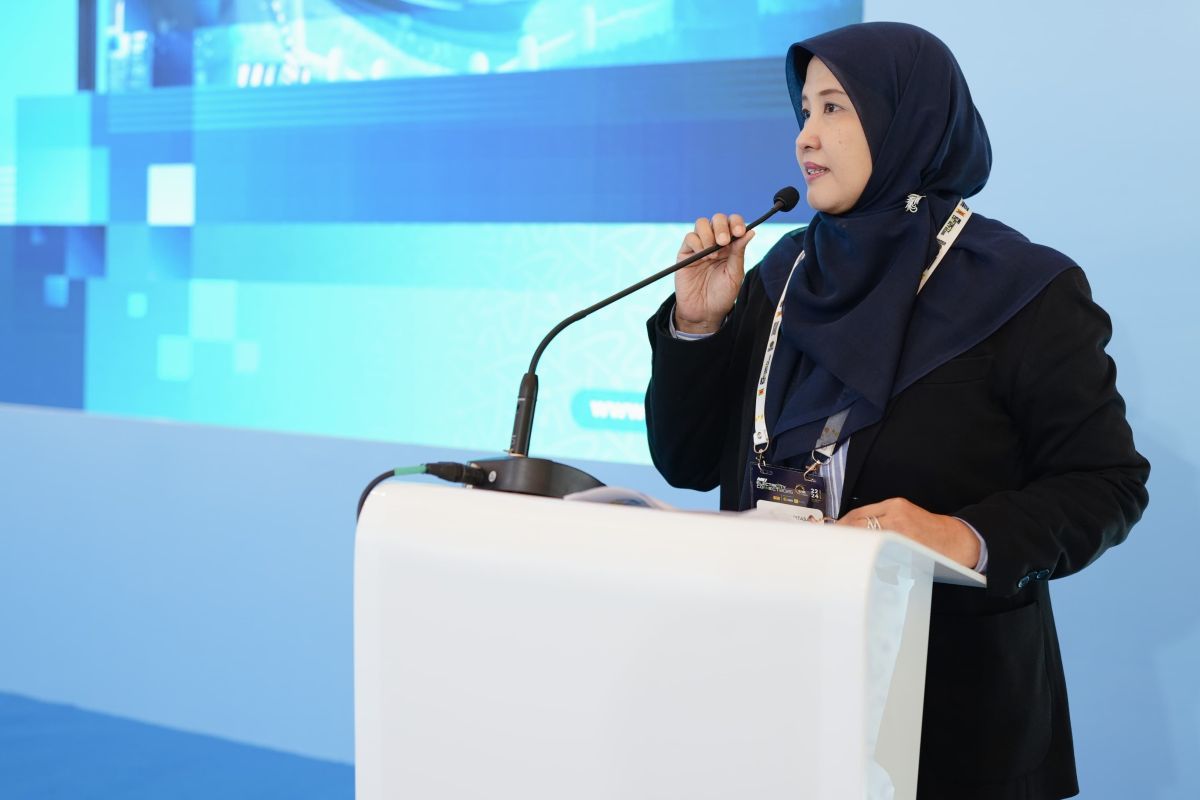
Anita Puspita Sari, VP of Strategy & Biomass Business Development at PLN EPI, stated in Jakarta on Thursday that the company is pushing for bioenergy development as a solution to support the energy transition while creating new business growth opportunities. This strategy was introduced at the Enlit Asia MKI Electricity Connect 2026 event, focusing on converting domestic resources into various energy products, ranging from biomass, biochar, syngas, and biohydrogen to compressed biogas (CBG), biofuel, and bioethanol.
This event also served as a momentum for PLN EPI to introduce its corporate transformation from a primary energy provider to an integrated primary energy solutions provider. This transformation expands PLN EPI’s capabilities from managing the supply of gas, fuel, coal, and biomass towards developing infrastructure, services, technological innovation, and energy solutions that support supply reliability and accelerate the energy transition.
Anita noted that Indonesia possesses vast bioenergy resources derived from agricultural, plantation, forestry, and industrial waste, as well as urban waste. “PLN EPI is developing bioenergy as a strategic pathway to transform Indonesia’s abundant domestic feedstock potential into sustainable energy solutions,” she said.
According to Anita, bioenergy development extends beyond using biomass as power plant fuel. Various types of feedstock can be processed into energy products and value-added products through different processes and technologies. PLN EPI has mapped several bioenergy development pathways, including biomass, biochar, syngas, biohydrogen, CBG, waste management, biofuel, and bioethanol. Biomass, with varying levels of processing, can support coal-fired power plant (PLTU) co-firing programmes, meet industrial needs, or target export markets.
With further processing, biochar can be produced through processes such as torrefaction and pyrolysis. Meanwhile, syngas is being developed through biomass gasification, which has the potential to support diesel-replacement programmes in oil-fired power plants. Anita added that PLN EPI also sees opportunities in biohydrogen development to meet industrial needs, including the fertiliser industry, and as a sustainable fuel for export markets. Additionally, CBG is identified as an alternative for co-firing with natural gas in gas-fired power plants. “The development of biofuels and bioethanol also opens opportunities for collaboration with other companies,” she noted.
In the electricity sector, biomass utilisation through co-firing is an existing implementation by PLN. This programme is directed at 52 coal-fired power plants with a total capacity of 18.9 gigawatts (GW). Co-firing allows biomass to be used by leveraging existing power plant infrastructure. Moving forward, Anita stated that PLN EPI’s bioenergy ecosystem is not only aimed at meeting PLN’s power plant needs but also has the potential to serve domestic industries, independent power producers (IPPs), and export markets.
This development is part of PLN EPI’s efforts to build a low-carbon business portfolio amidst the energy sector’s transformation. PLN EPI continues to maintain the reliability of its existing primary energy business, including coal, gas, and fuel, while strengthening bioenergy as a low-carbon growth platform. This strategy is aimed at supporting emission reductions, creating ESG value, and opening new business opportunities based on domestic resources.
Within the PLN Group, Anita continued, bioenergy development is part of the decarbonisation strategy towards Net Zero Emissions (NZE) by 2060, alongside the development of renewable energy, diesel-replacement, energy storage, hydrogen and ammonia, CCS/CCUS, and other generation technologies. “Through these developments, PLN EPI is driving bioenergy to evolve from being merely a power plant fuel source into an energy business ecosystem that connects domestic resource potential with the needs of electricity, industry, and fuel, as well as export markets, while strengthening PLN EPI’s transformation into an integrated primary energy solutions provider,” she explained.
Source: jawawa.id (https://jawawa.id/newsitem/pln-epi-targets-60-6-million-tonnes-of-biomass-to-expand-bioenergy-business-1790823517)
Originally published by Antara (Indonesian) (https://www.antaranews.com/berita/5765877/pln-epi-bidik-606-juta-ton-biomassa-untuk-kembangkan-bisnis-bioenergi), translated from Indonesian