
PLN EPI: Supply chain efficiency key to biomass utilisation success
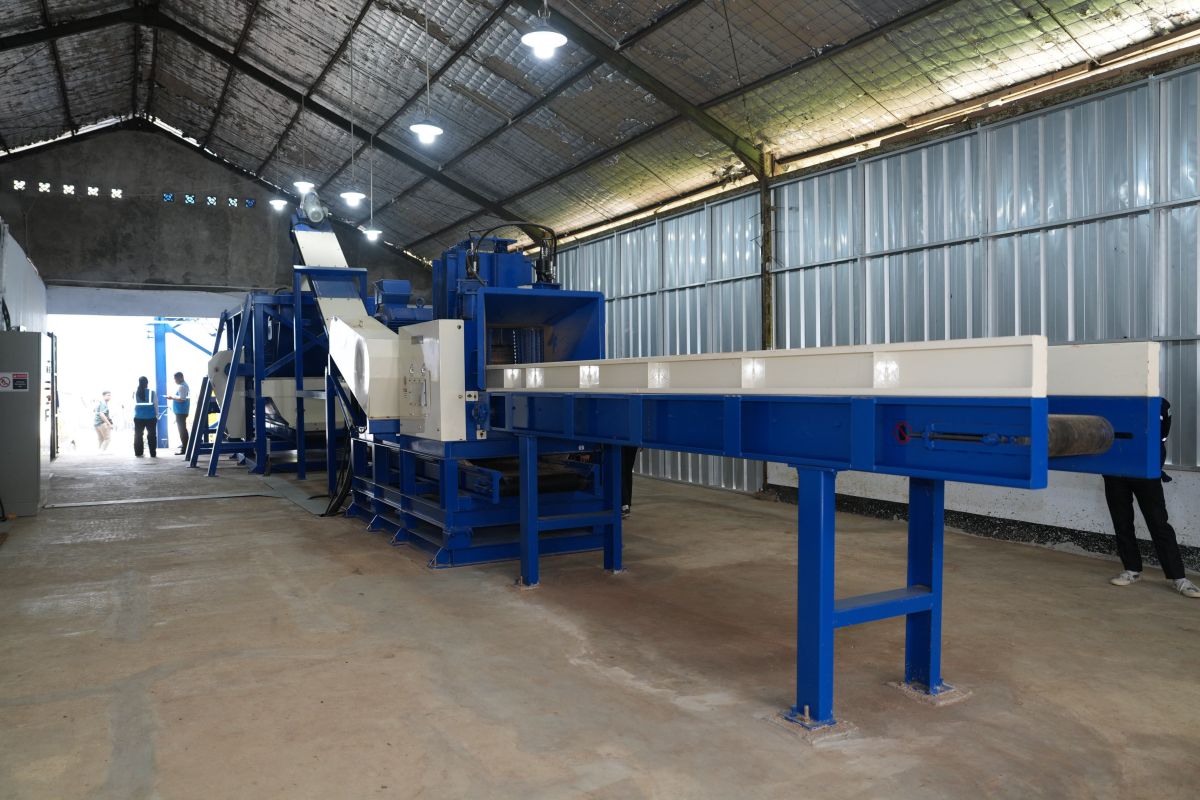
PT PLN Energi Primer Indonesia (PLN EPI) has stated that the successful utilisation of biomass for coal-fired power plants (PLTU) depends not only on the vast potential of raw materials, but also on an efficient supply chain, consistent fuel quality standards, and reliable processing infrastructure. PLN EPI Biomass Director Hokkop Situngkir explained in Jakarta on Tuesday that the company was established to guarantee the supply of primary energy for approximately 200 PLTUs, 200 gas-fired power plants, and 800 diesel power plants across Indonesia. “Around 90 per cent of power plants in Indonesia still use fossil energy. Therefore, we continue to expand the use of biomass as a coal substitute to support the decarbonisation agenda and the achievement of net zero emissions,” he said. According to Hokkop, all biomass utilised by PLN EPI comes from forestry, plantation, and agricultural industry residues, meaning it does not originate from logging or deforestation activities. This approach ensures that biomass development remains aligned with sustainability principles and the circular economy. “We utilise residues that previously had no economic value. Thus, biomass not only becomes an alternative energy source but also creates added value for the forestry and plantation sectors without sacrificing forest conservation,” he explained. He added that through proper processing and quality control, biomass can meet the technical specifications of power plants, enabling it to replace a portion of coal consumption without reducing the operational reliability of the PLTU. The implementation of PLN EPI’s co-firing programme continues to show improvement. Throughout 2025, the company supplied 2.35 million tonnes of biomass, contributing to an emission reduction of 2.72 million tonnes of CO2e. This amount is targeted to increase to 3.65 million tonnes in 2026 and 4.07 million tonnes in 2027 to support co-firing implementation at 52 PLTUs across various regions of Indonesia. Cumulatively, during the 2023-2026 period, PLN EPI has realised the provision of 4.77 million tonnes of biomass. The supply is dominated by wood-based biomass, primarily sawdust at 54.6 per cent and woodchip at 22.4 per cent, which meet the fuel specifications for power plants. Hokkop stated that the increase in supply volume must be accompanied by a comprehensive strengthening of the biomass ecosystem. “The main challenge lies not only in the availability of raw materials but also in processing capacity, quality standardisation, storage, and an efficient distribution system,” he said. To address these challenges, PLN EPI is developing a spoke-hub model that integrates raw material collection points (sub-hubs), production facilities (hubs), and main hubs as centres for processing, blending, storage, and quality control of biomass before distribution to power plants. This model is also strengthened through the Biomassa marketplace, a digital platform connecting suppliers with the biomass needs of each power plant. Currently, PLN EPI operates biomass processing facilities in Tasikmalaya and Ciamis, West Java, each with a capacity of 10 tonnes per hour. In the future, the company will expand its biomass hub network to Lebak, Lamongan, Blora, Cilegon, and Suralaya as part of strengthening the national biomass supply chain. By 2028, PLN EPI is targeting the construction of 15 main hubs across various regions of Indonesia through company investment and collaboration with strategic partners. This infrastructure is expected to guarantee quality and continuity of supply while improving the logistics efficiency of biomass for power plants throughout Indonesia. “Through strengthening standardisation, infrastructure development, and digitalisation of the biomass supply chain, PLN EPI continues to build an integrated bioenergy ecosystem from upstream to downstream,” Hokkop concluded.