
PLN EPI Strengthens Strategy for Decarbonisation and Sustainable Transition
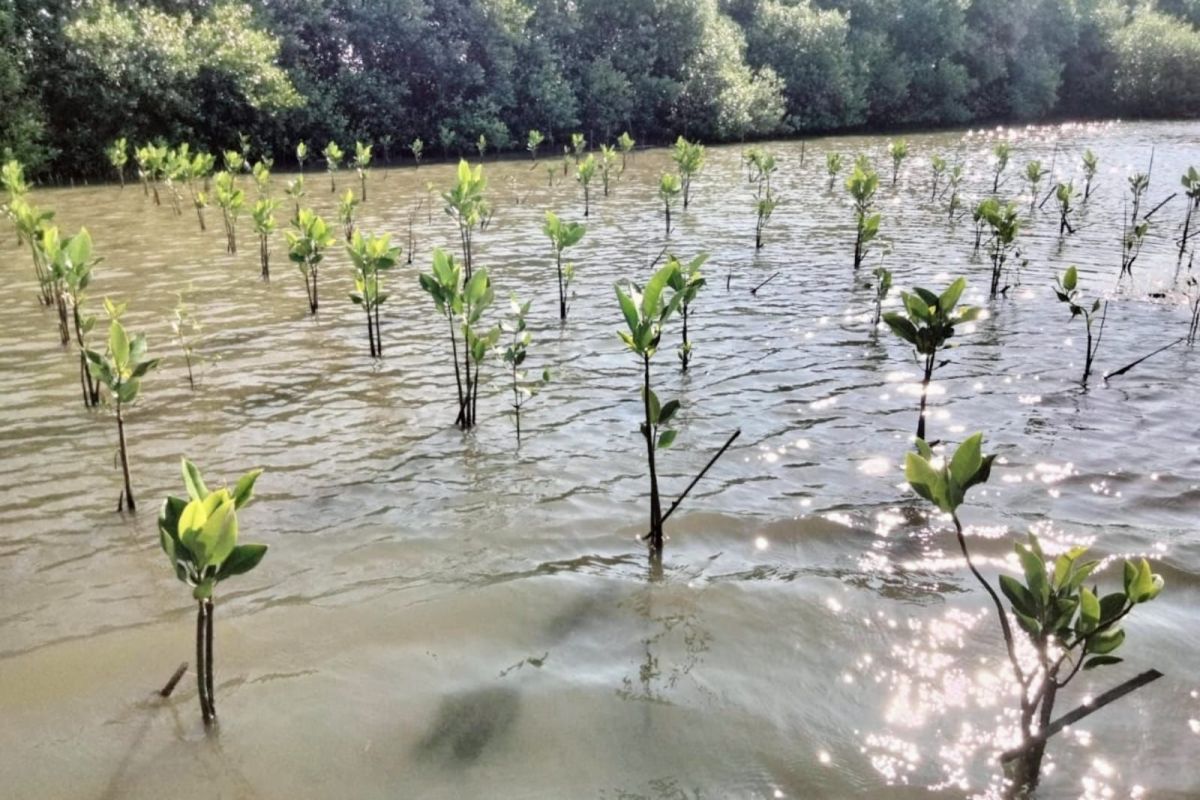
Jakarta ( ANTARA ) - PT PLN Energi Primer Indonesia (PLN EPI) is strengthening its strategy to support decarbonisation and sustainable energy transition nationwide. Vice President of Safety, Health, Work, and Environment (K3KL) at PLN EPI, Muhammad Aminuddin, stated in Jakarta on Tuesday that as a company managing primary energy, PLN EPI has a responsibility not only to maintain energy supply resilience but also to ensure business operations align with environmental sustainability, particularly in coastal areas where the company’s energy facilities are strategically located. “PLN EPI plays a strategic role in supporting national energy resilience. However, at the same time, we also have a responsibility to preserve coastal ecosystems, which are home to mangroves and seagrass beds that act as natural carbon absorbers or blue carbon,” Aminuddin said. To mark International Biodiversity Day 2026, PLN EPI hosted HSSE Talk #4 titled “Nature-Based Solutions for Decarbonisation: Unlocking the Power of Blue Carbon Ecosystems”. The virtual event held on Friday, May 22, 2026, was attended by PLN EPI Group management and staff as part of reinforcing the company’s sustainability culture. Aminuddin explained that mangrove and seagrass ecosystems can absorb carbon up to ten times more efficiently than terrestrial forests. This potential makes coastal ecosystems a key nature-based solution (NBS) for achieving national emissions reduction targets and Indonesia’s net-zero emissions commitment by 2060. Aminuddin added that future energy business development must be carried out with more responsible and sustainability-oriented approaches. He said that increasing regulatory demands, investor expectations, and the growth of the domestic carbon market present an opportunity for PLN EPI to strengthen its nature-positive business strategy. “PLN EPI must position itself as a pioneer in integrating nature-positive strategies into energy operations. Sustainability is no longer just an add-on but a critical component in building resilient and value-adding future energy businesses,” Aminuddin said. Senior Business Development Manager at CarbonEthics, Farhan Prastiyan, explained that nature-based solutions hold significant potential for climate change mitigation while generating economic and social benefits for coastal communities. According to Farhan, mangrove restoration, peatland conservation, and sustainable coastal management not only enhance carbon absorption capacity but also create new economic opportunities through blue economy initiatives and local community empowerment. In one mangrove restoration project in Tanjung Pakis, Karawang, PLN EPI collaborated with Carbon Ethics to plant mangroves involving local communities and creating benefits for thousands of coastal residents through training, MSME development, and ecotourism-based economies.