
PLN EPI states biomass could create 150,000 green jobs
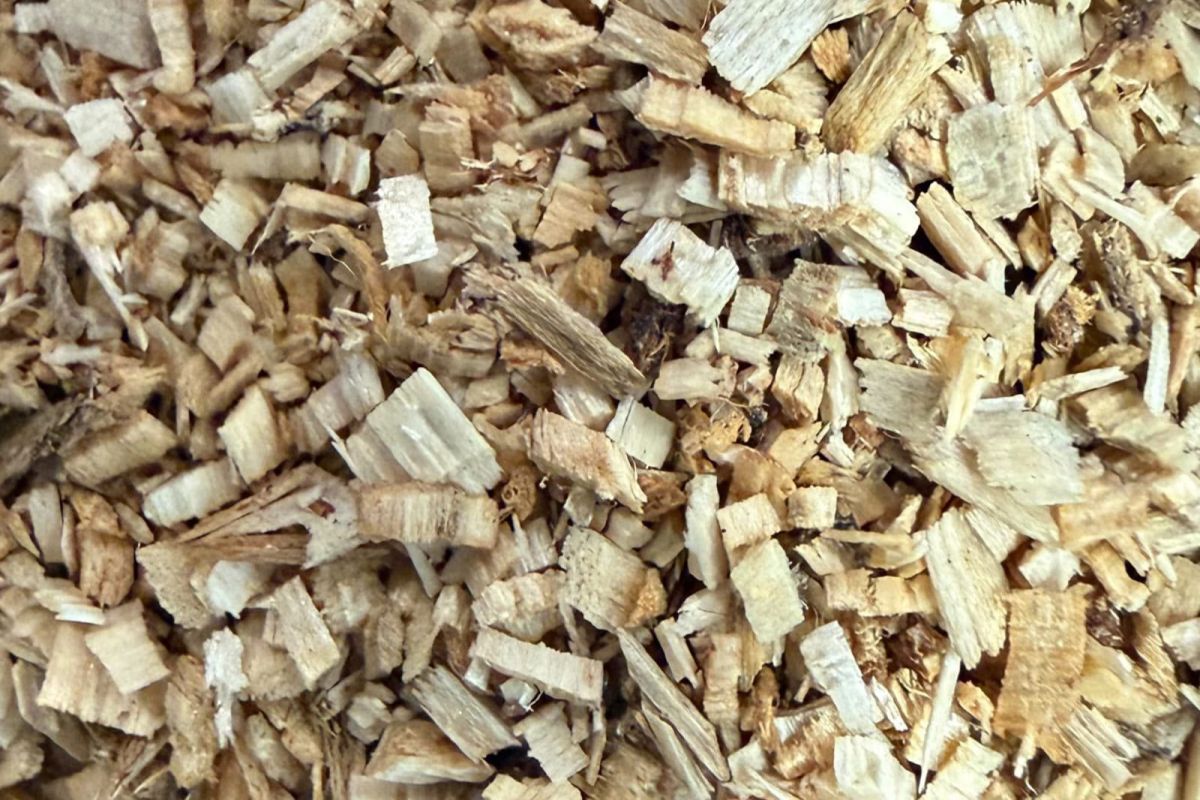
PT PLN Energi Primer Indonesia (PLN EPI) has stated that the utilisation of 10 million tonnes of biomass could create opportunities for approximately 150,000 new green jobs.
Speaking in Jakarta on Monday, PLN EPI Director of Biomass, Hokkop Situng Cap, noted that these jobs would be distributed throughout the biomass supply chain, ranging from raw material provision and collection to processing, transportation, and use as power plant fuel. “The green jobs created from just 10 million tonnes could reach around 150,000 new positions,” he said during the West Java Leader Fest.
In addition to job creation, the use of 10 million tonnes of biomass is projected to contribute to an emission reduction of approximately 12 million tonnes of CO2e. According to Hokkop, developing this ecosystem provides opportunities for local communities to participate directly in the energy supply chain, including farmers, cooperatives, village-owned enterprises (BUMDes), entrepreneurs, aggregators, and logistics providers.
Hokkop explained that Indonesia possesses vast and diverse biomass resources, including wood, agricultural residues, rice husks, and various other biological sources. According to PLN EPI’s mapping, current biomass utilisation stands at approximately 30.7 million tonnes, while the unutilised biomass potential is estimated at around 60.6 million tonnes. However, this unutilised potential remains indicative and must consider technical, economic, and accessibility aspects, as well as the readiness of the upstream-to-downstream supply chain.
PLN EPI continues to strengthen this ecosystem. Throughout the 2023-2026 period, the company has realised the provision of 4.77 million tonnes of biomass. Currently, the supply for co-firing needs is still dominated by wood-based biomass, accounting for more than 77 per cent. The development of bioenergy is also being expanded through various products, including biomass, biochar, syngas, biohydrogen, compressed biogas (CBG), biofuel, and bioethanol. Its use is directed towards supporting co-firing, replacing diesel fuel in power plants, meeting industrial needs, and developing sustainable fuels.
These green job opportunities align with the expansion of renewable energy in the 2025-2034 Electricity Supply Business Plan (RUPTL). Under the ARED scenario, PLN plans to add 12.22 gigawatts (GW) of renewable energy capacity during the 2025-2029 period, representing 44 per cent of the total 27.9 GW capacity addition. This additional capacity consists of 5.91 GW of solar power, 3.20 GW of hydropower, 1.55 GW of wind power, 0.95 GW of geothermal, and 0.61 GW of bioenergy, aiming for a renewable energy mix of 19.7 per cent by 2029.
Hokkop believes the younger generation should capitalise on these vast opportunities, not only as employees but also by building businesses within the renewable energy industry. “Young people can be the workforce, the players, the aggregators, and more,” said Hokkop.
One bioenergy development being pushed by PLN EPI is the implementation of biomass co-firing in coal-fired power plants (PLTU). There are 52 coal plant locations with a total installed capacity of 18,154 megawatts (MW) that have the potential for co-firing, with a biomass requirement estimated at around 9 million tonnes per year. This programme is part of the 2030 Enhanced Nationally Determined Contribution (ENDC) targets for the energy sector, using biomass co-firing as an effort to support greenhouse gas emission reductions.
Hokkop emphasised that the energy transition does not only bring changes to energy sources but also creates new economic spaces and professions. Therefore, the younger generation has the opportunity to play a role from upstream to downstream, whether as professionals, innovators, entrepreneurs, or aggregators in the clean energy ecosystem. “The energy transition is not just about replacing energy sources and lowering emissions. Within it, there are economic opportunities, new jobs, and space for the younger generation to become the primary actors in the future of Indonesia’s energy,” concluded Hokkop.
Source: jawawa.id (https://jawawa.id/newsitem/pln-epi-states-biomass-could-create-150-000-green-jobs-1790593960)
Originally published by Antara (Indonesian) (https://www.antaranews.com/berita/5761847/pln-epi-sebut-biomassa-membuka-peluang-150-ribu-lapangan-kerja-hijau), translated from Indonesian