
PLN EPI Pushes to Strengthen Biomass Ecosystem and Accelerate Energy Transition
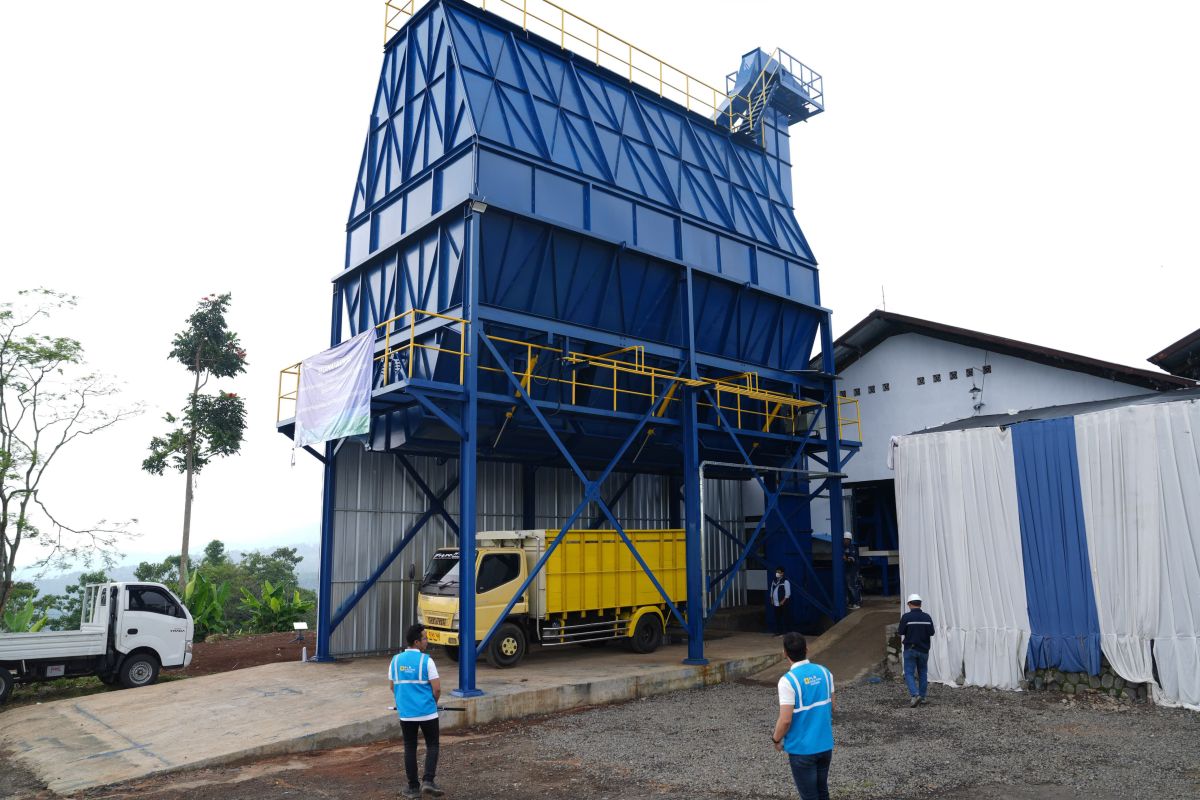
Jakarta (ANTARA) – PT PLN Energi Primer Indonesia (PLN EPI) is working to strengthen the biomass ecosystem to accelerate the national energy transition.
PLN EPI Biomass Director Hokkop Situngkir said in a statement in Jakarta on Monday that the company was optimising Indonesia’s estimated 83.4 million tonnes of annual biomass potential by developing supply chains and diversifying bioenergy products.
“This strategy is part of efforts to strengthen energy security while supporting the transition to low-carbon energy,” he said at the “Biomass, Biochar, Biogas & SAF Asia Summit 2026 Indonesia Focus”.
Hokkop said PLN EPI was developing biomass for co-firing at coal-fired power plants (PLTUs) and expanding its portfolio to include biochar, syngas, compressed biomethane gas (CBG) and biohydrogen.
The diversification is intended to increase the added value of domestic resources while creating new business opportunities in the energy sector.
“Indonesia has substantial bioenergy potential and demand. We therefore need to broaden collaboration to develop production facilities and build an ecosystem capable of supplying biomass to power plants. And even when market demand does not yet exist, we have an opportunity to create it,” Hokkop said.
According to PLN EPI’s mapping, the 83.4 million tonnes of annual biomass potential comes from various sources, including palm oil residues, wood waste, rice husks, agricultural residues and agro-industrial waste.
The largest potential is in Sumatra, at around 42.8 million tonnes a year, followed by Kalimantan with 18.9 million tonnes and Java with 13.1 million tonnes. The remaining potential is spread across Sulawesi, Papua and Maluku, as well as Bali and Nusa Tenggara.
As of July 2026, biomass use through the PLN Group’s co-firing programme had reached 52 coal-fired power plants.
The programme is one measure to gradually reduce coal use by replacing some of the fuel with biomass, while also helping to cut emissions in the electricity sector.
Meanwhile, the development of syngas, CBG, biochar and biohydrogen offers opportunities to turn biomass into higher-value energy products. These include the potential use of hydrogen in industry and development of a sustainable aviation fuel (SAF) ecosystem.
Co-operatives, farmers, village-owned enterprises (BUMDes) and micro, small and medium-sized enterprises can participate in the value chain by supplying raw materials, collecting residues, processing them and distributing products.
Under this model, biomass would not only serve as an energy source but could also generate economic activity and increase the value of local resources.
Hokkop added that through an integrated bioenergy ecosystem, PLN EPI was seeking to ensure biomass did not remain a residue but was transformed into a source of energy and new economic value.
“From local potential to national energy, from waste to added value, and from collaboration to concrete steps towards Indonesia’s energy security and transition,” he said.
Source: jawawa.id (https://jawawa.id/newsitem/pln-epi-pushes-to-strengthen-biomass-ecosystem-and-accelerate-energy-transition-1793627593)
Originally published by Antara (Indonesian) (https://www.antaranews.com/berita/5827307/pln-epi-dorong-penguatan-ekosistem-biomassa-percepat-transisi-energi), translated from Indonesian