
PLN EPI pushes bioenergy as engine for national energy diversification
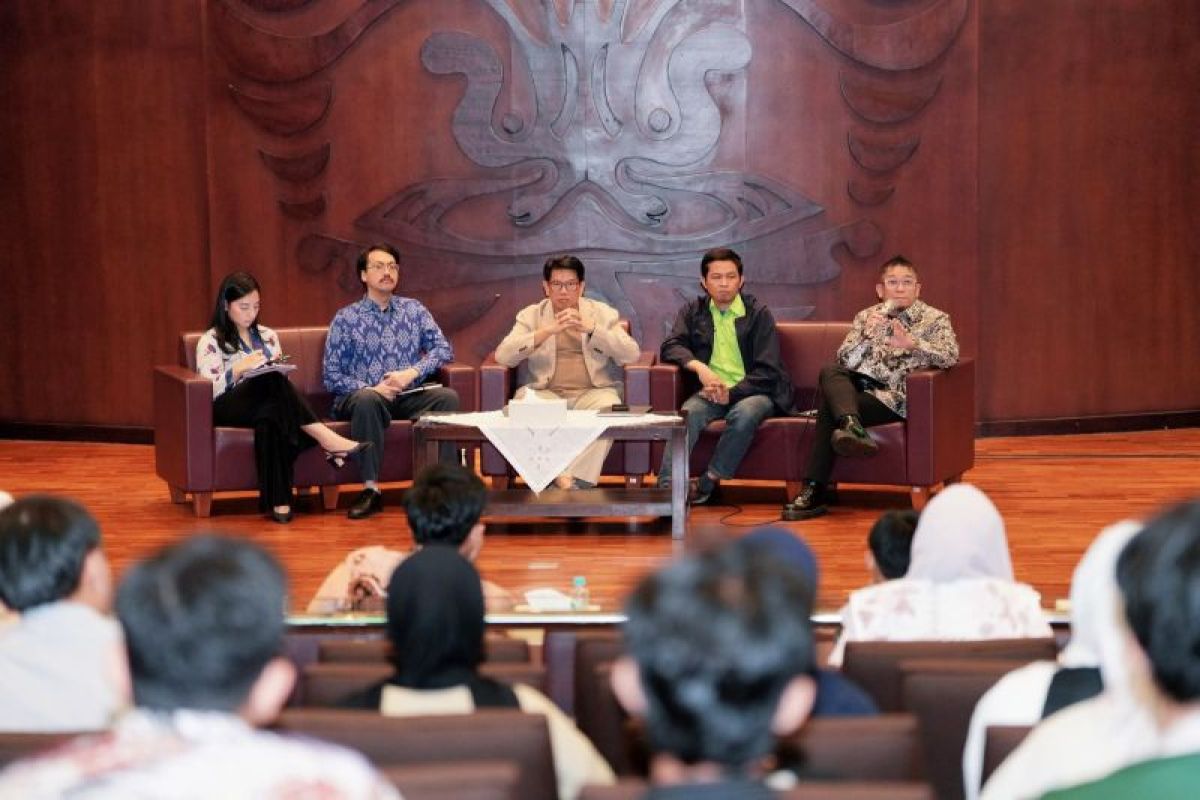
PT PLN Energi Primer Indonesia (PLN EPI) is promoting the use of bioenergy as a primary engine for energy diversification to accelerate the transition towards cleaner energy and maintain national security. PLN EPI Biomass Director Hokkop Situngkir stated that through the optimisation of biomass, biochar, compressed biomethane gas (CBG), and the processing of waste into alternative fuels, the company is encouraging the utilisation of domestic energy resources to reduce dependence on fossil energy. According to him, the main challenge is no longer the availability of resources, but rather how to build strong collaboration among stakeholders so that the abundant potential can be utilised optimally. “There must be courage from us to collaborate, between PLN, investment partners, local partners, the government, regulators, academics, and the business community so that bioenergy development can run more quickly and sustainably,” Hokkop said while speaking at a seminar titled “ReEnergize Summit 2026: Pentahelix Talks x IETD 2026 Goes to Campus” at the University of Indonesia campus in Depok, West Java. He explained that as the PLN subholding responsible for providing primary energy for all PLN Group power plants, PLN EPI not only ensures the reliability of coal and gas supplies but also continues to expand its primary energy portfolio based on new and renewable energy, particularly bioenergy. According to Hokkop, PLN has gradually begun transforming the generation sector towards cleaner energy. Currently, almost all diesel power plants utilise B40 biodiesel, while coal-fired power plants have started implementing biomass as a co-firing fuel to reduce coal consumption. In addition to biomass, PLN EPI is also developing various other bioenergy products, such as CBG derived from organic and liquid waste for use in gas-based power plants, biochar, refuse-derived fuel (RDF) from municipal waste, biofuel, and bioethanol as part of the electricity sector’s decarbonisation strategy. “Our target is to utilise various alternative energy sources beyond fossil energy. Currently, we are indeed in a transition period towards cleaner energy. Therefore, energy diversification is an important step to maintain the reliability of electricity supply while supporting the achievement of national emission reduction targets,” he said. PLN EPI noted that Indonesia has a biomass potential of approximately 83.4 million tonnes per year spread across Sumatra, Kalimantan, and Java. This potential comes from plantation, agricultural, and forestry waste, as well as municipal waste, which can be utilised as a renewable energy source while providing economic added value for the community. In the 2025-2029 Electricity Supply Business Plan (RUPTL), bioenergy is targeted to contribute an additional generation capacity of 0.61 gigawatts (GW) through co-firing programmes, biomass power plants, and biogas. Meanwhile, renewable energy development up to 2034 is projected to require investment of around Rp1,682 trillion, which is expected to drive green economic growth and accelerate the transformation of the national energy sector. Despite the significant potential, Hokkop assessed that the acceleration of renewable energy development still faces a number of challenges, especially the need for high investment in the construction of electricity transmission and distribution networks. Unlike fossil fuel-based power plants whose fuel can be distributed to various locations, renewable energy plants must be built close to their energy sources, thus requiring adequate infrastructure support. Therefore, according to Hokkop, the energy transition process must be carried out gradually while maintaining the reliability of the electricity system and the affordability of electricity costs for the public. “The energy transition must be a solution, not a burden. What we are pushing for is a gradual transition process towards cleaner energy, while maintaining the reliability of electricity supply, tariff affordability, and national economic competitiveness,” he said. Through collaboration among all stakeholders, Hokkop added, PLN EPI is optimistic that bioenergy can become an important pillar in strengthening national energy security while accelerating the realisation of a sustainable Indonesian energy system.