
PLN EPI Projects Primary Energy Demand to Grow Five Per Cent Per Year
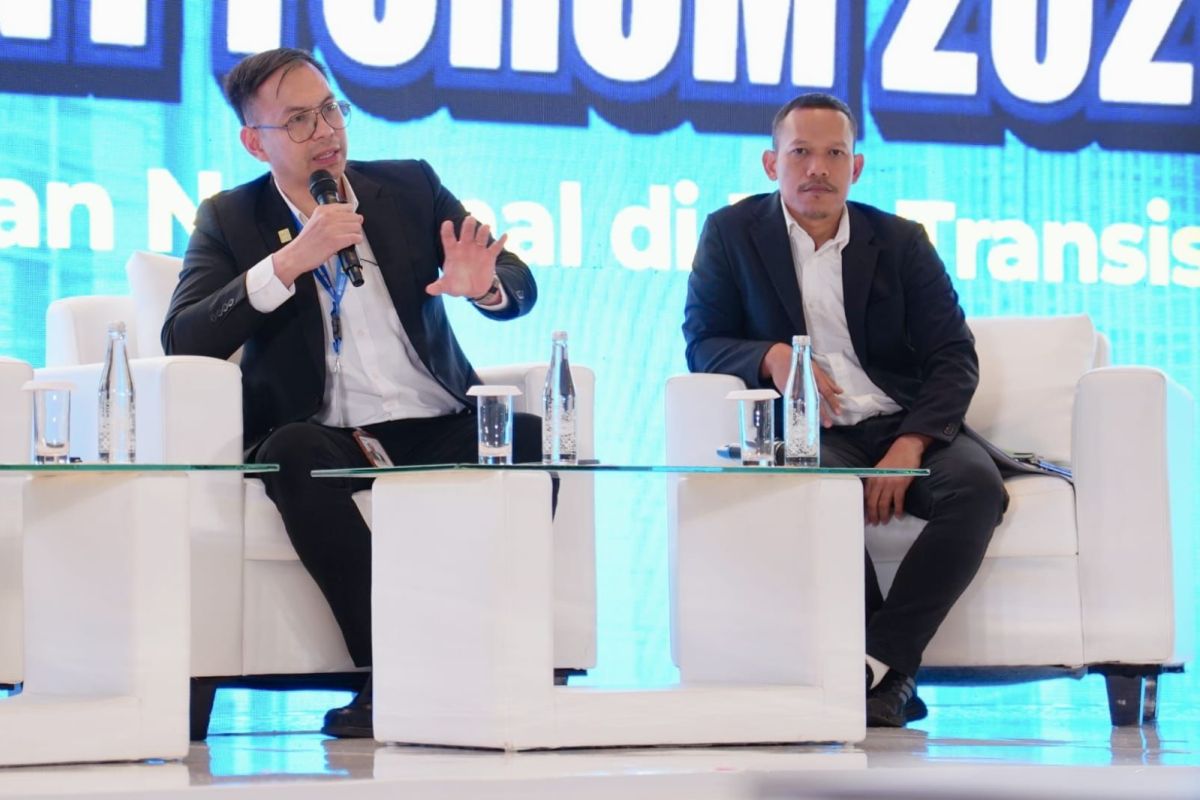
PLN EPI operates in the primary energy sector. We ensure a sustained and reliable supply of fuels to power plants. Jakarta — PT PLN Energi Primer Indonesia (EPI) projects that primary energy demand for electricity generation through to 2035 will grow at an average rate of five per cent per year. Head of the Corporate Planning, Prime Energy Management PLN EPI Anggoro Wisaksono, in a statement quoted in Jakarta on Thursday, said that coal would remain the largest component in the primary energy mix for electricity generation. Meanwhile, natural gas will play an important role as a transition energy to support plant flexibility amid rising supplies of new and renewable energy (EBT). Anggoro stated that PLN EPI has prepared a broad strategy to strengthen national primary energy supply in the face of growing electricity demand and the national energy transition. “One of which is through the development of national gas infrastructure within Indonesia’s power system,” he said as a speaker at the Himpunan Pengusaha Muda Indonesia (HIPMI) Power Development Forum 2026 in Jakarta, on Wednesday (20 May 2026). Anggoro said national electricity planning must be conducted comprehensively from the demand side, generation, transmission, distribution, to primary energy. “PLN EPI operates in the primary energy sector. We ensure a sustained and reliable supply of fuels to power plants,” he said. According to him, projections of electricity demand form the starting point for the planning of the electricity business, as they determine the need for plant capacity, the grid, and primary energy supply. Meanwhile, primary energy becomes a key factor in ensuring that power plants have secure, competitive, and sustainable fuel supplies. Anggoro emphasised that coal and gas will continue to form the backbone of system reliability during the energy transition. “Coal and gas will continue to play a role in maintaining system reliability during the transition, particularly in ensuring system stability,” he said. In addition, PLN EPI is expanding the use of biomass through a co-firing scheme at coal-fired plants (PLTU). According to Anggoro, this move opens opportunities for domestic businesses to enter the biomass supply chain. “In addition to coal and gas, biomass will come later. This is also an opportunity for young entrepreneurs,” he said. In terms of infrastructure, PLN EPI is preparing to develop various national midstream gas projects spread from Sumatra to Papua. The infrastructure includes the construction of FSRUs, LNG carriers, ORUs, and gasification projects in various regions. Some of the strategic projects include FSRU West Java 1 and 2, FSRU East Java, FSRU Bali, and FSRU Cilegon. Total regasification capacity planned amounts to 3,850 MMSCFD with LNG storage capacity of 1.2 million cubic metres. According to Anggoro, developing gas infrastructure is important because Indonesia is an archipelagic country with many isolated electricity systems. “We are an archipelagic country, with many isolated systems across the small and large islands. This presents its own challenges,” he said. Anggoro also touched on the impact of global geopolitical tensions, including the situation in the Hormuz Strait, the Middle East, on the national energy sector. He assured that PLN EPI’s primary energy supply remains secure. For gas, PLN EPI relies on a combination of domestic production and global partnerships. According to Anggoro, collaboration with global partners is essential because part of domestic gas production remains tied to long-term export contracts. “We cannot work alone. Collaboration with global partners is essential,” he said. Also present were Dedy Marsetioadi, Vice President, Business Development Generation I PLN Nusantara Power, and Hery Affandi, Vice President of Business Development PLN Nusa Daya.