
PLN EPI optimises biomass as an energy source and driver of economic growth
Jakarta (ANTARA) – PT PLN Energi Primer Indonesia (PLN EPI) is optimising the use of biomass as a renewable energy source, while also seeking to make it a driver of local economic growth.
PLN EPI Biomass Director Hokkop Situngkir said the company was strengthening Indonesia’s biomass ecosystem by optimising domestic resources, integrating supply chains and diversifying bioenergy products to support energy sovereignty and accelerate the country’s energy transition.
“By developing an integrated ecosystem from upstream to downstream, we are promoting biomass as a sustainable energy source and a driver of local economic growth,” he said during a discussion at the 11th International Conference on Biomass and Bioenergy (ICBB) 2026 at IPB University in Bogor, West Java.
Hokkop said Indonesia had an estimated biomass potential of 83.4 million tonnes a year. This represents a strategic opportunity to reduce reliance on fossil fuels and strengthen energy self-sufficiency based on domestic resources.
“The challenge is not only how to use this potential as an energy source, but also how to build an ecosystem that can ensure a sustainable supply, quality and economic viability. With a strong ecosystem, biomass can become one of the key pillars of national energy sovereignty,” he said.
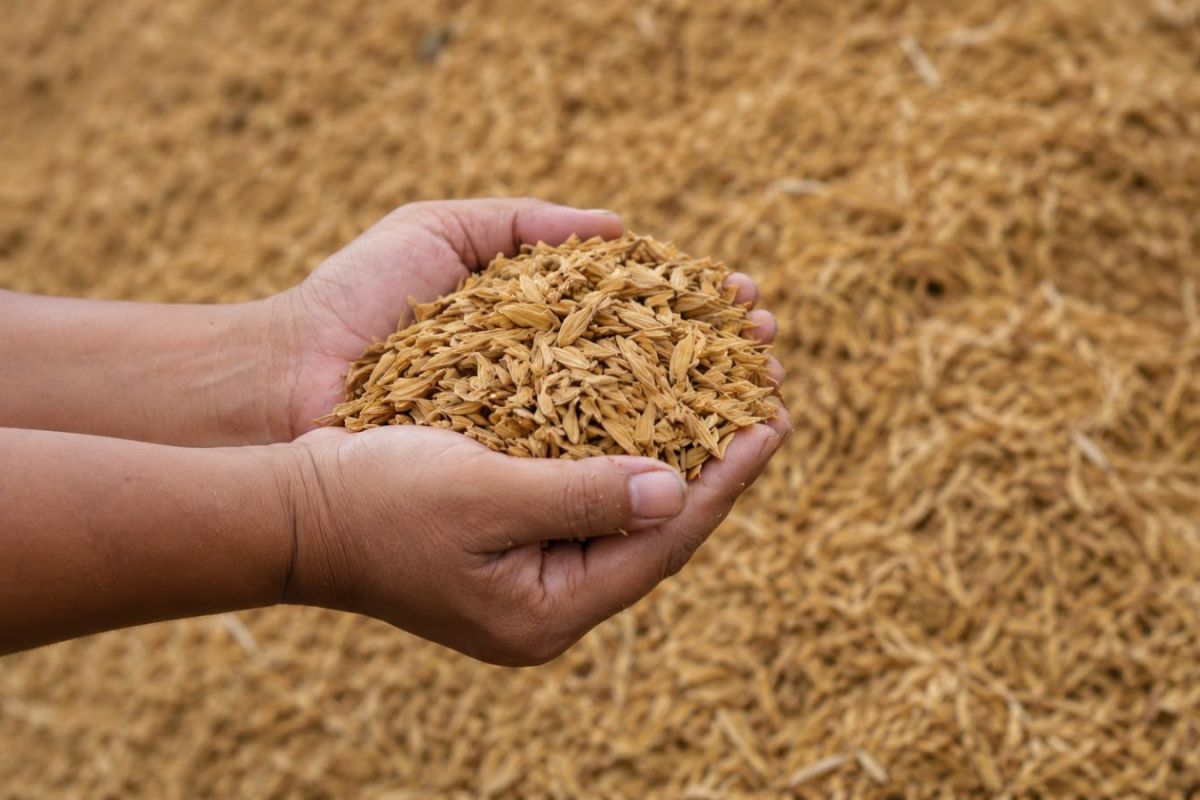
Indonesia’s biomass resources include oil palm plantation residues, rice husks and straw, wood waste, corn cobs and coconut waste.
However, Hokkop said challenges remained, including variations in feedstock characteristics and quality, economic viability, access to biomass sources, and limited processing and distribution infrastructure.
To address these issues, PLN EPI is developing an integrated biomass supply chain using sub-hub, hub and main-hub facilities. The model is designed to strengthen the collection and processing of raw materials, quality control, storage and distribution to power plants and industrial users.
“Developing infrastructure and logistics systems is key to bridging the gap between the large biomass potential and energy needs. By integrating the supply chain, we want to ensure biomass is available in sufficient quantities, meets quality standards, is competitively priced and can be supplied sustainably,” Hokkop said.
The company is also strengthening the ecosystem through collaboration with local governments, regionally owned enterprises, cooperatives, farmer groups, village-owned enterprises (BUMDes) and private-sector partners. The partnerships are intended to create an inclusive supply chain and generate new economic value in areas where feedstock is produced.
On the demand side, co-firing — the partial replacement of coal with biomass at coal-fired power plants — had been implemented at 52 plants by November 2026, using 18 types of biomass. PLN EPI recorded 2.02 million tonnes of biomass used for the programme by that date.
The programme also supports efforts to cut greenhouse gas emissions, with estimated reductions of 2.28 million tonnes of CO2 equivalent a year.
Hokkop said developing the biomass ecosystem also offered an opportunity to strengthen the grassroots economy. Involving farmers, cooperatives, BUMDes and micro, small and medium-sized enterprises in the supply chain could create new sources of income by using agricultural and plantation residues, as well as industrial waste that had previously had little economic value.
He said biomass development should deliver sustainable benefits in terms of energy supply security, emissions reductions and improved community welfare. This approach, he added, could meet national energy needs while strengthening the circular economy and fostering green industries across the country.
“Energy sovereignty is built not only through the availability of resources, but also through the nation’s ability to manage them and create added value from its potential. By strengthening the biomass ecosystem from upstream to downstream, PLN EPI wants to ensure the energy transition goes hand in hand with economic growth for communities. This is biomass’s tangible contribution to strengthening national energy self-sufficiency and supporting the achievement of net-zero emissions targets,” Hokkop said.
Source: jawawa.id (https://jawawa.id/newsitem/pln-epi-optimises-biomass-as-an-energy-source-and-driver-of-economic-growth-1795676019)
Originally published by Antara (Indonesian) (https://www.antaranews.com/berita/5879635/pln-epi-optimalkan-biomassa-jadi-sumber-energi-dan-penggerak-ekonomi), translated from Indonesian