
PLN EPI Invites Regional Businesses to Turn Waste into Economic Value
Jakarta (ANTARA) – PT PLN Energi Primer Indonesia (PLN EPI) is inviting regional businesses to manage waste and turn it into products with economic value, while strengthening the biomass supply chain.
PLN EPI Biomass Director Hokkop Situngkir said in a statement in Jakarta on Saturday that bioenergy development is creating new business opportunities for regional entrepreneurs, particularly in building biomass supply chains from raw material sources to power plants.
“We are encouraging local businesses to process waste and rubbish into fuel with economic value,” Hokkop said at a regional working meeting of the West Java chapter of the Indonesian Indigenous Entrepreneurs Association (HIPPI) in Bekasi, West Java.
He said demand for biomass to support co-firing at PLN power plants was substantial. A total of 52 coal-fired power plant sites, with combined installed capacity of 18,154 megawatts (MW), require around nine million tonnes of biomass each year.
“So this business should involve as many local entrepreneurs as possible,” Hokkop said.
He explained that biomass supply chains could be developed through various models, from collecting and processing raw materials to storing and delivering them to power plants. Under PLN EPI’s proposed scheme, businesses could operate as sub-hubs, hubs or main hubs.
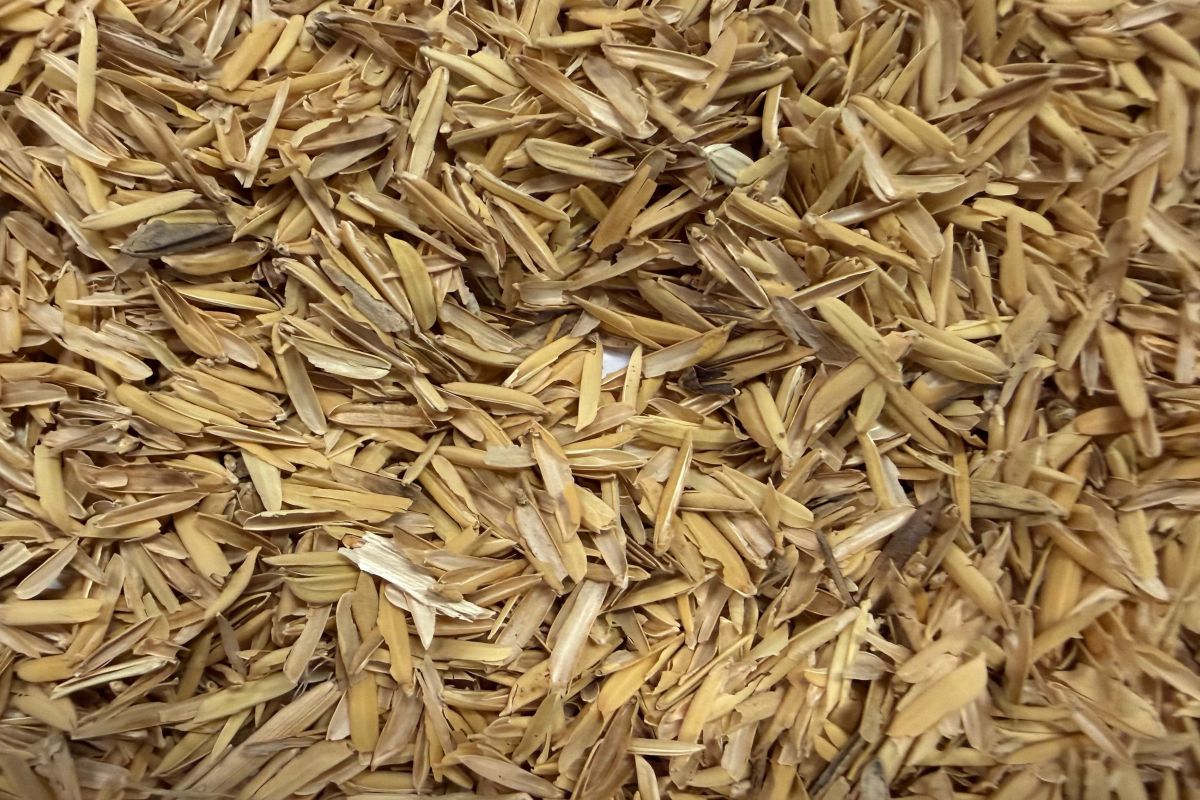
Potential feedstocks include sawdust, timber offcuts, rice husks, corn cobs, cassava stalks and other waste. Cooperatives, village-owned enterprises (BUMDes), farmer groups and private-sector partners could all take part in the supply chain.
“This is not just for large companies: cooperatives, BUMDes, micro, small and medium-sized enterprises (MSMEs), and regional entrepreneurs can all join this ecosystem,” Hokkop said.
From 2023 to 2026, PLN EPI recorded biomass supply of 4.77 million tonnes. However, more than 77 per cent of that supply was still wood-based, highlighting the opportunity to diversify feedstocks, particularly by making better use of agricultural and plantation residues, as well as waste that has so far been underused.
In West Java, one potential project identified by PLN EPI is processing waste from the Gedebage waste transfer station (TPS) into solid recovered fuel (BBJP). The product could serve as an alternative co-firing fuel and be supplied to several coal-fired power plants.
PLN EPI’s mapping puts the distance from Gedebage TPS at around 150 kilometres to Indramayu power plant, 170 kilometres to Pelabuhan Ratu, 185 kilometres to Adipala and 240 kilometres to Lontar.
Distance is an important factor in developing an efficient supply chain, as logistics costs affect the economic viability of biomass.
Hokkop added that by developing a more inclusive biomass supply chain, PLN EPI aims to turn waste that was previously an environmental burden into an energy source and a new source of income for communities.
Collaboration with regional businesses, cooperatives, BUMDes, MSMEs and farmer groups is expected to build a bioenergy ecosystem rooted in local resources and return benefits to the regions.
The energy transition, he said, is not only about replacing fossil fuels with more sustainable energy, but also about creating new economic supply chains.
“From waste to energy, from regional potential to business opportunities, and from community participation to sustainable economic self-reliance,” Hokkop said.
Source: jawawa.id (https://jawawa.id/newsitem/pln-epi-invites-regional-businesses-to-turn-waste-into-economic-value-1791640310)
Originally published by Antara (Indonesian) (https://www.antaranews.com/berita/5780152/pln-epi-ajak-pengusaha-daerah-kelola-sampah-jadi-bernilai-ekonomis), translated from Indonesian