
PLN EPI integrates bioenergy with agricultural sector empowerment
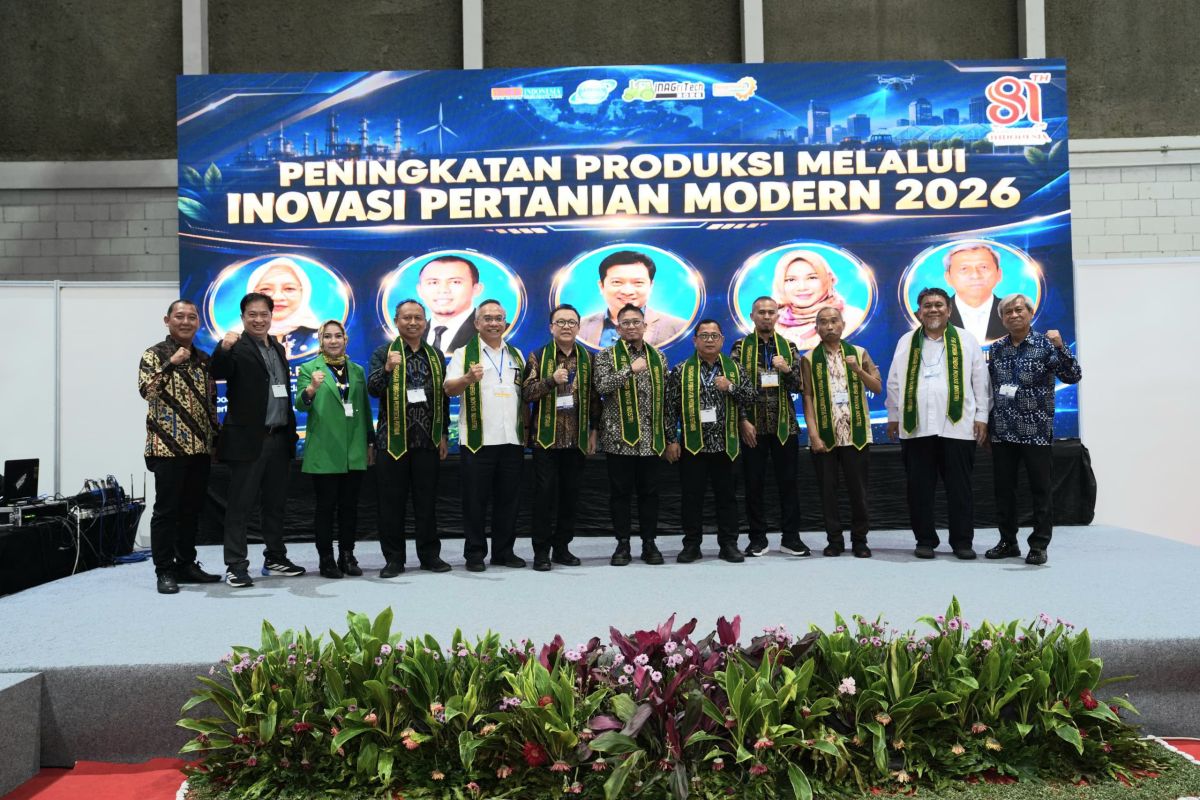
PT PLN Energi Primer Indonesia (PLN EPI) is integrating the development of bioenergy as fuel for power plants with the empowerment of the agricultural sector.
PLN EPI Corporate Secretary Mamit Setiawan said in a statement in Jakarta on Saturday that the agricultural sector not only plays a role in maintaining food security, but is also capable of becoming an important part of strengthening national energy security.
“Through the utilisation of agricultural waste and residues, PLN EPI continues to build a biomass ecosystem that provides added value for the community, strengthens the primary energy supply chain, while supporting the acceleration of the transition towards cleaner and more sustainable energy,” he said.
According to Mamit, for this achievement, PLN EPI Biomass Director Hokkop Situngkir received an award at the Forum Sinergi Inovasi Industri (FSII) Innovation Award 2026, which is part of The 12th Inagritech 2026-Indonesia International Agriculture Technology Expo.
“The award received by PLN EPI’s Biomass Director is a form of appreciation for his leadership in integrating bioenergy development with agricultural sector empowerment,” he said.
According to Mamit, the success of biomass development is also inseparable from the collaboration of various parties.
Synergy between the government, businesses, academics, associations, and the community is an important foundation in creating innovations that can be implemented sustainably in the field.
“Going forward, PLN EPI will continue to strengthen partnerships with farmers, farmer groups, local governments, and business actors so that biomass is not only a renewable energy solution, but is also able to improve community welfare while strengthening national energy security,” said Mamit.
He explained that through agricultural waste as biomass fuel for the PLTU co-firing programme, PLN EPI continues to present solutions that connect the agricultural and energy sectors in a mutually reinforcing value chain.
Thus, biomass is not only an instrument for accelerating the energy transition towards net zero emissions (NZE), but also a driver of agricultural productivity, a creator of added value for the community, and a foundation for sustainable national energy security.
Mamit added that PLN EPI will continue to strengthen the national biomass ecosystem through the development of an integrated supply chain from upstream to downstream.
The company is building partnerships with farmers, farmer groups, business entities, local governments, and various stakeholders to increase production, quality, and sustainability of biomass supply.
“This approach not only supports the need for co-firing fuel in PLTUs, but also opens new markets for agricultural by-products that have not been optimally utilised, thereby increasing community income and strengthening the circular economy in the agricultural sector,” said Mamit.