
PLN EPI expands biomass utilisation to accelerate energy transition
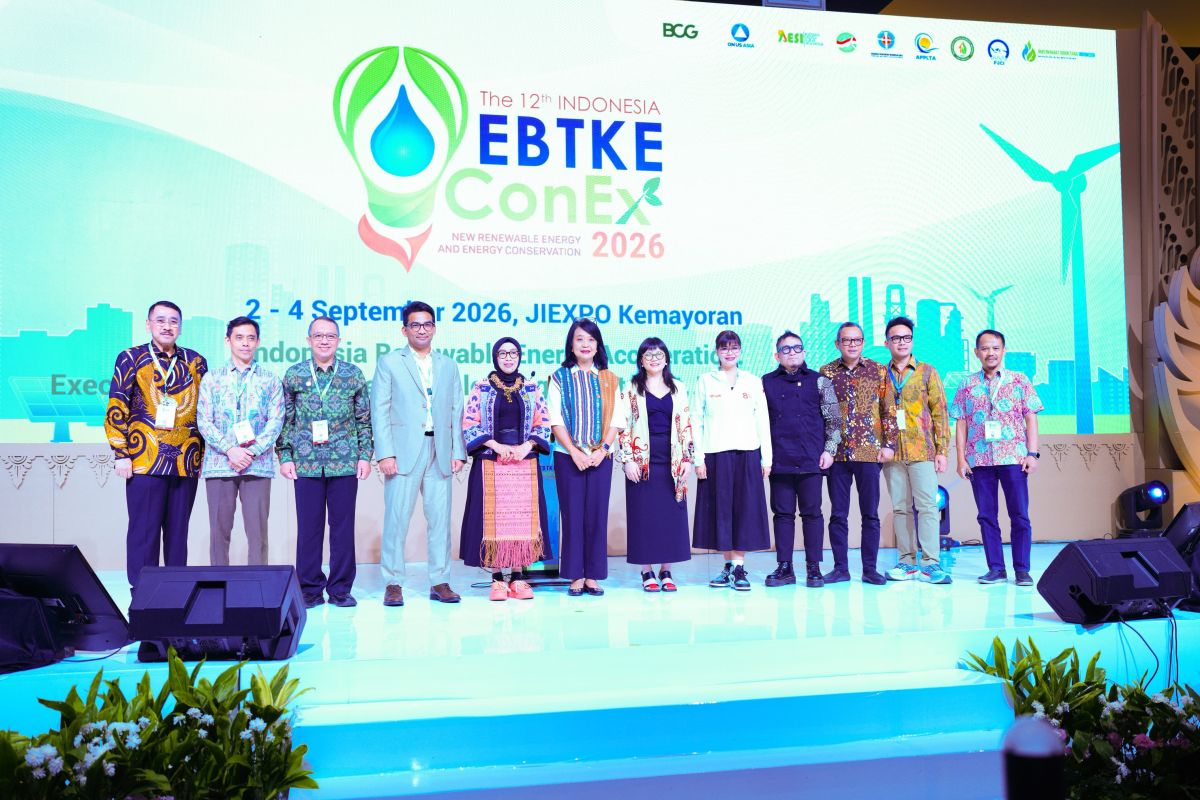
PT PLN Energi Primer Indonesia (PLN EPI) is expanding the utilisation of biomass, not only as fuel for power plants but also as raw material for the development of compressed biomethane gas (bio-CNG) and green hydrogen to accelerate the energy transition.
In a statement in Jakarta on Tuesday, PLN EPI’s Director of Biomass, Hokkop Situngkir, stated that biomass development is part of the PLN Group’s strategy to increase the use of renewable energy while building a broader bioenergy value chain.
“Essentially, the concept is power plant co-firing. We collect and gather our biological materials, and then we deploy them to our power plants,” he said.
According to him, coal-fired power plants (PLTU) are among the most prepared facilities to utilise biomass because the fuel characteristics can be processed to partially replace coal usage.
However, the use of biomass does not stop at coal substitution; it continues to be developed into various renewable energy products.
“The struggle is still long until 2030. We have already scheduled the utilisation of biomass within PLN,” said Hokkop.
One such development was realised through the signing of a memorandum of understanding between PLN EPI, PT Gagas Energi Indonesia (PGN Gagas), and PT Kis Biofuels Indonesia regarding the development of bio-CNG and/or biomass-based gas.
This collaboration utilises organic waste, such as palm oil mill effluent (POME) and livestock waste, as raw materials to produce biomethane, which is subsequently processed into bio-CNG. Within this ecosystem, PGN Gagas serves as the off-taker for the bio-CNG product.
The signing was conducted by PLN EPI Director of Biomass Hokkop Situngkir, Santiaji Gunawan as President Director of PGN Gagas, and KR Ragunath Kandikeri as Director of PT Kis Biofuels Indonesia.
“We take the methane, then we create the reactors and everything. Naturally, through cooperation with technology providers, we can then transact with PT Gagas,” said Hokkop.
In addition to bio-CNG, PLN EPI is also encouraging biomass development as part of the green hydrogen ecosystem. PLN EPI signed a Memorandum of Understanding on the Development of a Biomass-Based Green Hydrogen Ecosystem in Indonesia with CISRI HY&POR Technology Co Ltd and PT Pupuk Kujang Cikampek.
Hokkop explained that this development utilises biomass processing to produce gas that can further be developed into a hydrogen source. “We know that once biomass is gasified, hydrogen is released. That is captured and will be used by Pupuk Kujang as an off-taker,” he noted.
Hokkop assessed that the presence of off-takers is a crucial factor to ensure that bioenergy development does not stop at the production stage but is able to build a sustainable industrial ecosystem.
“Our hope is that these two collaborations can expand bioenergy and accelerate the ambitions set out in the Ministry of Energy and Mineral Resources (ESDM) regulations and also internally within the PLN Group,” he said.
Currently, PLN EPI continues to develop the use of biomass from various agricultural residues, plantations, and organic waste as part of national primary energy diversification. In addition to supporting co-firing programmes in PLN power plants, biomass is also being directed to become raw material for various low-carbon energy products with higher added value.
Through the development of bio-CNG and green hydrogen, PLN EPI is not only expanding the use of biomass as a renewable energy source but also building an integrated bioenergy ecosystem from upstream to downstream. “This step is expected to increase the added value of national biomass, strengthen energy security, and accelerate the transition towards a cleaner and more sustainable energy system,” explained Hokkop.